

Professional squatters are allegedly using fake leases, forged property records and legal loopholes to seize homes across Los Angeles, leaving some homeowners trapped in expensive court fights while investigators warn the problem has grown into a serious public safety concern.
Retired LAPD detective supervisor Moses Castillo and veteran private investigator Michael Youssef say the most troubling cases are no longer simple landlord-tenant disputes. Instead, they can involve fraud, identity theft, forged deeds, narcotics activity, gang ties and demands for money before occupants agree to leave.
Both men believe Los Angeles needs a dedicated anti-squatter task force to separate legitimate housing disputes from criminal schemes before homeowners lose months, savings and peace of mind.
Experts Warn Squatter Schemes Are Getting More Sophisticated
Castillo said a task force is “way overdue,” arguing that California’s current system too often leaves lawful property owners fighting uphill battles against people who know exactly how to exploit the rules.
“These professional squatters know how to work the system,” Castillo said. “They know how to cause the worst nightmare for a property owner.”
For homeowners, that nightmare can mean paying the mortgage, taxes, insurance, legal fees and repair costs while strangers occupy the property.
“It impacts their health, their stress levels, and their finances,” he said. “They’re literally losing money while somebody else is taking over their property.”
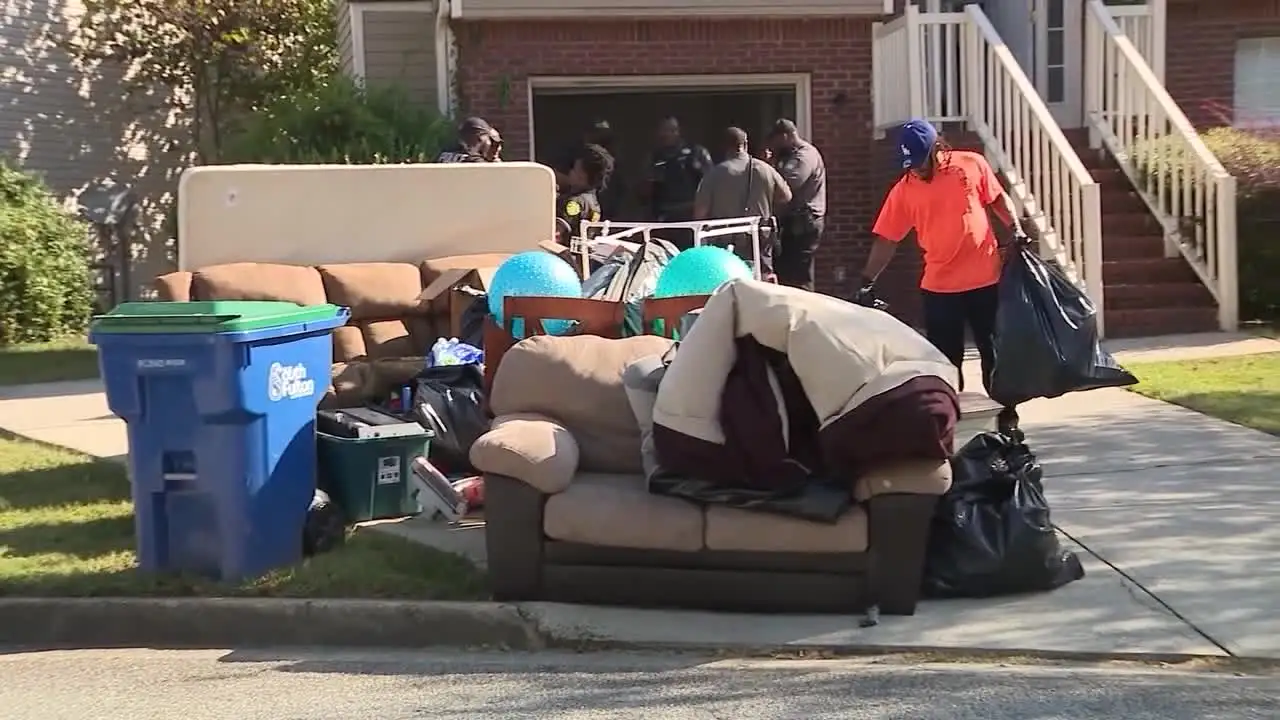
When A Break-In Becomes A Court Battle
One of Castillo’s biggest complaints is that too many squatter reports get pushed into civil court, even when the alleged facts look more like criminal conduct.
“When somebody breaks locks, breaks windows, gains access to a vacant property and then claims residency, that’s not a housing dispute,” Castillo said. “That’s a burglary. You’re breaking and entering to commit a crime. It should be investigated as a crime from the very beginning.”
However, he said officers often tell owners to pursue eviction instead of treating the case as a possible crime.
“But they’re not doing that,” Castillo said. “They’re saying it’s a civil matter, go to the courts and get an eviction. They wash their hands of it and leave the victims, the clients and the landlords hung out to dry.”
Fake Leases, Forged Papers And Homes Held Hostage
Youssef, chief investigator for Blue Systems International, has spent more than three decades investigating property fraud, unlawful occupancy and real estate-related crimes. He said the pattern is often brutally simple, yet devastating.
“They basically hijack the property and they hold it hostage until you pay them off,” Youssef said. “Most landowners describe it as hijacking. Their houses get hijacked.”
“They’re basically holding the house hostage,” he added. “It’s almost like the property is being held for ransom.”
According to Youssef, some squatters now rely on online forums, social media groups and “criminal consultants” who teach them how to claim residency, delay removal and confuse law enforcement.
“They have forums and I call them criminal consultants that actually teach these people how to squat and what to do and how to deal with law enforcement,” Youssef said. “They give you step-by-step what to do and what laws to invoke.”
He said some occupants create a paper trail to make false residency claims appear legitimate.
“They’ll make fake leases. They’ll try to get mail to them so they can prove their residency to law enforcement,” Youssef said. “It’s crazy.”
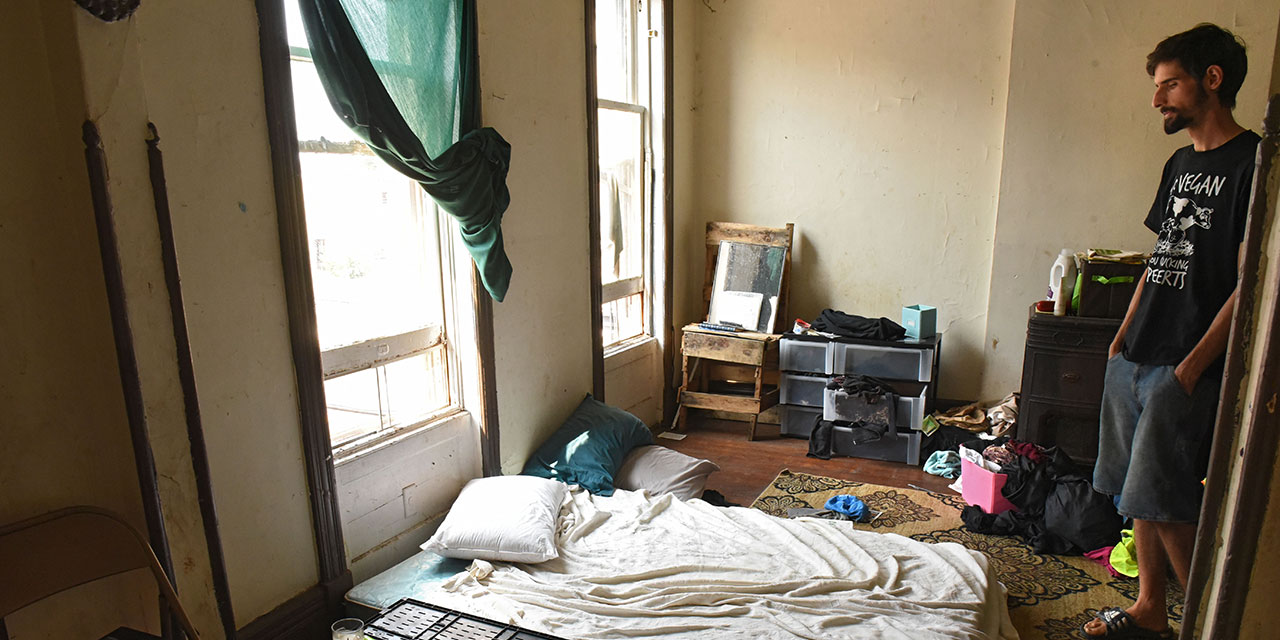
Why Some Squatters Do Not Fear Police
Castillo said professional squatters often understand that officers may hesitate when paperwork appears to suggest a tenant dispute. That gives unlawful occupants confidence.
“They’re not afraid of the police. They’re not afraid of attorneys,” Castillo said. “What they do fear is when a private investigator gets involved because they know somebody is going to start digging into their background and exposing what they’ve been doing.”
That digging, Youssef argued, can reveal whether the person inside the home is truly a tenant or part of a broader scheme.
Long Beach Case Raised Public Safety Concerns
Youssef pointed to one Long Beach case that he said shows how quickly an unlawful occupancy complaint can spiral into something far more dangerous.
According to Youssef, people allegedly tied to documented gang activity occupied a Long Beach residence, attempted to transfer ownership through a fraudulent quitclaim deed and demanded roughly $500,000 to leave.
“They were asking for half a million bucks,” Youssef said. “They fraudulently transferred title to the house.”
Youssef said the homeowner’s wife had died and the homeowner was hospitalized when the alleged scheme unfolded, creating an opening for the occupants to take control.
He alleged the property later became connected to gang activity, drugs, prostitution and violence.
“We had a very aggressive case in Long Beach where a gang was squatting in a house and there was prostitution, selling drugs,” Youssef said. “This nice neighborhood in Long Beach was completely ruined. It went as far as a shooting.”
Investigators helped expose the allegedly fraudulent ownership claims, he said, and the owners eventually regained the property without paying the $500,000 demand.
“It’s very dangerous, not just for the homeowners and landlords, but also dangerous for the communities,” Youssef said. “All of a sudden, your neighbors are criminals.”
Investigators Say Repeat Offenders Move From Home To Home
Youssef argued that some cases should not be viewed through the usual rental-dispute lens. In his view, repeat offenders know the system moves slowly and use that delay as leverage.
“These are simply criminals,” Youssef said. “They go from one property to another property and continue doing it because they know nobody is going to stop them.”
For homeowners, Castillo said, the emotional damage can feel deeply personal. A house is not just a structure. It is often a family’s biggest investment, safest space and most private refuge.
“I’ve heard this described when a victim of a sexual assault gets violated — it’s a huge violation,” Castillo said. “These squatters, it’s like a house rape. It’s horrible to even say that, but that’s what it’s like for these homeowners. Their castle has been taken over.”
Many owners, he said, struggle to enjoy their homes again after squatters damage the property, leave behind destruction or use the space for criminal activity.
The Cost Of Getting A Home Back
The financial hit can be punishing. Castillo said some owners end up paying attorneys, hiring private investigators and agreeing to “cash for keys” settlements just to get unlawful occupants out.
“You want me out? Then pay me $20,000. Pay me $40,000,” Castillo said. “That’s what’s happening.”
Youssef said he has seen far larger demands.
“In the Long Beach case, they were asking for half a million dollars,” he said.
Still, he argued that many cases could look very different if officials conducted deeper fact-finding at the start.
“A simple investigation could reveal who these people are and how they got into the property,” Youssef said.
That means identifying occupants, checking documents, interviewing neighbors and running background checks. In the Long Beach case, Youssef said investigators found one occupant allegedly had an outstanding warrant for battery and assault.
“If they had simply identified him and ran his name, they would have found the warrant,” Youssef said.
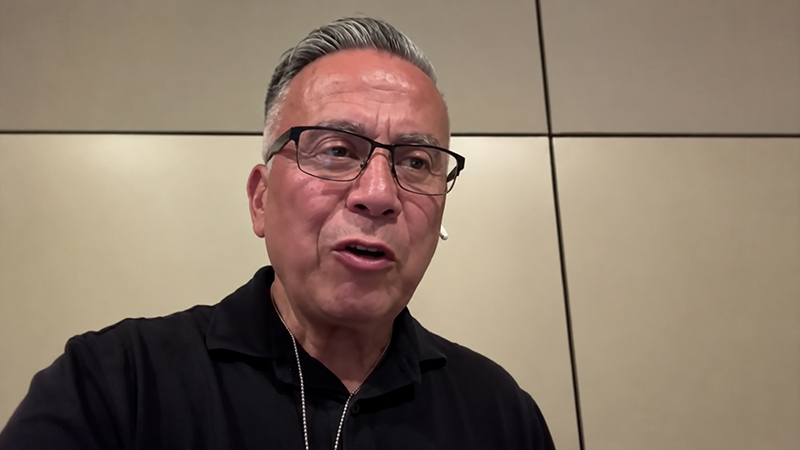
Calls Grow For A Dedicated Anti-Squatter Task Force
Youssef said officers often have to make quick decisions with limited facts, which can lead them to treat a complaint as civil before the deeper details emerge.
“A lot of times law enforcement is going to ask a couple of questions and tell the property owner to evict the person,” Youssef said. “A thorough investigation can reveal what’s really going on.”
Castillo wants Los Angeles officials to create a dedicated anti-squatter task force that would give homeowners, investigators and law enforcement a direct way to flag suspected criminal cases.
“I want to know how people can connect with these detectives or police officers or officials if a task force is created,” Castillo said. “How can we have access to them so they can get some justice and hopefully minimize the harm they’ve already suffered?”
He also believes Los Angeles could set the tone for other cities facing similar complaints.
“I think Los Angeles should create a task force, and other cities throughout this country should follow that lead,” Castillo said. “Property owners are being held hostage in their own homes, and that’s not acceptable.”
Requests for comment were sent to the LAPD, Los Angeles Mayor Karen Bass’ office, the Los Angeles County District Attorney’s Office and the Long Beach Police Department. The LAPD and Long Beach police said they could not confirm the alleged Long Beach case based on the limited information provided. The mayor’s office and district attorney’s office did not immediately respond.
For Youssef, the warning is clear. This is no longer just a paperwork problem. It is a property-rights issue, a financial threat and, in some cases, a neighborhood safety crisis.
“This is a growing crime,” he said. “A task force is really needed right now more than ever.”