

President Donald Trump authorized airstrikes against Islamic State militants in northwest Nigeria on Christmas Day, escalating U.S. military action amid growing warnings that Africa’s Sahel region is rapidly becoming the world’s most dangerous terrorism hotspot.
The strikes, carried out Thursday, targeted ISIS fighters operating near Nigeria’s border with Niger, a region long plagued by extremist violence and instability. U.S. officials say militant groups there are expanding their reach, resources, and ambitions, raising alarms well beyond West Africa.
A Crowded Terror Landscape in Northern Nigeria
While the Christmas operation focused on ISIS militants, analysts stress that Nigeria faces threats from multiple extremist factions operating simultaneously.
The strikes hit Sokoto State, an area where Islamic State’s Sahel Province, primarily based in Mali, Niger, and Burkina Faso, has been steadily expanding its footprint.
“In Sokoto, it has carried out attacks against both government forces and civilians, representing just one jihadist group operating in Nigeria,” Weiss said in a statement Thursday.

Beyond IS Sahel, several other violent groups remain active across northern Nigeria and the broader Sahel corridor. These include ISIS West Africa Province, Boko Haram, and al Qaeda-linked organizations that have entrenched themselves across porous borders and weakly governed regions.
“In addition to IS Sahel, there is also IS West Africa Province, which supports and coordinates with IS Sahel in NW Nigeria; the so-called Boko Haram; and the Al-Qaeda groups of Ansaru and the Group for Support of Islam and Muslims, which, like IS Sahel, is a group mainly based in Mali and Burkina Faso, but in recent years have also made inroads into Nigeria that has effectively made the Sahelian and Nigerian conflicts one large conflict,” Weiss said.
US Officials Warn Sahel Is Becoming Terrorism’s Ground Zero
Meanwhile, U.S. military leaders have been sounding the alarm for months about the deteriorating security environment across the Sahel, which includes Nigeria, Niger, Mali, and Burkina Faso.
Marine Corps Gen. Michael Langley, commander of U.S. Africa Command, warned earlier this year that extremist organizations are rapidly gaining strength and operational freedom.
“It is the flashpoint of prolonged conflict and growing instability. It is the epicenter of terrorism on the globe,” Langley said.
Langley cautioned that as these groups expand their reach and sophistication, the threat they pose extends beyond Africa, potentially endangering the U.S. homeland.
Trump Says Strikes Follow Warning Over Christian Attacks
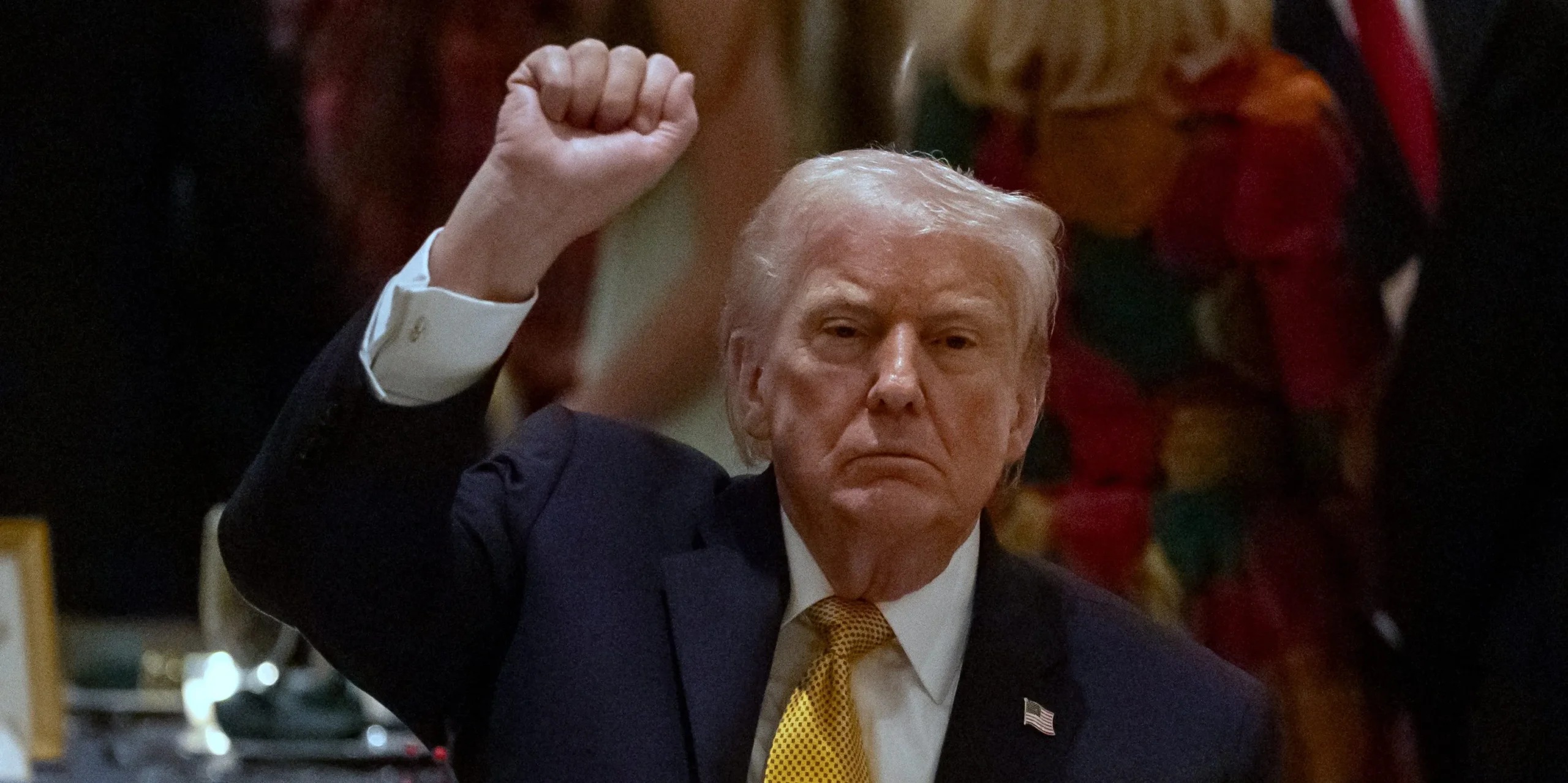
Trump announced the Nigeria strikes on Thursday, linking the military action to recent attacks against Christian communities and institutions.
“I have previously warned these Terrorists that if they did not stop the slaughtering of Christians, there would be hell to pay, and tonight, there was,” Trump said on Thursday in a post on Truth Social.
“The Department of War executed numerous perfect strikes, as only the United States is capable of doing.”
The White House has not released casualty figures from the operation. Trump described the strikes as “deadly,” while AFRICOM said its preliminary assessment indicates “multiple” ISIS terrorists were killed.
Christians Targeted in a Wave of Violence
The airstrikes come amid a troubling surge in attacks against Christians across Nigeria.
In November, gunmen raided the Christ Apostolic Church in Eruku, Kwara State, killing two people and abducting dozens. Those captives were freed nearly a week later.
That same month, armed attackers stormed St. Mary’s School in Niger State, kidnapping more than 300 students and staff members. Although about 50 students later escaped, more than 250 students and 21 teachers remain in captivity.
Nigeria Pushes Back After US Designation
Following the violence, the Trump administration moved in November to designate Nigeria as a “country of particular concern,” citing religious freedom violations and ongoing security failures.
Nigeria’s government has rejected the designation, pushing back against Washington’s assessment even as militant attacks continue to destabilize large parts of the country.