

A strategically located territory on Africa’s Horn is drawing increased attention from Washington and its allies as tensions continue to simmer across some of the world’s most critical shipping routes.
Somaliland, the self-declared state that broke away from Somalia in 1991, is increasingly being viewed as a potential Western security partner in the Red Sea region. Analysts say its ports and military infrastructure could provide the United States and its allies with new options for countering Iranian influence and disrupting Houthi operations near one of the world’s busiest maritime corridors.
The development comes as Iran continues to rely on its regional network of proxy groups, including Yemen’s Houthi movement, to project power and pressure commercial shipping routes.
Somaliland’s Strategic Position Raises Stakes
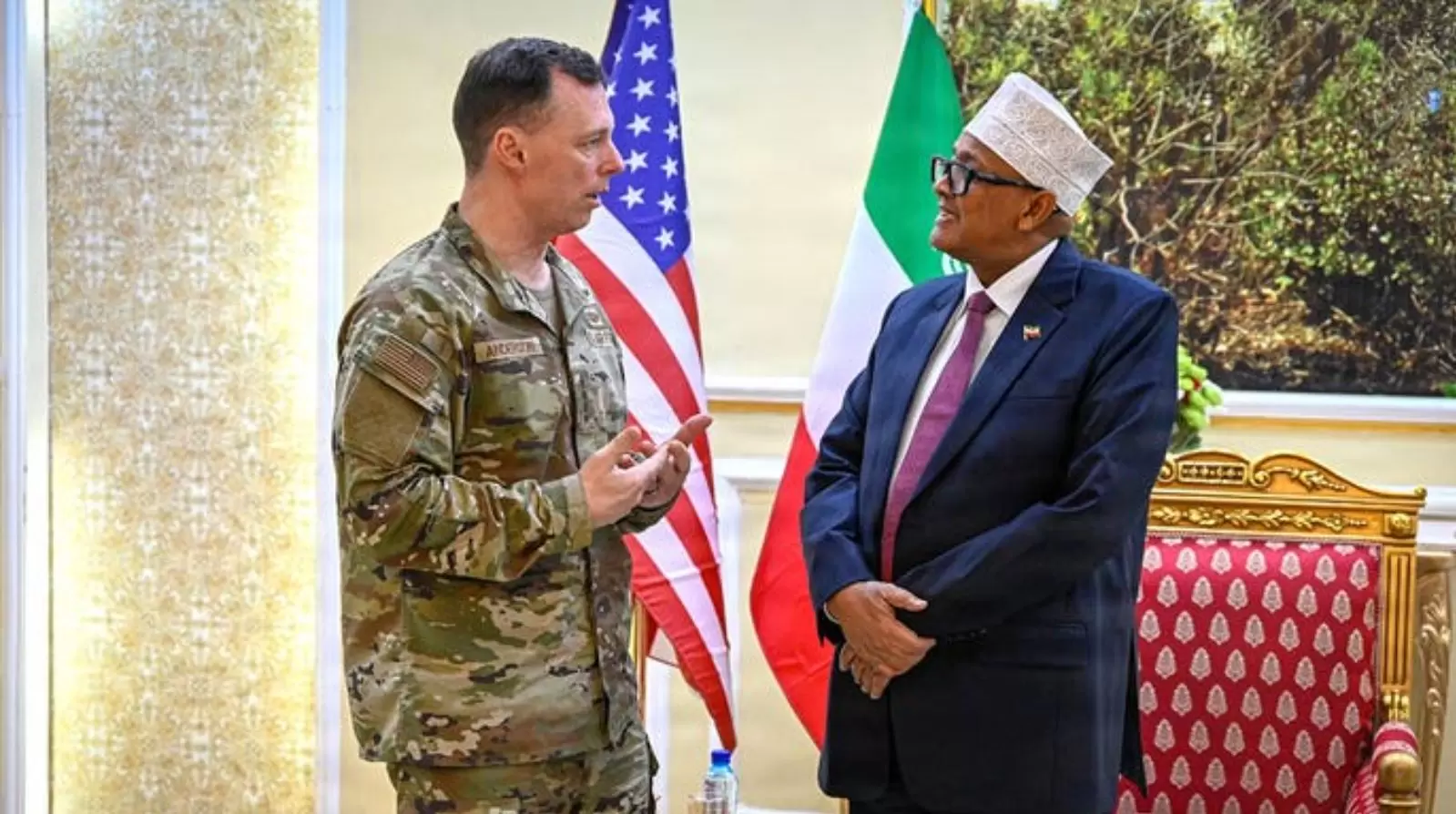
Experts argue that Somaliland’s geographic location places it at the center of a growing geopolitical contest.
Lisa Daftari, a Middle East and foreign policy expert, said, “Iran’s regime is deeply threatened by what Somaliland represents in an emerging pro-Western, potentially pro-Israel foothold overlooking the Bab el-Mandeb, that could blunt Tehran’s leverage via the Houthis over Red Sea shipping and Israel.”
The Bab el-Mandeb Strait remains one of the most important maritime chokepoints connecting the Red Sea to global trade routes. Any military or logistical presence in the area could significantly affect regional security calculations.
Daftari also warned that Tehran’s allies have already signaled concern.
“that’s why Iran-backed Houthis are already explicitly threatening to strike any Israeli or Western military presence in Somaliland and warning they could move to choke the Bab el-Mandeb if the conflict with the U.S. and Israel escalates.”
White House Highlights Pressure On Iran
While speculation continues over a possible long-term U.S. presence in Somaliland, the White House emphasized that American operations have already weakened Tehran’s regional network.
“The United States Military achieved all of the goals laid out for Operation Epic Fury – including weakening Iran’s proxies. Now, Iran is being strangled economically – giving President Trump all the cards as negotiations continue,” Anna Kelly, special assistant to the President and White House principal deputy press secretary told when asked if the U.S. was considering a full-time-basing relationship with Somaliland.
The comments underscore Washington’s broader strategy of combining military pressure with economic measures against Iran.
Israel Recognition Adds New Dimension
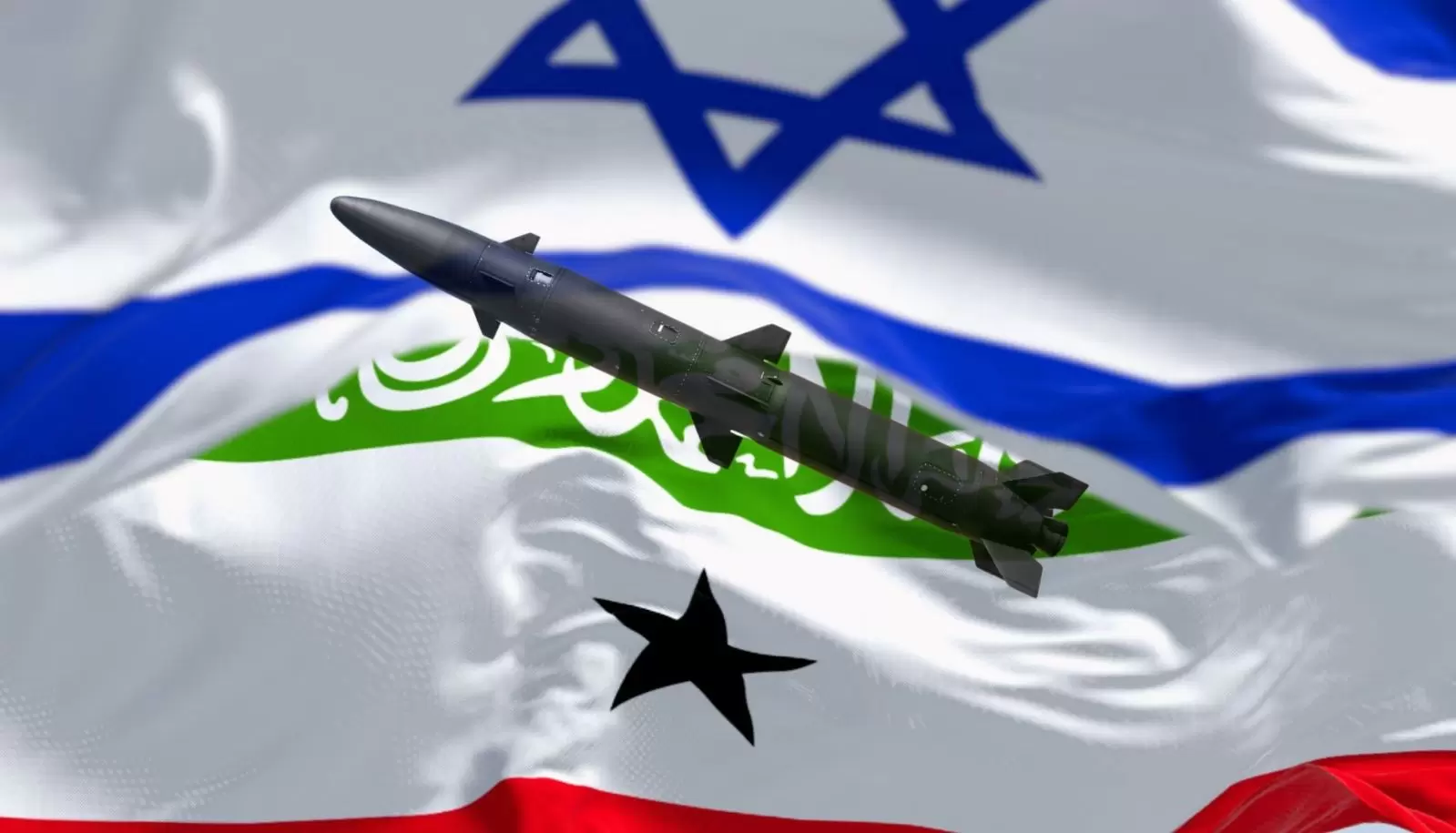
Somaliland’s diplomatic relationship with Israel has become another source of friction with Tehran.
According to Edmund Fitton-Brown, a senior fellow at the Foundation for Defense of Democracies and former British ambassador to Yemen, Iran’s opposition goes beyond military concerns.
He said Iran “opposes any recognition of it (Somaliland) primarily because Israel is the first state to recognize it, and Iran will oppose anything that Israel does. Iran is also viscerally opposed to the U.S. and UAE, both of which have pragmatic engagement with Somaliland, short of recognition. Somaliland is a potential base for anti-Houthi enforcement, i.e. a threat to the Iranian Axis of Resistance.”
The diplomatic recognition has elevated Somaliland’s profile while simultaneously placing it at the center of broader Middle East rivalries.
Concerns Grow Over Djibouti’s Reliability
The United States already maintains a major military installation in neighboring Djibouti. However, growing Chinese influence there has prompted some analysts to suggest Washington should diversify its regional partnerships.
Fitton-Brown noted, “China is significantly expanding its military and commercial presence in Djibouti. There is a sense that Djibouti is not a reliable ally for the U.S. So Somaliland’s time has probably come.”
That assessment has strengthened arguments for exploring additional logistical and military options along the African coast.
Somaliland Offers Ports, Airfields And Missile Storage
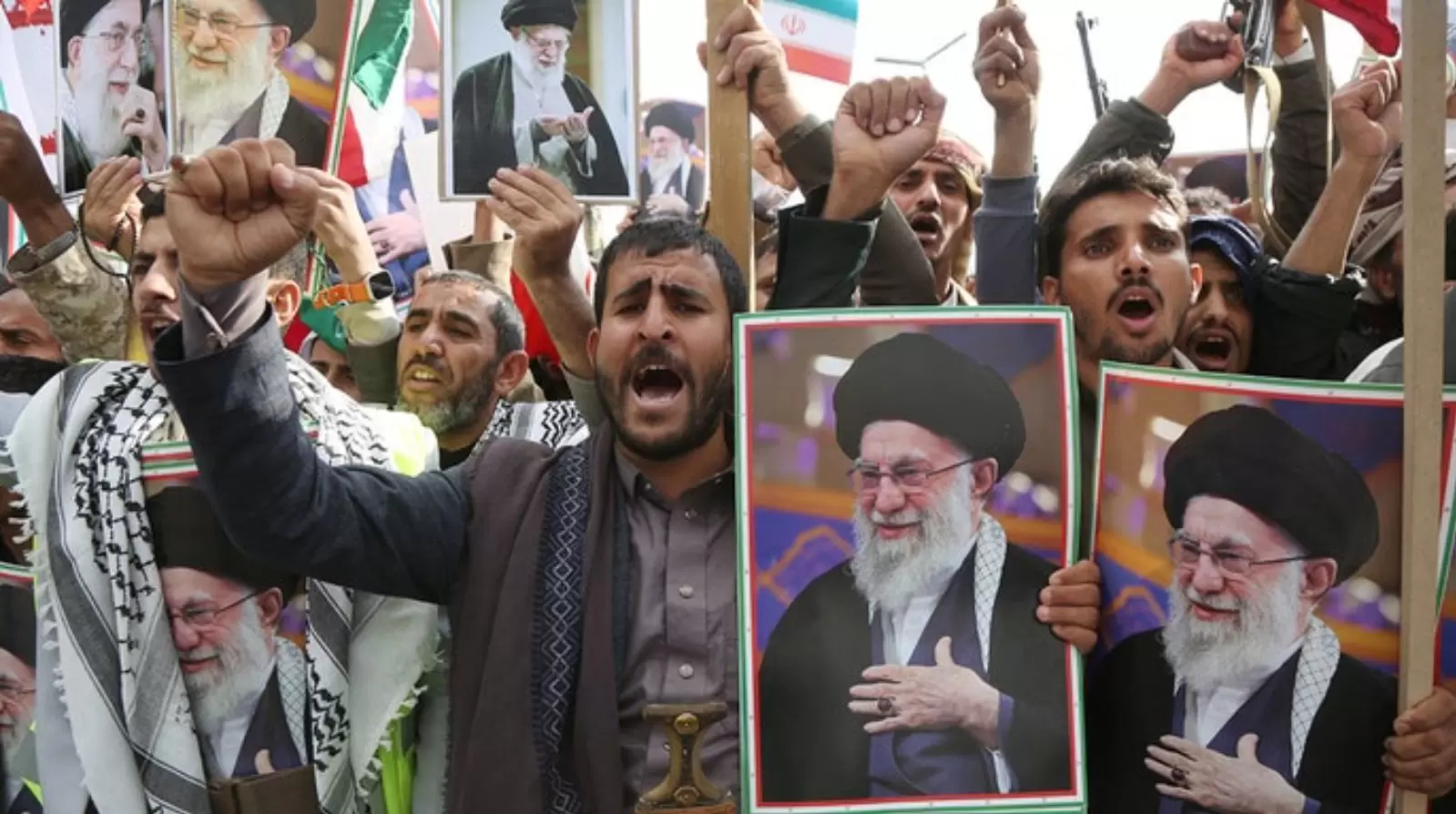
Somaliland’s leadership has openly encouraged deeper security cooperation with Washington.
Foreign Minister Abdirahman Dahir Adam stated, “At a time when the Strait of Hormuz is under pressure and threats to the Red Sea are escalating, Somaliland has reiterated its longstanding offer to provide the United States with access along our coast. We have been clear about this in times of peace, and we are equally clear today.”
The government has reportedly proposed allowing access to coastal facilities, airfields, and even missile storage infrastructure.
A government source described the proposal as “a unique way to advance security interests.”
Adam further argued that the territory could play a practical role in supporting U.S. naval operations.
“U.S. destroyers that expend their missile batteries in the Red Sea require (currently) up to two weeks of travel to be resupplied. Somaliland is ready to play a practical role in helping the U.S. to secure global trade routes.”
Recognition Debate Creates Diplomatic Challenge
Despite growing security cooperation, formal recognition of Somaliland remains politically sensitive.
Maj. Gen. (Ret.) Kenneth P. Ekman, former AFRICOM/J5 and West Africa coordination element lead, pointed to the complications involved in dealing directly with Somaliland instead of Somalia’s internationally recognized government.
“a policy dilemma presents when conducting diplomatic and military relations with Somaliland directly, rather than through the Federal Government of Somalia and the SNA (Somali National Army).”
He added, “This same dilemma presents. While we (the U.S.) enjoy good access in Djibouti, this access is singular and competes with the Chinese presence. Additional access to the port of Berbera, located in Somaliland, provides redundancy (backup) and a relationally different partner. Frankly, the U.S. military, along with some of our allies and partners, need port access in Berbera.”
Ted Cruz Pushes For Recognition
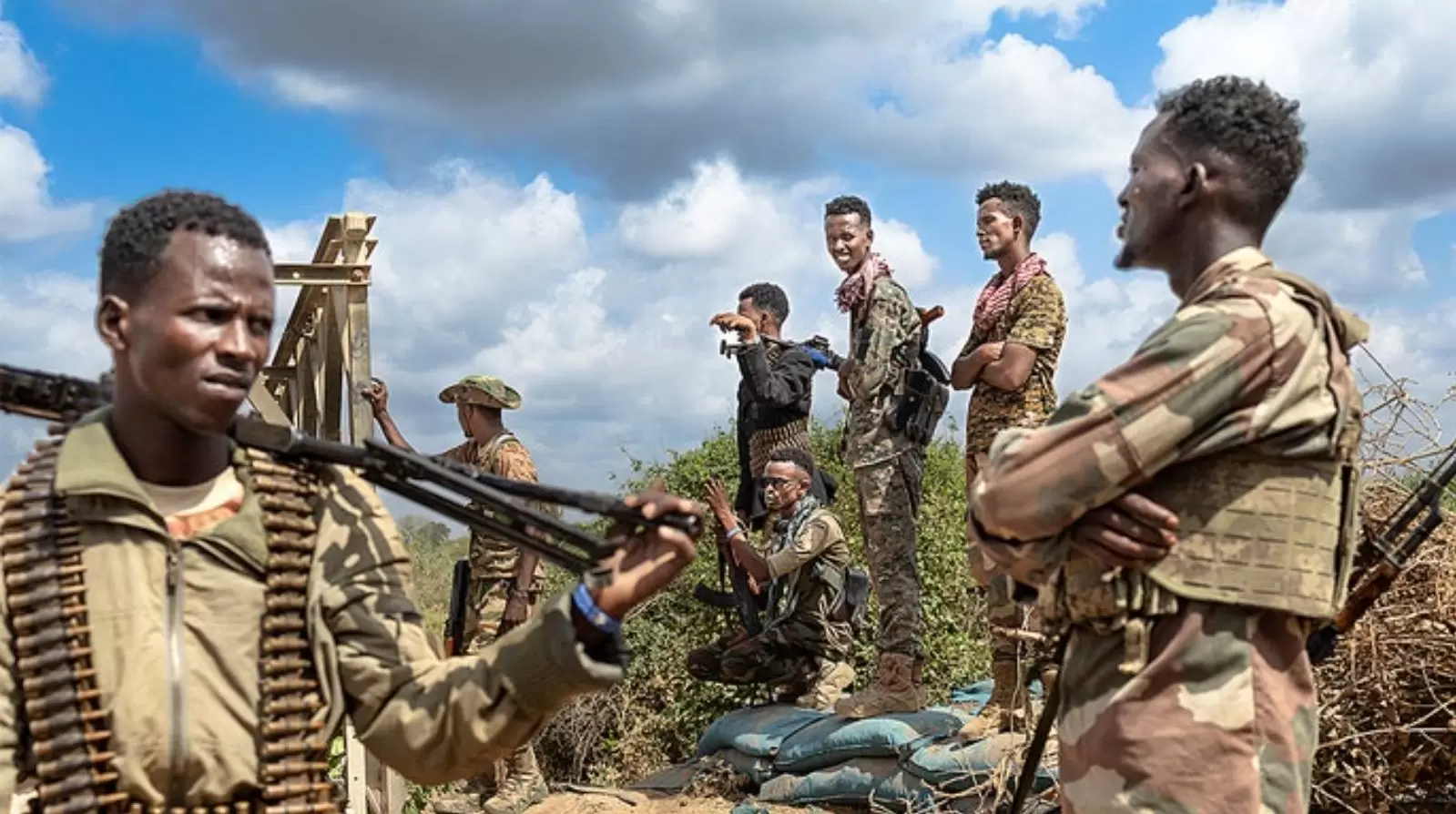
Support for Somaliland is also gaining traction among some lawmakers in Washington.
Sen. Ted Cruz, chairman of the Senate Subcommittee on Africa and Global Health, urged stronger ties and formal recognition.
He said, “Somaliland promises to be a critical counterterrorism ally for the United States, both because of its strong willingness to partner with us and because of its unique location. We should recognize the Republic of Somaliland as an independent state and, in the meantime, significantly boost our counterterrorism cooperation.”
His remarks reflect a growing belief among some policymakers that Somaliland could become a valuable security partner in East Africa.
U.S. Engagement Appears To Be Expanding
Although Washington continues to publicly support Somalia’s federal government, signs of deeper engagement with Somaliland have emerged.
AFRICOM Commander Gen. Dagvin Anderson visited the territory last year, while Somaliland officials say American military delegations continue to make regular visits.
Fitton-Brown said, “The U.S. is already using it (Somaliland) for counterterrorism operations.”
“My understanding is that the U.S. doesn’t have a permanent military presence in Somaliland, but actively cooperates with Somaliland’s security forces on regional counterterrorism and maritime security issues.”
A former senior U.S. defense official also indicated that American specialists have worked alongside Somaliland forces since 2023 during operations targeting ISIS facilitator Bilal al-Sudani.
Pentagon Reaffirms Somalia Partnership
Even as reports of cooperation continue, the Pentagon stressed that its official partnership remains with Somalia.
“The United States maintains its strategic partnership with the Federal Government of Somalia.”
“In northern Somalia, AFRICOM, alongside the Federal Government of Somalia and Somali Armed Forces, has conducted airstrikes to degrade ISIS—Somalia’s ability to threaten the U.S. Homeland, our forces, and our citizens abroad. In southern Somalia, AFRICOM, also in close coordination with the Federal Government of Somalia, has conducted airstrikes to enable partner forces’ ability to degrade al Shabaab. Our strategic approach to countering terrorism in Africa relies on trusted partnerships and collaboration grounded in and through shared security interests.”
Still, supporters of closer ties with Somaliland argue the territory offers unique advantages.
As Daftari concluded, “Somaliland is offering the United States what the mullahs fear most in this theater, namely an alternative, resilient platform on the African shore that includes an airfield, port, and over-the-horizon access that would dilute Houthi leverage and give Washington options that don’t depend on Djibouti or Persian Gulf partners alone.”