

A bold proposal to tax California’s ultra-wealthy is gaining traction with voters, yet economists and business leaders warn it could trigger serious economic consequences. Supporters call it a lifeline for a strained healthcare system. Critics, however, say it risks driving away the very people who fuel the state’s economy.
So, is this a necessary fix, or a costly misstep?
What the Billionaire Tax Proposes
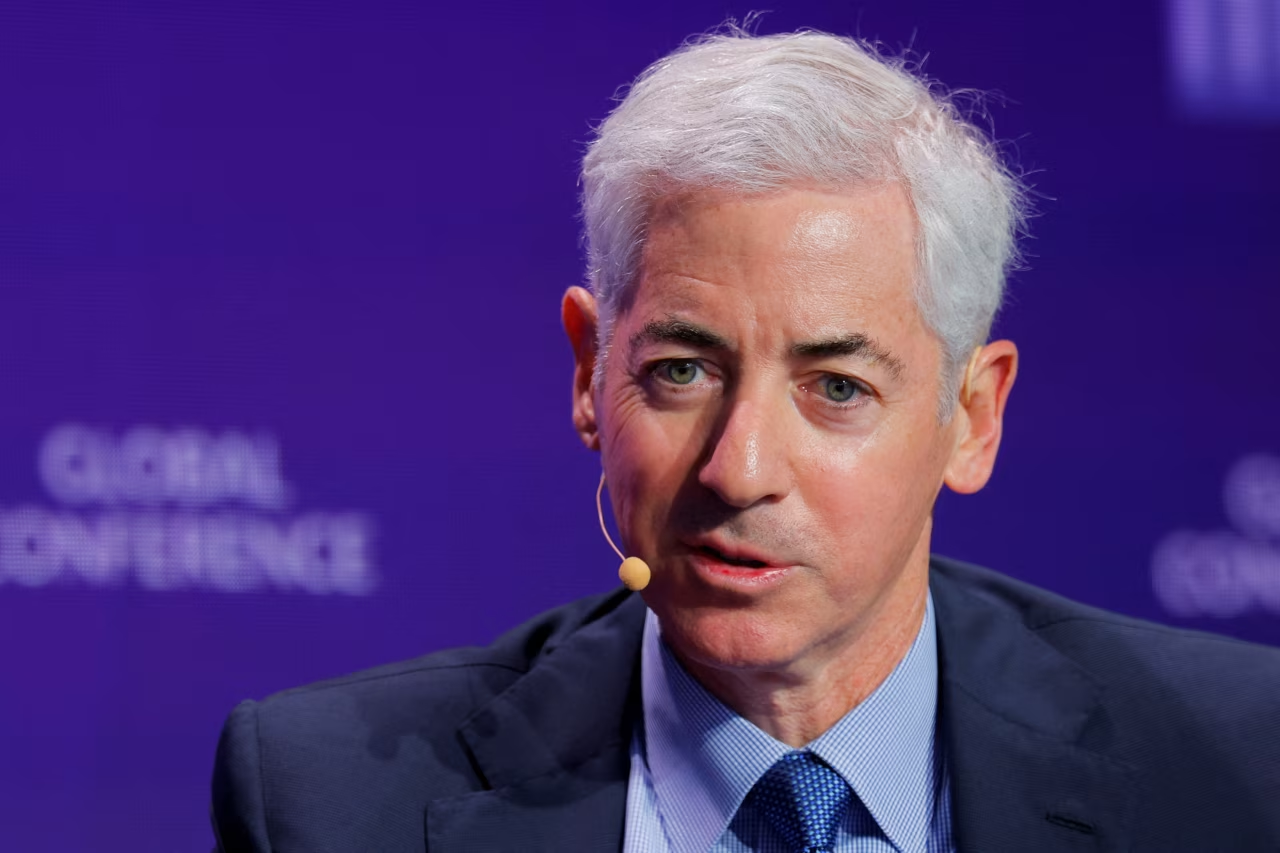
At the center of the debate is the “2026 California Billionaire Tax Act,” a measure that would impose a one-time 5% tax on individuals with a net worth exceeding $1 billion.
According to California’s Legislative Analyst’s Office, the tax would apply to a wide range of assets, including businesses, stocks, collectibles, and intellectual property. Real estate held personally would be excluded, but properties tied to business ownership could still be counted.
Meanwhile, the revenue plan is clear. Roughly 90% of funds would be directed toward public healthcare services, with the rest allocated to administrative costs, education, and food assistance programs.
Supporters argue this is not optional, but urgent.
Supporters Warn of Healthcare System Collapse
Backers of the proposal, including SEIU-United Healthcare Workers West, frame the tax as an emergency response to looming federal funding cuts.
“California’s billionaires pay much lower tax rates than what working families pay out of every paycheck. And soon, massive federal healthcare funding cuts will collapse key parts of the California healthcare system,” Suzanne Jimenez, chief of staff at SEIU-UHW, told.
She did not hold back on the stakes.
“Local hospitals and emergency rooms will shut their doors forever” unless voters approve the Billionaire Tax so “billionaires pay their fair share” through a “one-time emergency 5% tax.”
Supporters also challenge claims that wealthy residents are already fleeing the state.
Rejecting what she called “sensationalized claims” from “a handful of billionaires and their highly-paid consultants,” Jimenez said there is “a lack of public reports or confirmations,” adding it “does not appear to be true,” and that “the overwhelming majority” of roughly 200 billionaires “appear to have opted to remain.”
For many advocates, the issue is about fairness and stability.
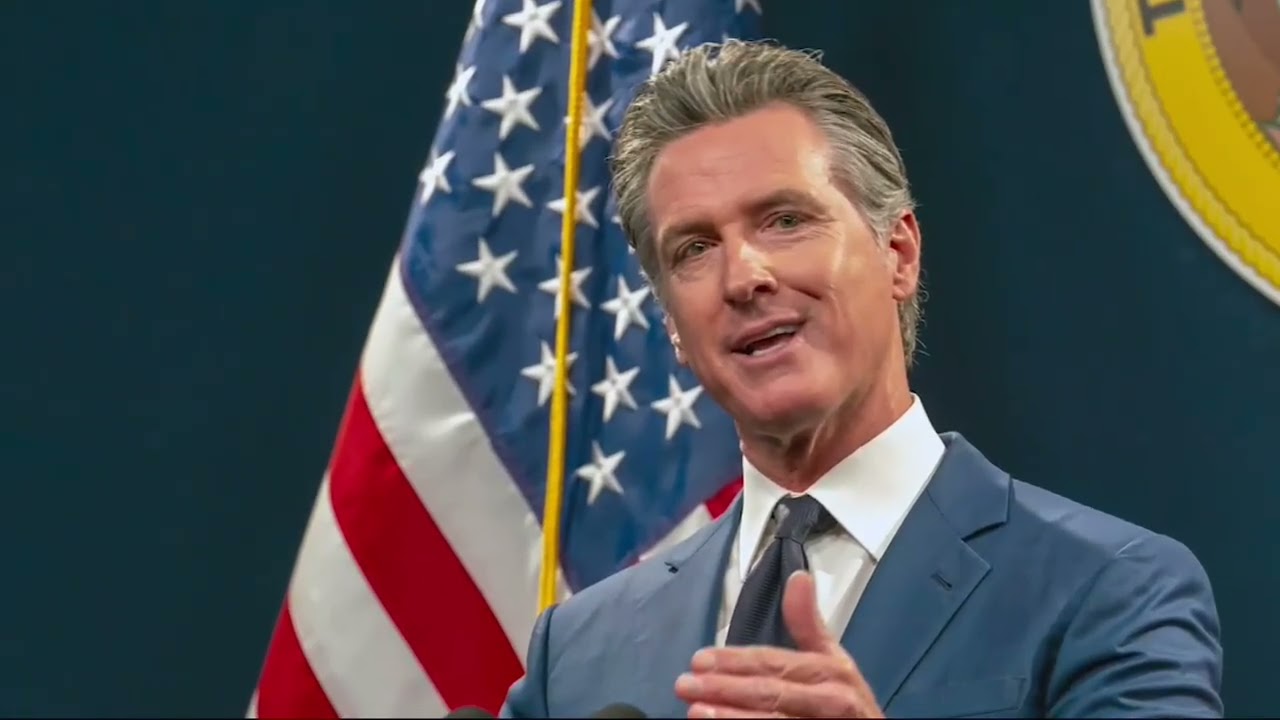
Jimenez emphasized that nurses, teachers, and first responders “pay taxes on nearly every dollar they earn,” warning that without the measure, “higher healthcare costs and higher taxes will be shifted onto millions of Californians” already dealing with “skyrocketing healthcare and prescription costs.”
Still, she dismissed opposing narratives as distractions.
“While these outlandish claims are a convenient distraction for a small number of billionaires, the 120,000 healthcare workers of our union remain focused on keeping California’s hospitals and ERs open for California’s 40 million residents who rely on them,” she added.
Economists Call Plan “Disastrous”
Not everyone is convinced.
Economist Adam Michel sharply criticized the proposal, warning it could backfire in multiple ways.
“I think it’s a really economically disastrous idea,” Adam Michel, director of tax policy studies at the Cato Institute, told.
“It is both diagnosing the problem incorrectly and also won’t fix the problem that is being diagnosed.”
According to Michel, wealth taxes often fail in practice. He argued they create administrative complexity, discourage investment, and generate less revenue than expected.
More importantly, he challenged the underlying assumption.
He said such policies rely on a flawed “fixed pie” view of the economy, where wealth can simply be redistributed without consequences. In reality, he warned, the result is slower growth and fewer opportunities.
Impact on Businesses and Investment
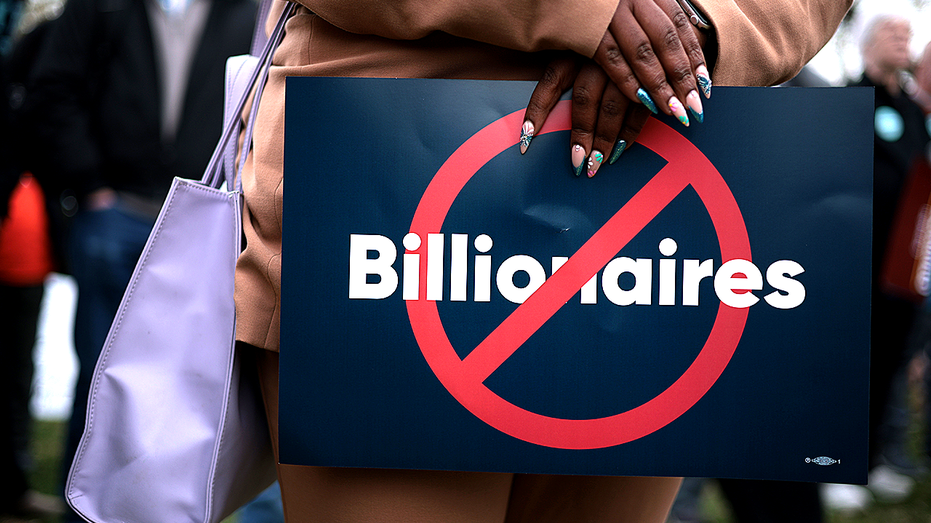
Critics also point to the direct impact on business owners.
Michel explained that a 5% wealth tax could effectively wipe out profits for companies earning modest returns. If a business earns less than that threshold, every dollar of profit could be taxed away, creating an effective rate of 100% or more.
That, he argued, removes any incentive to grow.
“We will get less housing, we will get less investment in machinery and equipment, we’ll get less investment in new companies,” Michel said. “That ultimately makes everyone worse off.”
In addition, he warned that the tax would not just affect billionaires. Because much of their wealth is tied to productive assets like stocks and business investments, the broader economy could feel the ripple effects.
Risk of Wealthy Exodus
Another major concern is the possibility of high-income residents leaving California altogether.
Michel noted that even state leadership has expressed reservations.
“He’s very aware of the fact that this proposal will actually lead to an exodus of the California tax base,” he said.
Even the perception of future taxes could accelerate that trend. If wealthy individuals believe similar measures may return, they may relocate preemptively.
Global Lessons Raise Red Flags
History offers cautionary tales.
Michel pointed out that wealth taxes have largely been abandoned across developed countries. While some nations experimented with them in the 1990s, most later scrapped the policy due to poor results.
Spain remains one of the few exceptions, though what began as a temporary measure eventually became permanent.
That possibility worries critics.
“States like California have an insatiable hunger for taking other people’s money,” he toldl. “And if they’re successful this time, there’s nothing stopping them from renewing this tax in future years.”
Strong Public Support Despite Concerns
Interestingly, voters appear divided.
A February 2026 Nestpoint survey found that 60% of likely voters support the billionaire tax. However, many of those same respondents also believe it could lead to job losses and a business exodus.
This contradiction highlights the complexity of the issue.
On one hand, there is strong demand for funding essential services like healthcare. On the other, there is growing concern about long-term economic stability.
A High-Stakes Decision Ahead
The proposal is still in its early stages, currently gathering signatures to qualify for the November ballot.
Yet the debate is already intense.
Will California voters choose immediate relief for public services, or will they heed warnings about economic fallout? The answer could shape not just the state’s financial future, but its position as a hub for wealth and innovation.