

A humanoid robot unveiled in China is blurring the line between machine and person, and not everyone is comfortable with it.
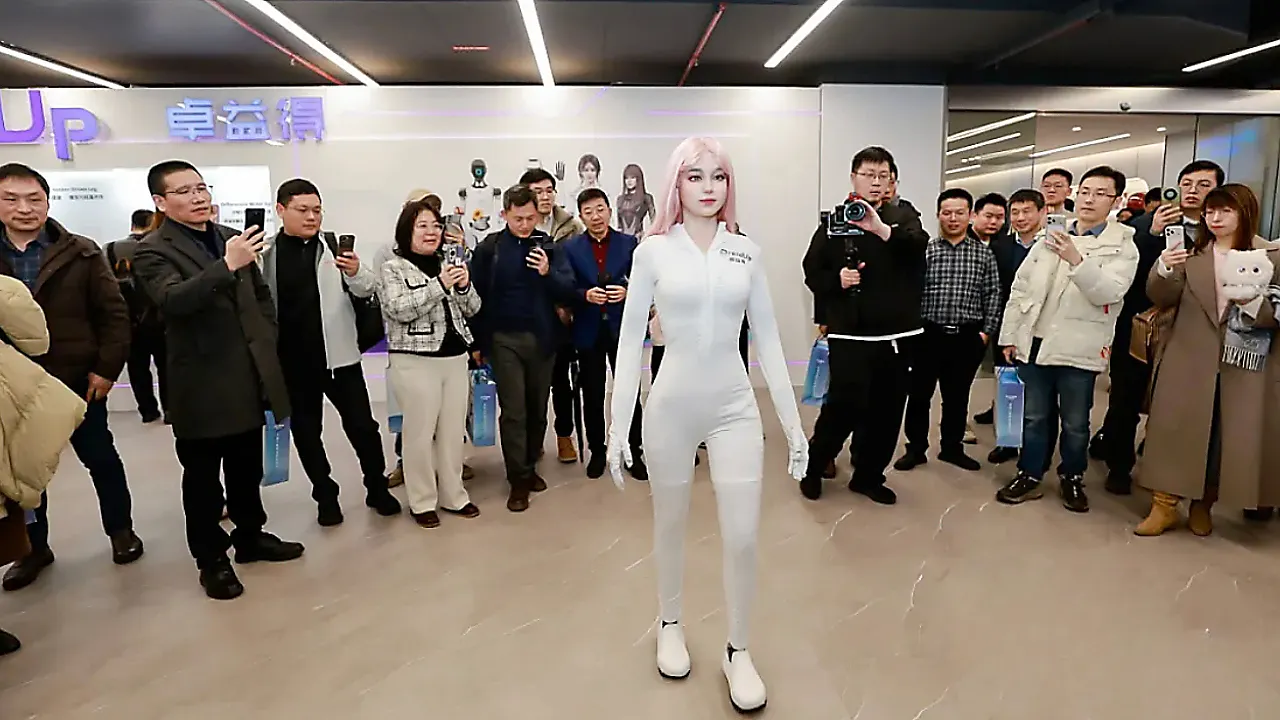
A Shanghai startup has introduced what it describes as the world’s first biometric AI robot. The android, named Moya, was presented by DroidUp, also known as Zhuoyide, during a launch event in Zhangjiang Robotics Valley, a fast-growing hub for humanoid innovation.
At first glance, Moya still reads as artificial. Her skin appears slightly synthetic. Her gaze seems distant. Her movements are not perfectly fluid. Yet the more details you learn, the more unsettling the picture becomes.
Warm Skin That Feels Too Real
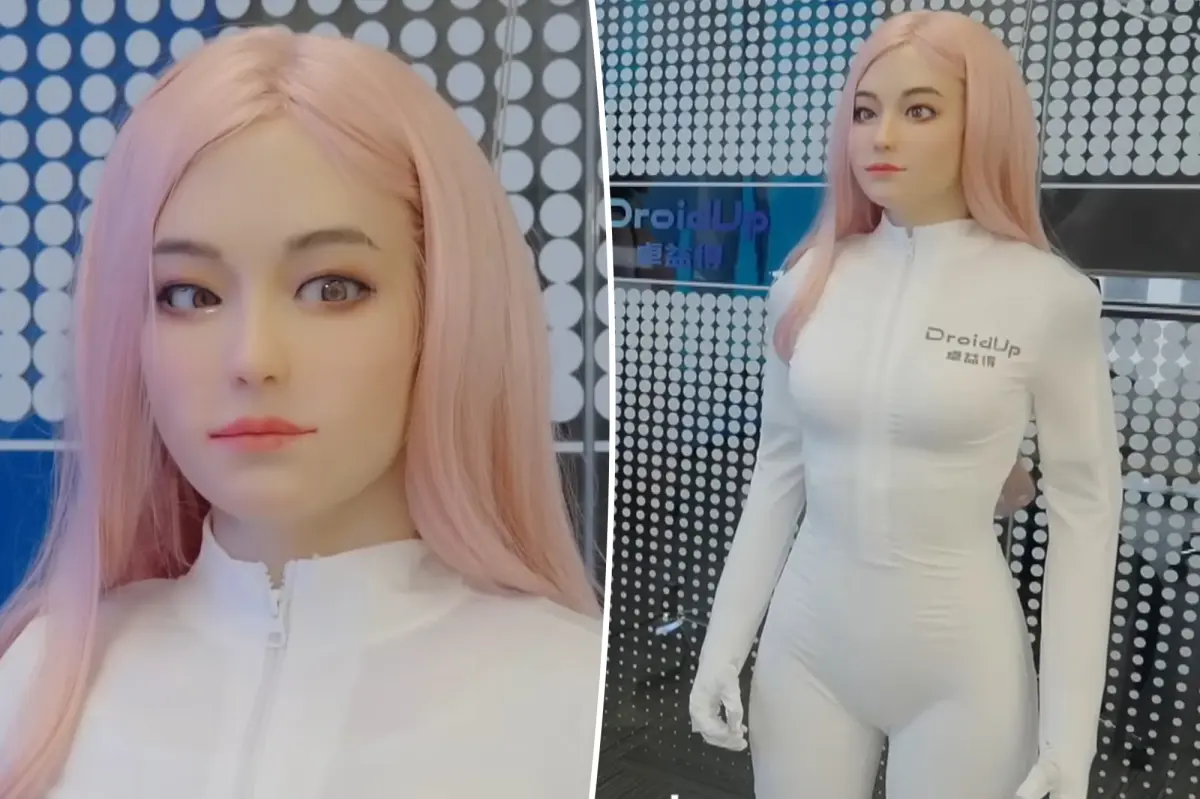
Most robots are obviously mechanical. Cold to the touch. Clearly not human.
Moya is different.
According to DroidUp, her body temperature ranges between 90°F and 97°F, aligning closely with that of a human being. Founder Li Qingdu has argued that robots designed to serve people should feel warm and approachable.
On paper, that philosophy sounds thoughtful. In practice, however, a warm-skinned humanoid standing beside you in a quiet corridor feels deeply uncanny.
DroidUp envisions Moya operating in healthcare, education and commercial environments. The company even hints at the possibility of daily companionship. For engineers, that signals progress. For many observers, it removes one of the last obvious distinctions between human and machine. Once warmth mimics biology, the boundary begins to fade.
A Walk That Almost Convinces You
Moya does not glide like earlier robots. She walks.
DroidUp claims her gait achieves 92% accuracy, though it has not publicly explained how that metric is calculated. On video, her steps look measured and slightly rigid, almost as if she is navigating soreness after a strenuous workout.
Under the surface, sophisticated hardware powers the motion. Moya operates on the Walker 3 skeleton, an advanced platform connected to a bronze medal performance at the world’s first robot half-marathon in Beijing in April 2025.
In other words, robotic mobility is improving fast. Still, watching a humanoid move through space with near-human cadence does not necessarily inspire awe. Instead, it provokes a pause. A double take. A quiet question about how close is too close.
Camera Eyes And Emotional Mimicry
Behind Moya’s lifelike eyes sit embedded cameras.
Those cameras allow her to track individuals, interpret expressions and respond with subtle facial reactions often referred to as microexpressions. Combined with onboard artificial intelligence, DroidUp describes Moya as a fully biomimetic-embodied intelligent robot.
That description may sound impressive. It also raises legitimate concerns.
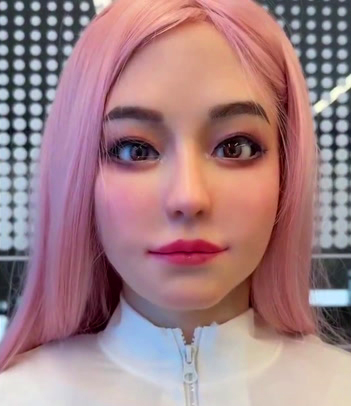
When a humanoid machine can observe your face, mirror emotional cues and adjust its behavior in real time, the dynamic shifts. Trust becomes more complicated. People may forget they are interacting with a device, not a person. Behavior changes. Guarded instincts soften.
This is artificial intelligence stepping out of screens and into physical proximity. As that transition happens, questions about privacy and consent grow sharper.
A Price That Keeps It Institutional
For now, few households need to worry about a humanoid companion appearing in their living room.
Moya is expected to launch in late 2026 with a price tag of approximately $173,000. That places her squarely within institutional budgets.
DroidUp envisions the robot stationed in train terminals, banks, museums and shopping centers, performing roles that involve guidance and public interaction. However, even in those environments, the presence of lifelike machines may unsettle visitors and workers alike.
In contrast, home robotics still revolve around practical tools such as automated vacuums and smart assistants. Walking humanoids remain rare, and prohibitively expensive.
Where Technology Is Heading
The significance of Moya’s debut goes beyond one robot.
Warm skin, camera eyes and humanlike movement signal a deliberate shift in design priorities. Engineers are striving for social integration, not just mechanical efficiency. The closer robots resemble us, the more naturally they blend into public settings.
Yet that realism carries consequences.
As humanoid machines become fixtures in everyday spaces, debates about surveillance, emotional influence and ethical boundaries will intensify. Even if the robots function politely and efficiently, their presence alters how people feel and behave.
Discomfort, in that sense, may serve as a warning signal rather than an overreaction.
The Bigger Question
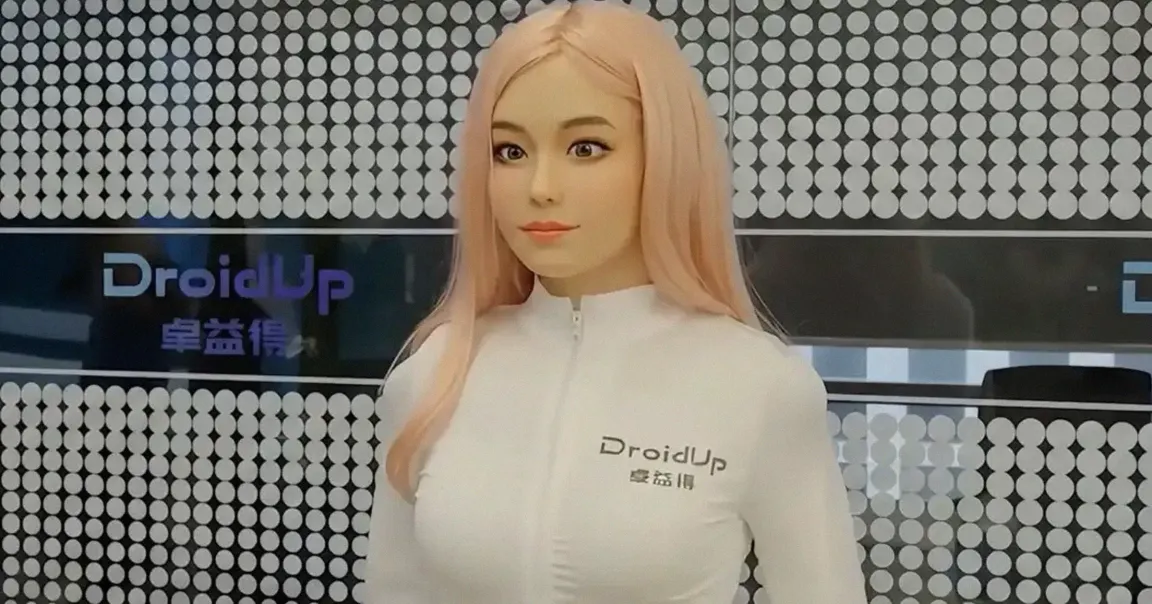
Moya’s existence suggests society is being asked to normalize lifelike robots faster than it can process their implications.
Humanoid machines do not require warm skin or expressive faces to provide directions or basic assistance. Nevertheless, developers continue pushing toward realism, even when it generates unease.
Technology often advances rapidly, while reflection trails behind. In this case, slowing down to consider the social and ethical stakes may prove more important than accelerating development.
If a warm-skinned robot with camera eyes greeted you in a train station tomorrow, would you trust it, or would you instinctively keep walking?