

A deadly rescue attempt on Florida’s Cocoa Beach has renewed urgent questions about public safety after two adults lost their lives trying to save a child caught in a rip current.
Officials say the drowning happened in an unguarded stretch of shoreline, where the nearest lifeguard was roughly three-quarters of a mile away. The child survived, but the heartbreaking incident has thrown fresh attention on a major staffing shortage that has left dozens of lifeguard towers empty during a busy beach season.
Empty Lifeguard Stands Raise Alarm
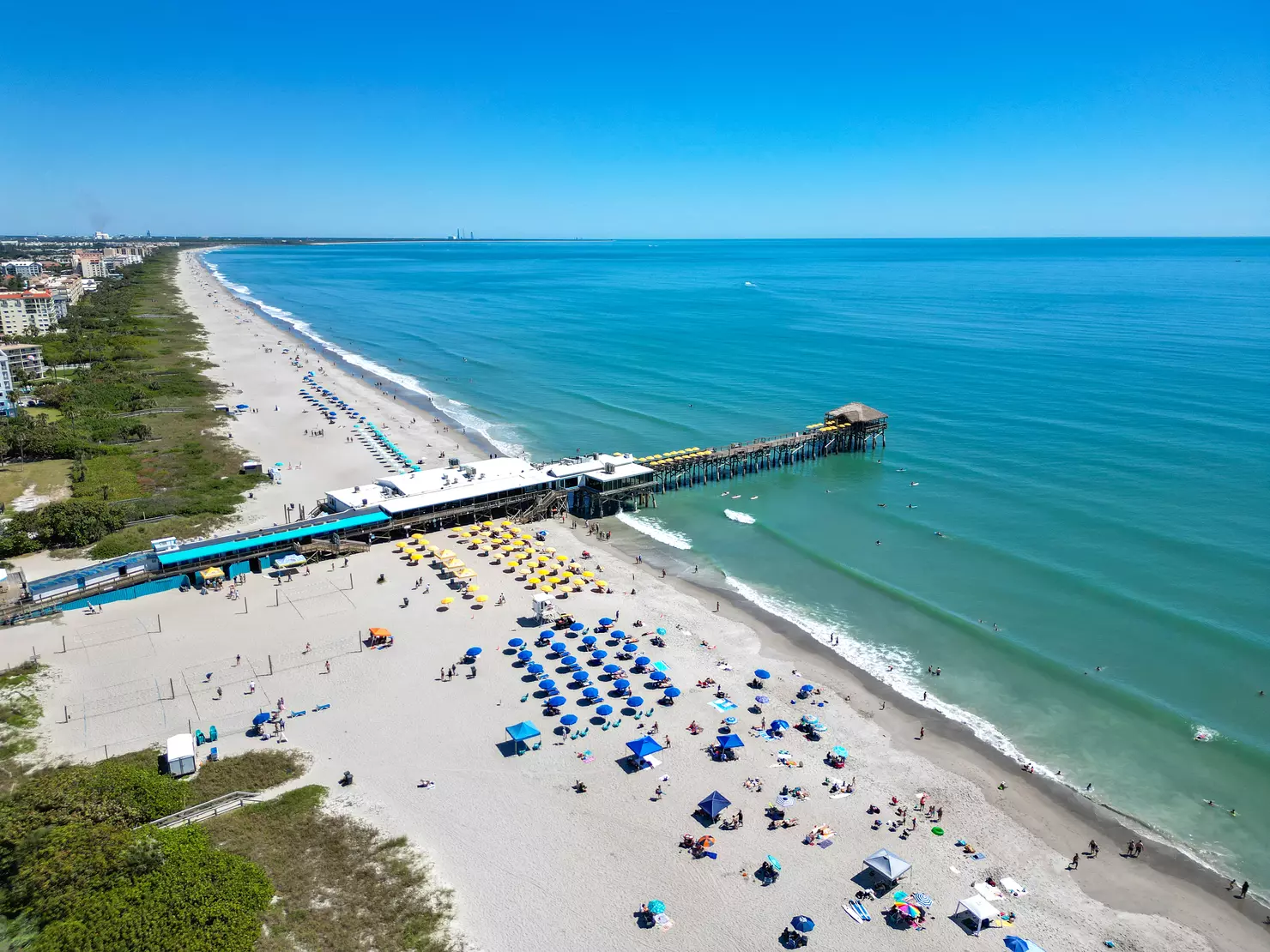
For years, lifeguard towers along Florida’s Space Coast have represented reassurance for tourists and locals alike. This spring, however, many of those posts remain vacant as Brevard County races to hire dozens of workers.
County officials say they need at least 45 more lifeguards.
“Obviously, we’re doing the best we can with what we have,” Brevard County Ocean Rescue Chief Eisen Witcher said. “And we assess as much risk as we possibly can…It’s not that we’re not there, it’s just we can’t be there all the time.”
That reality turned devastating this week.
Rescue Attempt Turns Fatal
Authorities responded Wednesday after reports of four people in distress in the waters off Cocoa Beach.
A 42-year-old man from Connecticut and a 34-year-old woman from Ohio were rushed to a hospital, where both later died.
Officials said the two adults entered the water in an effort to save a child who had been swept into dangerous conditions. The child survived.
Authorities did not immediately release the identities of the victims. Local reporting indicated the woman was the child’s stepmother, while the man was a bystander who stepped in to help.
Dangerous Waters, Hidden Threat
Witcher said the area where the tragedy unfolded did not have lifeguards stationed nearby.
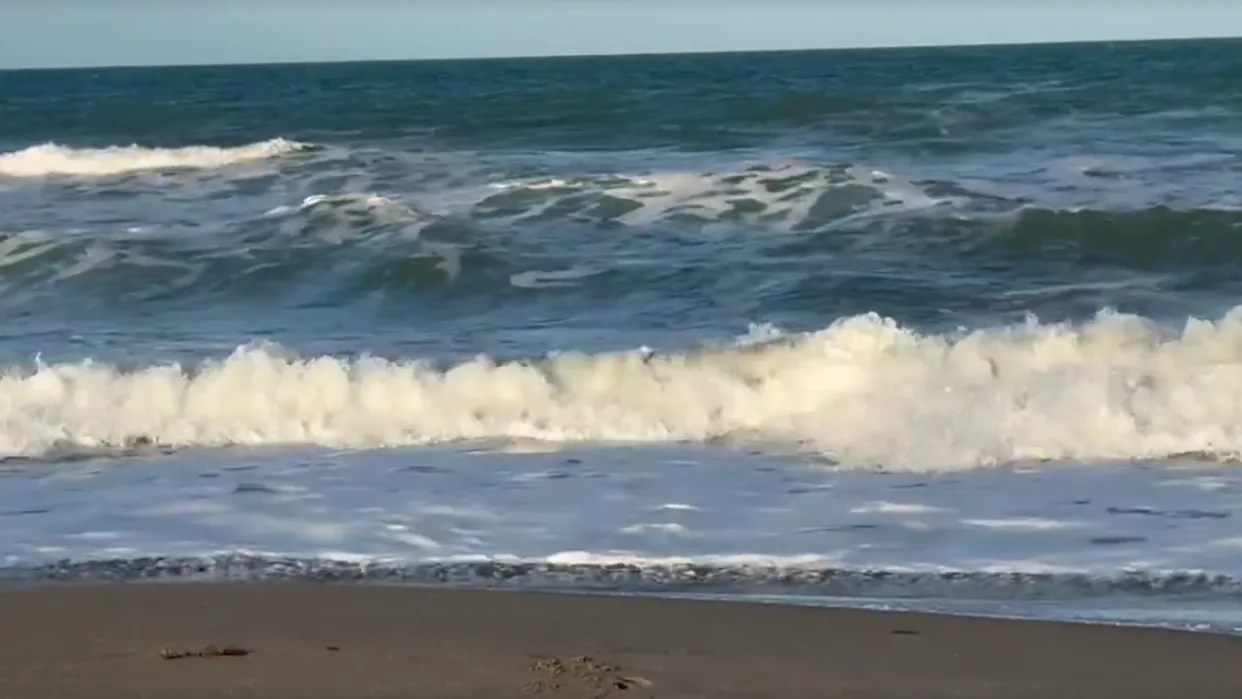
He also warned that recent rough surf had created especially hazardous beach conditions, with waves reaching six to eight feet.
“Conditions are starting to subside, making the ocean a lot more calm or appearing to look more calm. But those surf conditions have caused significant damage to the sandbars causing flash rip currents,” Witcher said.
Even when the ocean appears calmer, experts warn rip currents can strike suddenly and powerfully.
According to weather officials, much of Florida’s Atlantic coastline, stretching from south of Palm Coast to Miami, faced a high risk for rip currents.
Why Rip Currents Catch Visitors Off Guard
Rip currents are narrow, fast-moving channels of water that pull swimmers away from shore. They can appear without warning, especially after storms or days of heavy surf.
“It’s very fast, it’s very unexpected, and you can lose your footing very quickly. We watch, we try to prevent that as much as we possibly can in our life-guarded areas. Outside of a life-guarded area, it’s very difficult for people from out of town or tourists to know or understand or what to do,” Witcher said.
That warning carries extra weight in tourist-heavy beach towns, where many visitors may not recognize warning signs or understand surf dangers.
Lifeguard Hiring Push Underway

Officials say help cannot come soon enough.
The rescue chief confirmed the closest lifeguard at the time of the emergency was three-quarters of a mile away.
“Right now, we are actively recruiting for more lifeguards. We have been for the better part of two or three months now,” Witcher said, explaining that they have a tryout this weekend.
“We’d like to see at least 45 more [lifeguards].”Witcher said.
Until staffing improves, officials urge beachgoers to swim only in guarded areas whenever possible.
What To Do If No Lifeguard Is Nearby
If someone is caught in dangerous surf and no rescue personnel are present, officials say calling emergency services immediately is critical.
Trying to perform a rescue without flotation equipment or training can quickly create multiple victims, as this tragedy painfully demonstrated.