

House Democrats spent months drawing up investigations. Their midterm wins put them in position to issue subpoenas when the new Congress convenes in January.
Rep. Robert Garcia of California, the top Democrat on the House Oversight Committee and its likely next chair, posted a two-word warning on X: “LAWYER UP,”.
Sen. Ron Wyden, D-Ore., needed just one word: “Subpoenas.”
As results came in Tuesday night, Democrats signaled how they planned to use their new power on Capitol Hill. Rep. Delia Ramirez, D-Ill., called out several Trump administration officials and allies by name.
“Noem, Markwayne, Miller, Homan, Bovino, what’s up? Clear your schedule,” Ramirez wrote.
Sen. Ed Markey, D-Mass., joked about the volume of paperwork ahead. “They are going to need to plant new forests for all of the subpoenas we’ll be printing,” he wrote on X.
Caption: Rep. Delia Ramirez, D-Ill., singled out Trump administration officials and allies in her election-night warning. “Noem, Markwayne, Miller, Homan, Bovino, what’s up? Clear your schedule,” Ramirez wrote.
House Democrats Spent Months Preparing Trump Investigations
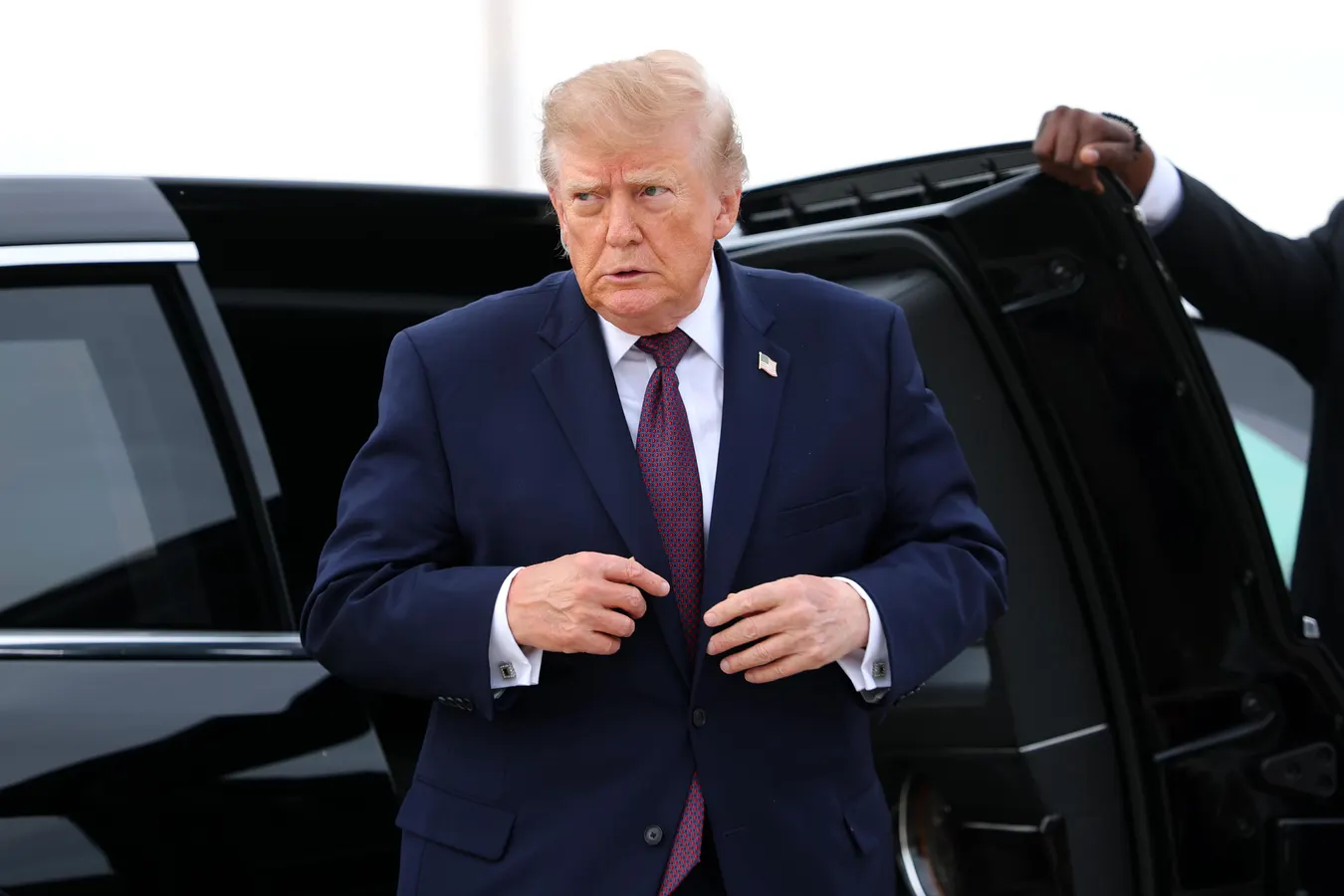
Garcia has said the Oversight Committee would move quickly on the Trump family’s business dealings, immigration enforcement, allegations of corporate corruption and the administration’s handling of the Jeffrey Epstein files.
“We’re not starting from scratch here,” Garcia said before the election. His team had spent months identifying potential lines of inquiry and sending requests for records. Once Democrats take over the committees, some of those requests could turn into subpoenas.
New York Gov. Kathy Hochul was described as ‘EXCITED’ about the prospect of Democrats tying up Trump in investigations.
Meanwhile, House Judiciary and Homeland Security Democrats have spent the past two years pressing the administration over immigration enforcement and other policies. Senate Democrats could open inquiries of their own once they take over committee leadership.
Pete Hegseth Could Face an Impeachment Vote Before January
Democrats introduced articles of impeachment against Defense Secretary Pete Hegseth before winning the House. They accused him of waging an unauthorized war against Iran and obstructing congressional oversight. Last month, House Minority Leader Hakeem Jeffries said “one of the first things” Democrats would do with a majority would be to “run Pete Hegseth out of town.”
However, a vote could come before the new Congress takes office. Rep. Thomas Massie, R-Ky., has said he plans to force a vote on his own impeachment resolution when lawmakers return for the lame-duck session. Massie accuses Hegseth of violating the War Powers Resolution during the Iran war and acting unlawfully in U.S. military operations in Venezuela and Yemen, as well as in operations targeting suspected drug traffickers.
What Happens if the Trump Administration Resists Subpoenas?
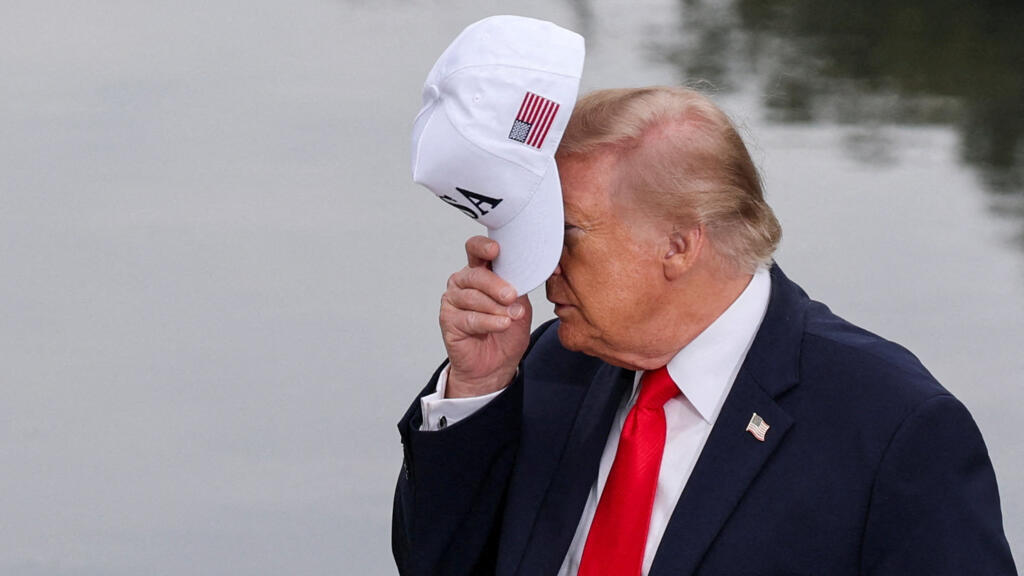
Congressional committees can subpoena administration officials and private citizens for sworn testimony, documents and communications. Under House rules, committees can delegate that authority to their chairs. That means some incoming Democratic chairs could issue subpoenas without first securing Republican support.
Still, enforcing a subpoena can take time, particularly if an administration official invokes executive privilege. Congress can seek enforcement in federal court. It can also vote to hold a witness in criminal contempt and refer the case to the Justice Department, which decides whether to pursue prosecution.
Former Trump advisers Steve Bannon and Peter Navarro each received a four-month prison sentence after a contempt of Congress conviction. Both had refused to comply with subpoenas from the House committee investigating the Jan. 6 Capitol attack.