

A new flashpoint in the Middle East could shake global energy markets and disrupt the quiet networks that have kept sanctioned oil flowing around the world.
Iran’s decision to shut down the Strait of Hormuz, one of the most important shipping corridors on Earth, has already triggered alarm across energy markets and international security circles. At the same time, Western governments are tightening enforcement against the so-called shadow fleet, a hidden network of oil tankers used to bypass sanctions.
Together, these developments may squeeze Russia’s war financing, disrupt China’s oil supply chain, and send ripple effects through the global economy.
Strait Of Hormuz Closure Sends Shockwaves
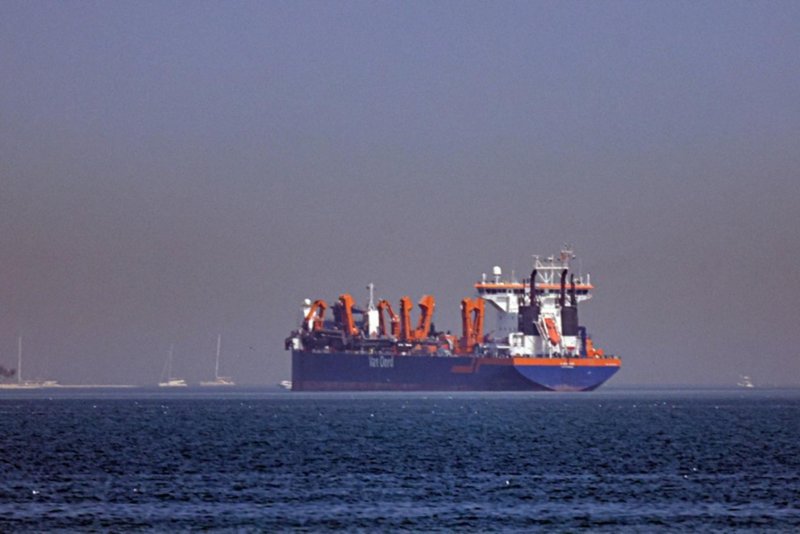
Tehran’s strike campaign has raised fears that shipping routes through the Strait of Hormuz may become too dangerous for commercial vessels.
The narrow waterway sits between Hormuz Island in Iran and the Omani enclave of Khasab, forming a critical link between the Persian Gulf and the Gulf of Oman. A large share of the world’s oil supply passes through it every day.
Iran’s leadership has warned vessels attempting to cross the passage could be “torched.”
Almost immediately, tanker traffic began dropping as shipping companies and crews feared missile attacks or military escalation. However, the shutdown has not only disrupted legitimate shipping. It has also thrown the murky world of sanction-dodging tankers into turmoil.
Shadow Fleet Networks Under Pressure
The crackdown has placed fresh attention on the so-called shadow fleet, a loosely connected network of oil tankers operating with obscure ownership structures and changing flags.
These vessels often transport oil for countries facing international sanctions, including Iran, Russia, and Cuba.
Meanwhile, Western governments have begun targeting these networks more aggressively. The United States has already imposed a form of naval quarantine aimed at blocking oil shipments to Cuba. In addition, Mexico has reportedly received warnings about sending petroleum products to governments considered hostile.
European allies are also joining the enforcement effort.
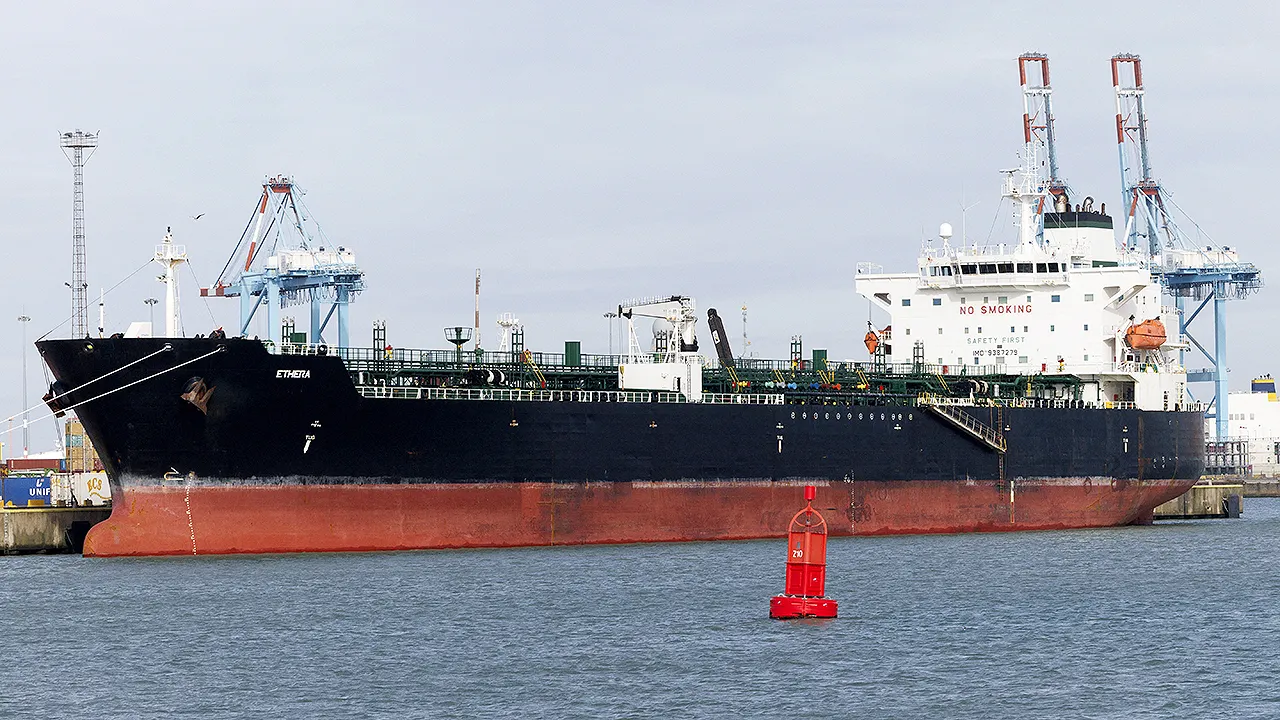
Belgium’s military intercepted a tanker linked to the shadow fleet earlier this week. The vessel, identified as the MT Ethera, was stopped while crossing the North Sea and redirected to the Belgian port of Zeebrugge.
Belgian Defense Minister Theo Francken praised the operation, saying, “Operation Blue Intruder was carried out by a team of exceptionally brave service members. Excellent work.”
Authorities believe the tanker may be connected to the family of Ali Shamkhani, a senior political adviser whose relatives reportedly control several vessels suspected of moving Iranian and Russian oil.
Oil Price Controls And Sanctions Tighten
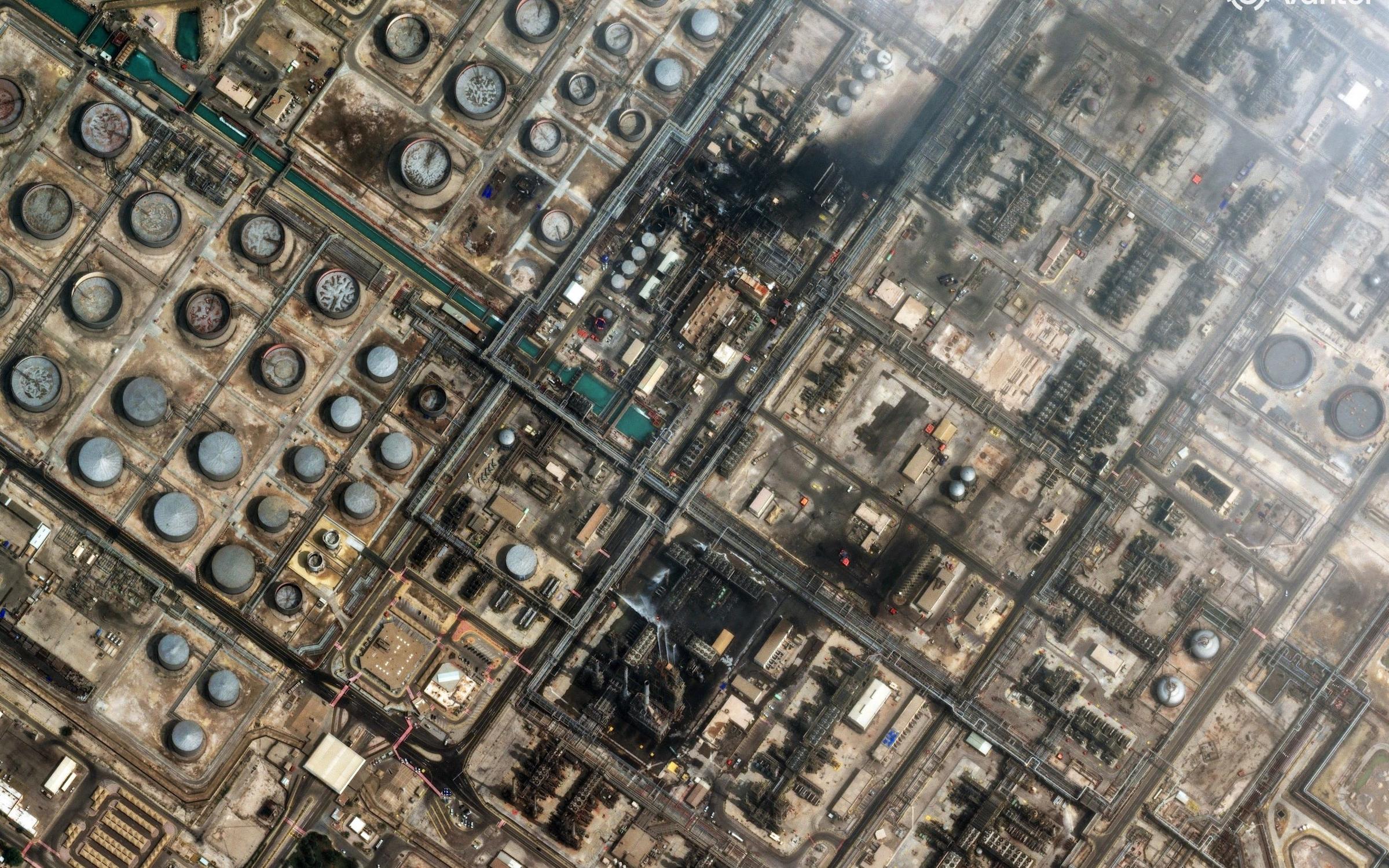
At the same time, Western governments have increased pressure on Russian oil exports through price caps and financial sanctions.
A coalition of Western nations recently reduced the Ural Price Cap to roughly $44 per barrel. The measure aims to limit Russia’s revenue from oil exports while still allowing global supply to flow.
Yet the intensifying enforcement against shadow shipping networks could complicate matters for countries that rely heavily on these shipments.
China, for example, reportedly depends on Iranian oil shipments that often travel through these unofficial routes. If the fleet transporting that crude becomes restricted, Chinese refineries could face supply challenges.
Russia could also feel the squeeze.
Reduced oil income would likely strain the funding Moscow uses to sustain its war effort in Ukraine.
Military Strikes Escalate Maritime Conflict
Meanwhile, military operations in the region continue to escalate.
U.S. Central Command recently released footage showing an American strike against an Iranian vessel reportedly carrying drones. According to Naval Today, more than 30 Iranian-linked ships have been sunk since the operation began.
Cmdr. Brad Cooper described the strike in stark terms.
“In the last few hours alone, we struck an Iranian drone carrier roughly the size of a World War II-era aircraft carrier, and it is currently on fire.”
The expanding maritime confrontation has raised fears that energy infrastructure, shipping routes, and global oil supplies could become direct targets as the conflict unfolds.
U.S. Treasury Expands Sanctions Campaign
Washington is also escalating financial pressure against Tehran.
The U.S. Treasury Department recently imposed sanctions on 30 individuals and entities accused of enabling illegal Iranian oil sales or supporting the country’s weapons programs.
In a statement, the agency explained the role of the shadow fleet in sustaining Iran’s economy.
“OFAC targeted additional vessels operating as part of Iran’s shadow fleet, which transport Iranian petroleum and petroleum products to foreign markets and serve as the regime’s primary source of revenue for financing domestic repression, terrorist proxies, and weapons programs.”
Officials say Iran relies heavily on complex financial and shipping systems to hide oil sales and move funds across international markets.
Treasury Secretary Scott Bessent warned that these operations help sustain Tehran’s military ambitions.
“Iran exploits financial systems to sell illicit oil, launder the proceeds, procure components for its nuclear and conventional weapons programs, and support its terrorist proxies.”
He added that Washington will maintain economic pressure on the Iranian government.
“Treasury will continue to put maximum pressure on Iran to target the regime’s weapons capabilities and support for terrorism, which it has prioritized over the lives of the Iranian people.”
The Treasury Department also noted that several sanctioned tankers were operating under flags from Panama, Barbados, Palau, Comoros, Iran, and Vanuatu. Investigators say these ships transported millions of barrels of Iranian crude over the past several years.
Officials argue that these revenues rarely benefit ordinary citizens inside Iran.
“Instead of allocating this revenue for the benefit of the Iranian people, the regime ultimately siphons it off to fund regional terrorist proxies, weapons programs, and repressive security services, rather than the basic economic needs the Iranian people have repeatedly and courageously demanded.”
Global Energy Markets Now Watching Closely
For energy markets, the combination of shipping disruption, sanctions enforcement, and regional military escalation represents a volatile mix.
Even small interruptions in the Strait of Hormuz can push oil prices higher almost overnight. If the waterway remains closed or unstable, the ripple effects could be felt from Beijing to Brussels to Washington.
The shadow fleet, once a quiet workaround for sanctioned oil trade, is now under intense scrutiny.
With tensions rising across the Middle East, the next moves by Tehran, Washington, and their allies could determine whether the global energy system faces another major shock.