

Tensions across the Middle East intensified this week as ships traveling through one of the world’s most critical maritime corridors came under attack. Maritime analysts say Iran has begun striking vessels across the Gulf of Oman in what appears to be a wide-ranging campaign affecting commercial shipping.
The strikes come as regional conflict grows following U.S.-Israeli military operations known as Operation Epic Fury. As the situation unfolds, global shipping routes that carry massive volumes of energy supplies are facing renewed risk.
Intelligence Firm Warns Of Indiscriminate Targeting
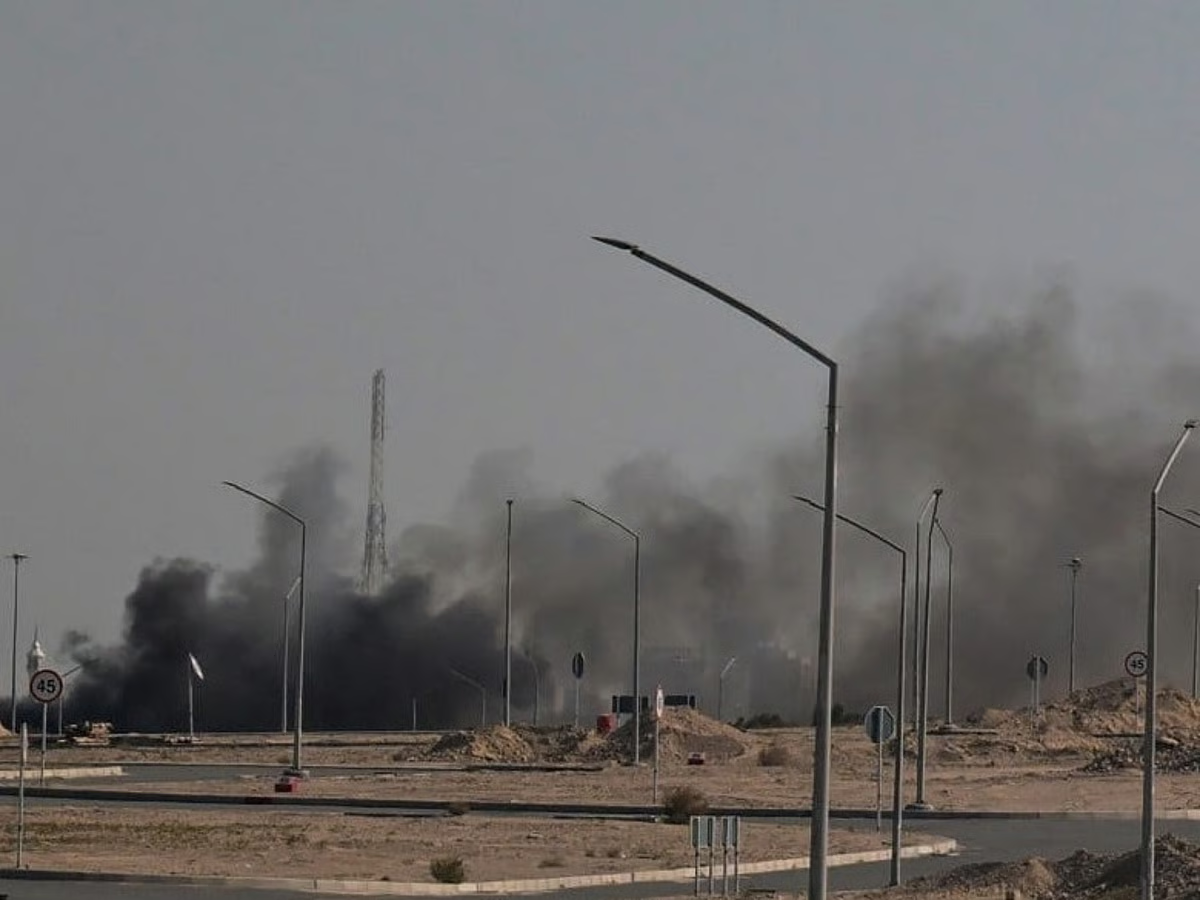
Shipping analysts monitoring maritime activity say Iran’s strategy appears to be shifting. Instead of focusing on specific vessels, the strikes appear to hit ships regardless of nationality or affiliation.
“Iran is conducting “indiscriminate” targeting of vessels across the Gulf of Oman and the wider Persian Gulf following the launch of U.S.-Israeli strikes under Operation Epic Fury, according to a maritime intelligence firm.”
The warning comes as the conflict across the Middle East entered its second day, with attacks reported on several ships traveling through the region.
“Analysis of vessel affiliations, targeting patterns, and cargo data points to a strategy of indiscriminate area denial — not precision targeting — aimed at demonstrating Iran’s capability to disrupt the Strait and deter commercial shipping,” the firm said Monday.
Sanctioned Tanker Skylight Among Targets
Among the vessels struck was the Palau-flagged tanker Skylight, a ship already sanctioned by the U.S. Treasury’s Office of Foreign Assets Control in December 2025 for transporting Iranian petroleum products.
The tanker was operated by Red Sea Ship Management LLC, a United Arab Emirates-based company that maritime analysts say has links to front companies tied to Iran’s Ministry of Defense.
At the time of the incident, the ship had been anchored in the region since Feb. 22.
The vessel carried a crew of 20 people, including 15 Indians and five Iranians.
Analysts Point To Unusual Targeting Pattern
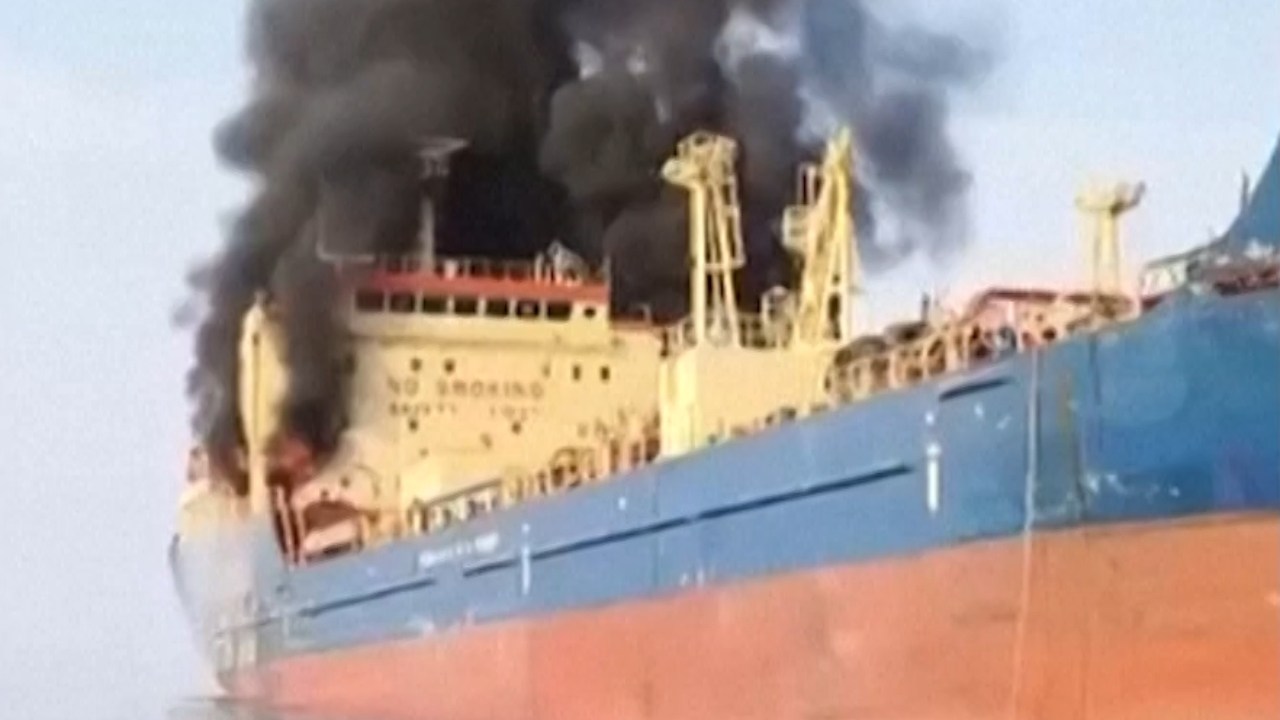
Experts say the decision to strike a ship with Iranian ties is one of the strongest signs that the attacks were not based on political affiliation or ownership.
“The Skylight anomaly, striking a vessel with an Iranian crew, Iranian operational ties, and active OFAC sanctions, is the single strongest piece of evidence against deliberate targeting by affiliation,” Windward said.
Because of these factors, analysts believe the strikes may be intended to send a broader warning to commercial shipping companies operating near the Strait of Hormuz.
Multiple Ships Reported Hit Across Region
The Skylight was not the only vessel affected. As military activity expanded, other ships were also reportedly attacked.
The UKMTO Operation Centre later confirmed incidents involving three vessels:
- Skylight
- MKD Vyom
- Hercules Star
Authorities warned that significant military operations were underway across several maritime zones, including the Gulf of Oman, the Persian Gulf, the North Arabian Sea, and the Strait of Hormuz.
Strait Of Hormuz Remains Critical Global Chokepoint
The Strait of Hormuz connects the Persian Gulf to the Gulf of Oman and remains the world’s most important energy chokepoint.
Each day, a large share of the world’s oil shipments passes through this narrow waterway. Even limited disruptions can have major impacts on global energy markets.
As tensions escalate, shipping companies and energy traders are closely watching developments in the region.
Tanker Fire Sparks Evacuation Near Oman
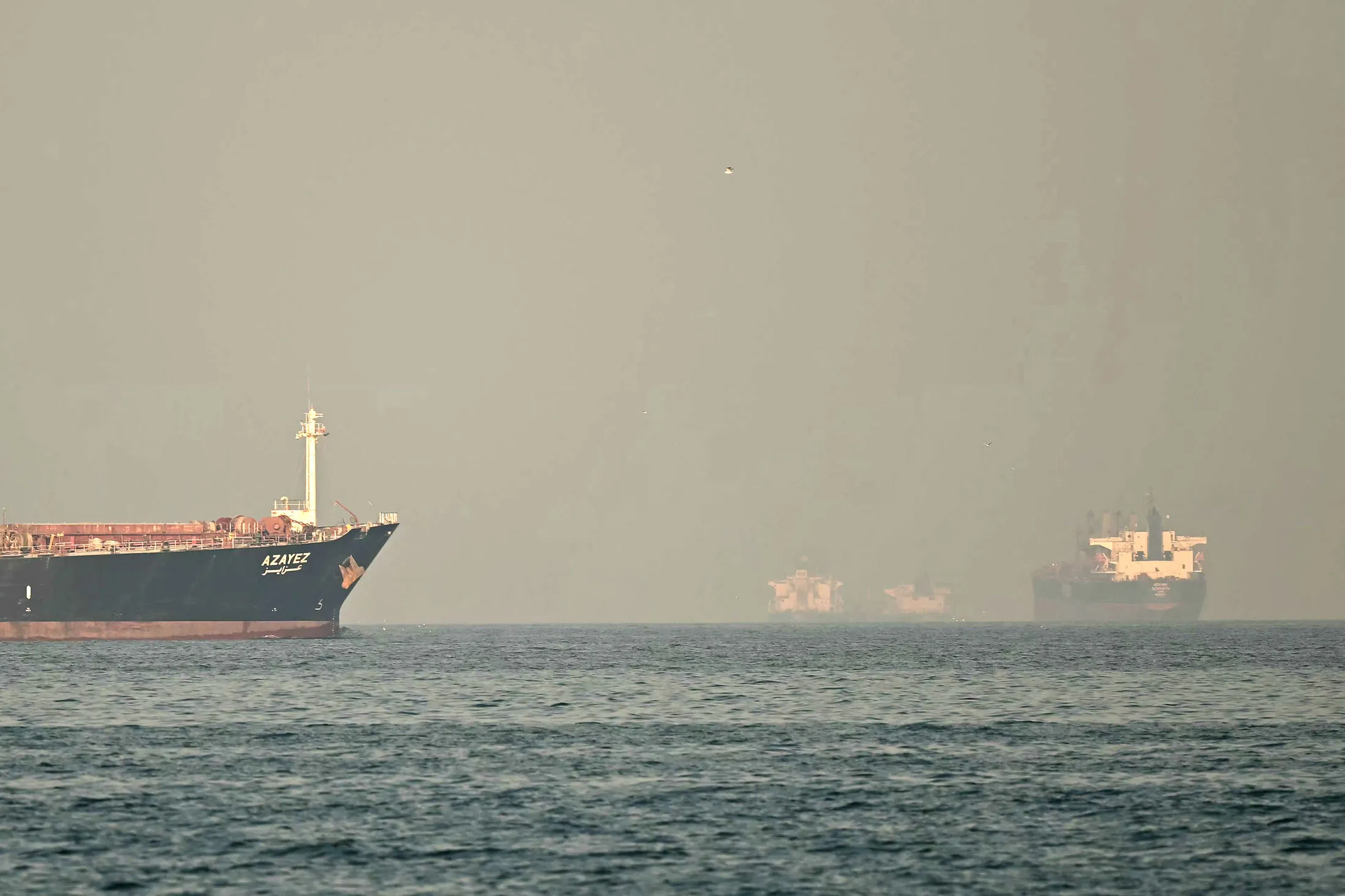
Reuters reported that the Palau-flagged tanker was struck near Oman’s Musandam Peninsula in the Gulf of Oman.
The impact caused a fire on board and injured four people.
Oman’s Maritime Security Center later confirmed the incident in a post on X, saying the tanker was attacked roughly five nautical miles north of Khasab Port before catching fire and being evacuated.
The event highlights growing security risks in one of the world’s most strategically important shipping corridors.
Regional Retaliation Expands Military Conflict
Meanwhile, the maritime attacks are unfolding alongside broader military retaliation across the Middle East.
Iran has launched missiles and drones targeting U.S. and allied positions across several countries, including Qatar, Kuwait, and the United Arab Emirates.
If the conflict continues to escalate, experts warn that commercial shipping could face prolonged disruptions, raising concerns for global trade and energy supply chains.