

“I see no problems, only solutions”
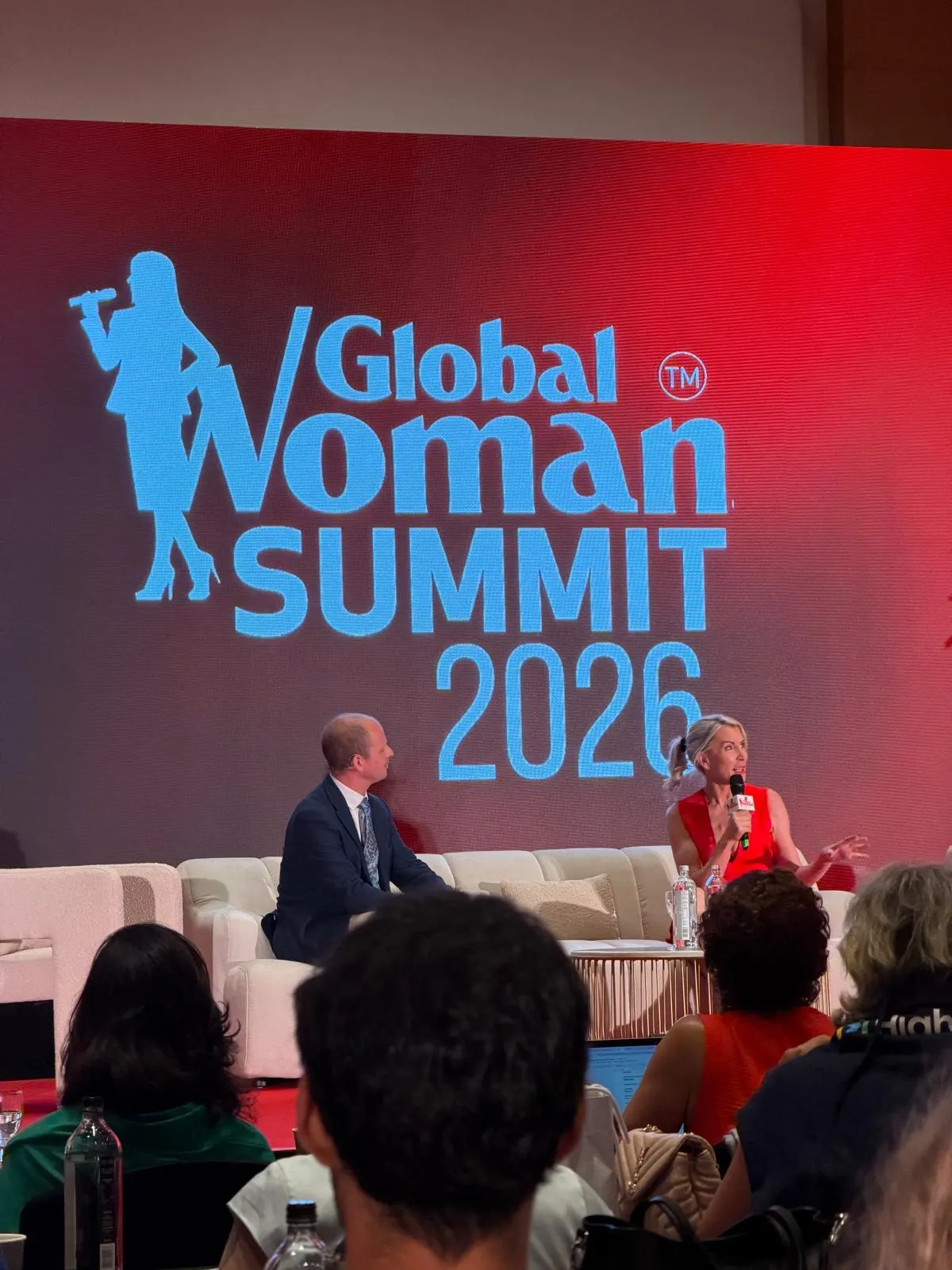
Heather Mills in conversation with Oscar Wendel at the Global Woman Summit in London on resilience, business and the addiction of giving. Global Health Stratalogues Aug 24, 2026
Few speakers arrived on a stage carrying as much accumulated public narrative as Heather Mills. Campaigner, landmine survivor, world record holder, food manufacturer and philanthropist, she has spent three decades being written about by people who, on her own account, rarely bothered to ask her anything directly. At the Global Woman Summit in London, in a fireside conversation moderated by Oscar Wendel, she set out her own version.
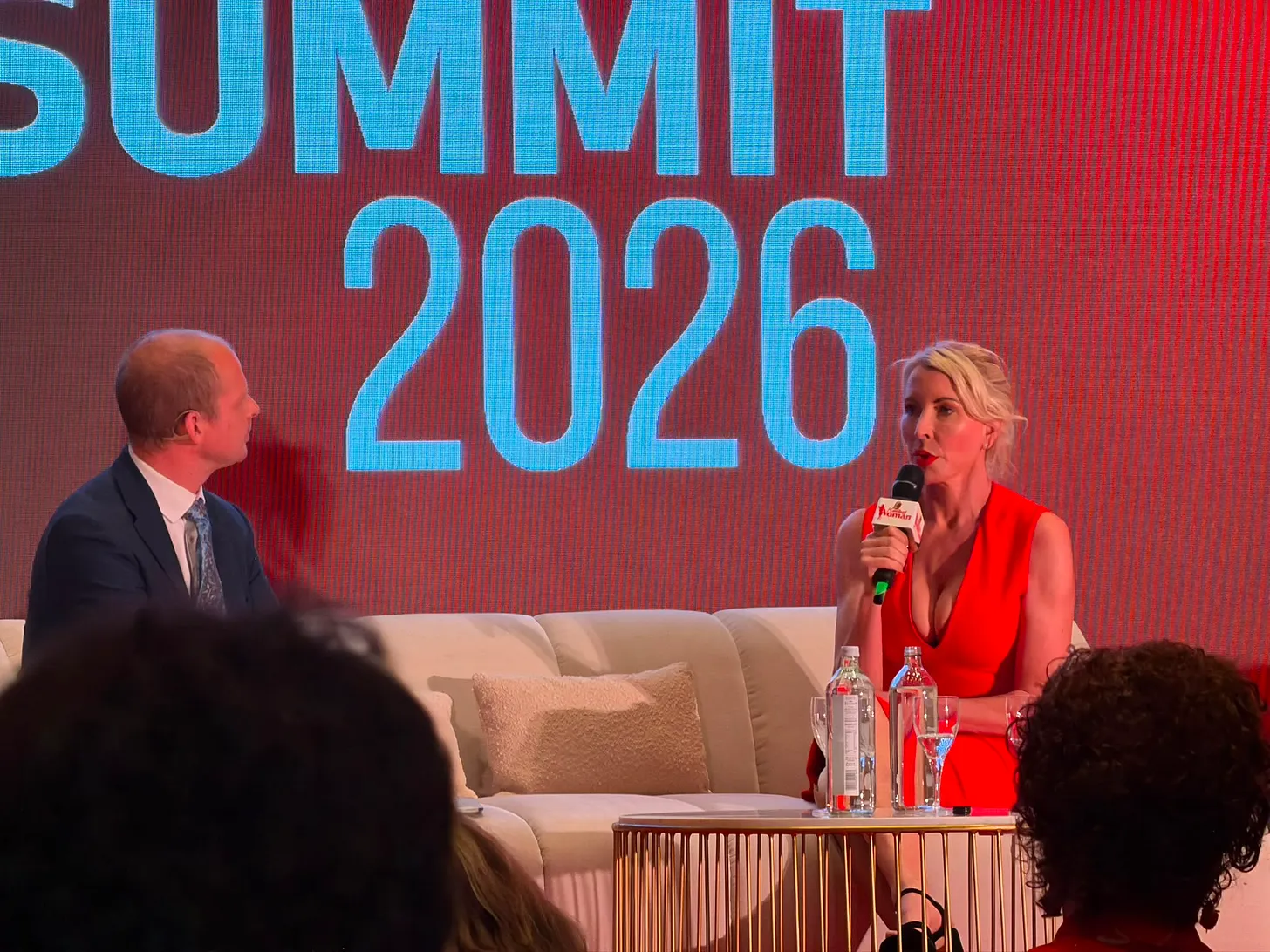
Wendel opened by acknowledging his own preconceptions, formed over twenty years of headlines and dismantled within minutes of meeting her by chance at Gulfood in Dubai five years ago. Asked to describe the woman behind the coverage, Mills was characteristically unsentimental. She finds self-analysis difficult, prefers to work on her faults rather than catalogue her strengths, and credits patience as the quality she has most improved. Her summary of herself was blunt: hard as steel in business, soft as marshmallow in her personal life. She was, by her own admission, poor at relationships until she found the right partner at fifty, and she echoed a theme running through the summit, that a partner who is not threatened by a successful woman is harder to find than it should be.
Turning adversity into infrastructure
The most striking thread of the conversation was Mills’s method for processing misfortune, which is less a philosophy than an operating procedure. Each setback becomes an institution. Losing her leg at twenty five, after four years working in the former Yugoslavia, led to the creation of what she describes as the world’s largest landmine clearance and prosthetic assistance efforts. A decade of hostile press led her to investigate how the stories were being obtained, work that fed into the phone hacking settlements secured for people with no public voice. Contracting Lyme disease, which she says wiped out her microbiome and made her own vegan food intolerable, led to fourteen years of research into gut health.
She also described a habit of reframing delay and disruption as protection, citing the Corby train she took daily from her factory but missed while on holiday, and a United Nations helicopter in Sierra Leone she was too ill to board, which was later shot down. She said she has stopped becoming impatient at late trains and broken cars, and that accumulated scar tissue tends to arrive alongside the capacity to withstand it.
Asked whether she saw a higher hand in this, Mills declined the framing. She is not religious, she said, and questioned the assumption that God would be male. She believes instead in kindness and in the possibility of religions coming together, while arguing that too many create pretexts for war.
What drives all of it, she said, is injustice. Almost anything else can be thrown at her and dealt with, but injustice enrages her, and she traces that back to a childhood in which her mother left when she was nine and her father, whom she described as violent, went to prison when she was thirteen. She is candid that her motives are partly self-interested. She has never taken drugs, and giving is the addiction she has instead: the pull of making a change. That led her to the subject of extreme wealth, where she was pointed. If more billionaires became addicted to giving, she suggested, there would be fewer billionaires, and she questioned why anyone needs to be one while so many people go without help.
The Shadowing Test
Mills offered an illustration of how she handles people. A new recruit on her production line complained loudly about the boss she had not recognised working beside her for six hours. Rather than dismiss her, Mills invited her to shadow a week of four in the morning starts across four countries. She lasted three days, and has now been with the company for nine years.
Her advice: learn from mistakes rather than repeating them, stop blaming others, choose the people around you carefully, and do not force a good employee into the wrong role.
From Cafés to Gut Health
On the commercial side, Mills traced a deliberate progression. Free vegan cafés placed next to McDonald’s outlets in 2007 were, she said, always a limited business, intended to shift behaviour rather than scale. Once vegan options became standard, she sold the cafés and expanded manufacturing, positioning V Bites as a supplier to restaurants, hotels and retailers across twenty four countries, with V Bites Ventures now investing in smaller plant based companies that struggle to reach scale. Roughly eighty per cent of profits, she said, go to charity.
The current focus is No Bloat, a low FODMAP gut health range she describes as the product of a fourteen year study, now sold in the United States, awarded at Gulfood and used in Montefiore hospitals for aftercare patients. She was firm that stress is the primary driver of illness and that food should be the thing that heals rather than another layer of load, and she urged the audience to give up dairy, citing her work with Professor T. Colin Campbell of The China Study. Those are her claims, and she makes them without hedging. What is harder to dispute is the pattern behind them.