

In a stunning escalation that reshaped the Middle East within minutes, Israel carried out a sweeping series of coordinated strikes inside Iran on Saturday, eliminating dozens of senior regime officials, including Supreme Leader Ayatollah Ali Khamenei. Officials said the strikes hit a high-level gathering in Tehran, catching Iran’s leadership completely off guard.
The Israel Defense Forces said it targeted several locations across the capital “in which senior officials of the Iranian defense establishment had gathered.”
According to a senior Israeli security official, more than 40 senior Iranian security and regime figures were killed.
The official described the assault as one of the largest “decapitation operations” ever executed in modern warfare, adding that Israeli intelligence had penetrated deep into Iran’s security network, enabling precise targeting.
Supreme Leader Among Those Confirmed Dead
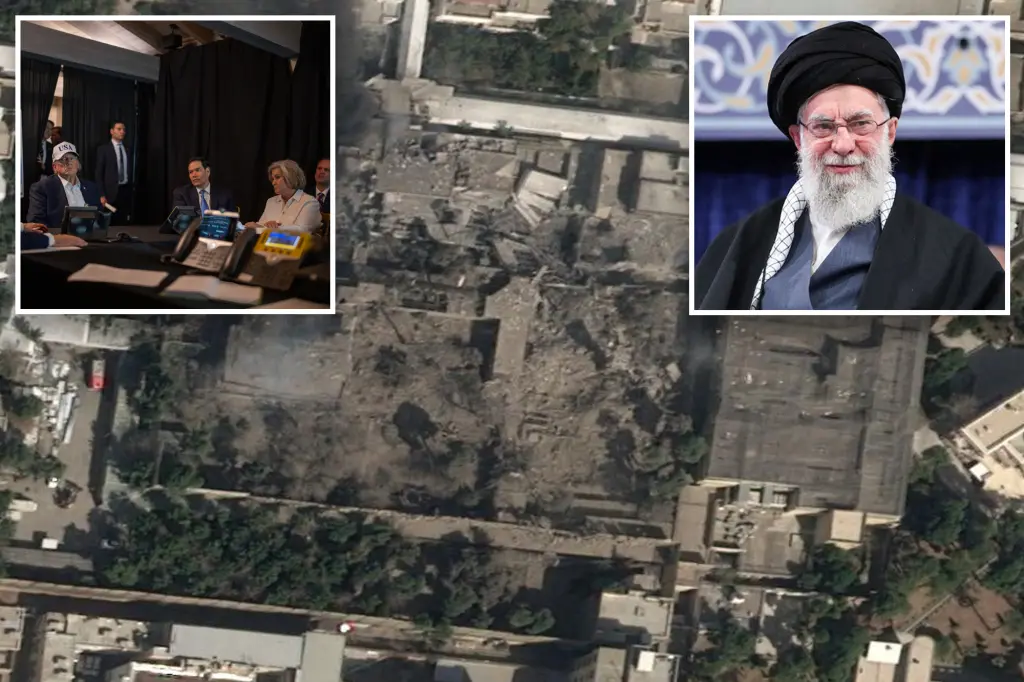
President Donald Trump publicly confirmed Khamenei’s death shortly after the strikes.
“Khamenei, one of the most evil people in History, is dead,” Trump wrote in a Truth Social post.
“This is not only Justice for the people of Iran, but for all Great Americans, and those people from many Countries throughout the World, that have been killed or mutilated by Khamenei and his gang of bloodthirsty THUGS.”
The strike hit as Iran’s top leadership convened at a Tehran compound on Saturday morning, an apparent moment of rare concentration of power.
A senior U.S. defense official noted just how unexpected the timing was.
“This was a massive, wildly bold daytime attack,” the official said. “It caught the senior leadership off guard, a Saturday morning during Ramadan and on Shabbat in the daytime.”
Another source added that planners accelerated the strike window when an unexpected opening emerged. “There was a deliberate decision to accelerate the timeline,” the source said.
Key Power Brokers Eliminated
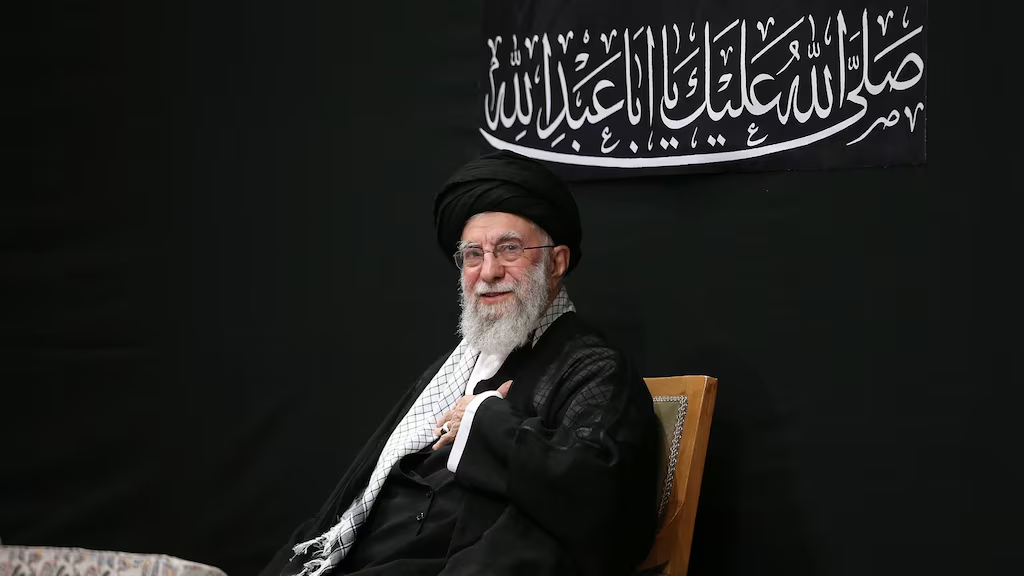
The IDF confirmed that Ali Shamkhani, the influential secretary of the Iranian Security Council and one of Khamenei’s closest advisers, was among the dead.
Mohammad Pakpour, commander of the Iran Revolutionary Guard Corps since Operation Rising Lion and one of the architects of Iran’s “destruction of Israel” project, was also killed.
Additional high-ranking officials reported dead include:
- Saleh Asadi, head of the Intelligence Directorate of the Khatam al-Anbiya emergency command
- Mohammad Shirazi, chief of Khamenei’s Military Bureau since 1989
- Aziz Nasirzadeh, Iran’s defense minister
- Hossein Jabal Amelian, who oversaw nuclear, biological, and chemical weapons-related projects
- Reza Mozaffari-Nia, a previous chair of the same weapons-development organization
The IDF released images of several of the targets, marking one of the most far-reaching blows ever dealt to the Iranian regime’s leadership structure.
Daylight Strikes Deliver Early Impact
The attack’s timing was a critical factor. Israel rarely conducts such high-level operations during full daylight due to the risks involved. But officials said the opportunity was too significant to pass up.
“We hit the senior leaders right out of the gate,” the senior U.S. defense official said.
By striking when Iran’s leadership was gathered in one place—and during a time when they were least expecting an attack—Israel ensured maximum disruption of the regime’s command chain.
A Regime Without Its Center of Gravity
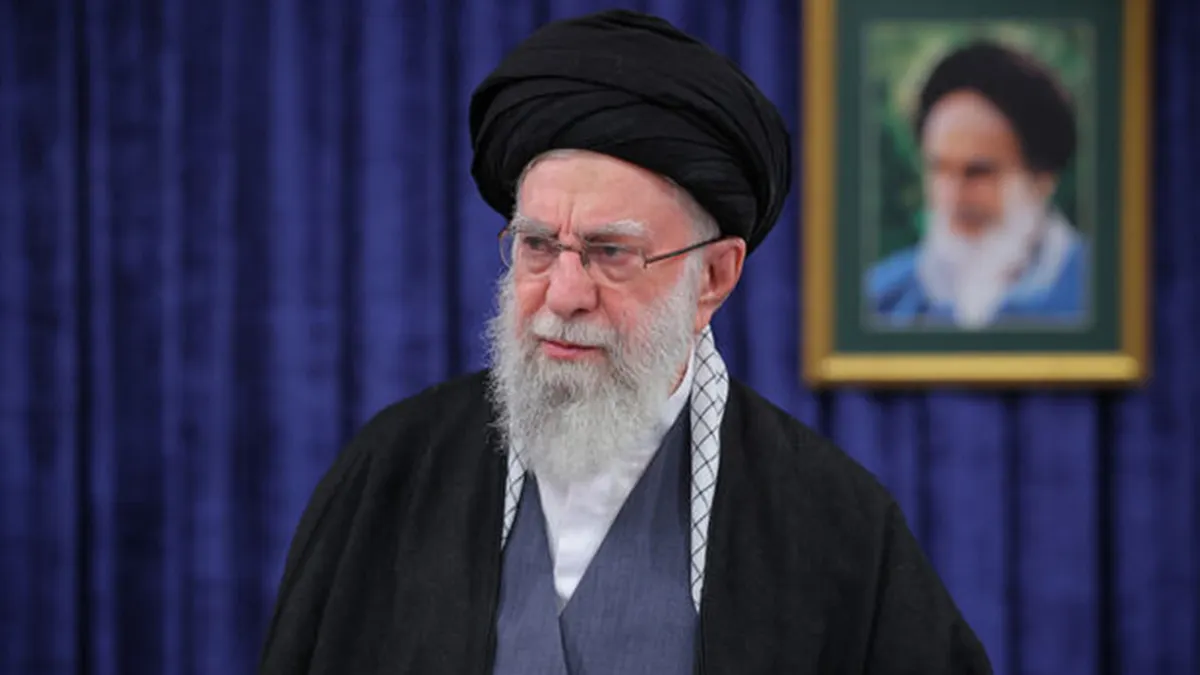
With Khamenei and many of his closest advisers gone, intelligence analysts expect Iran to face a profound power vacuum. The country’s complex structure traditionally relies on a tight hierarchy centered around the supreme leader, making this operation one of the most consequential in its history.
Although Iranian authorities have not yet issued a formal, unified response, regional observers say the country’s already fragile political atmosphere has likely been thrown into disarray.