

Cuba was thrown into chaos on Monday after a sudden and complete collapse of its national electrical grid left the entire island in darkness. For a brief but critical period, nearly 10 million residents were without power, highlighting the deepening crisis gripping the country’s fragile energy system.
Nationwide Outage Leaves Millions In Darkness
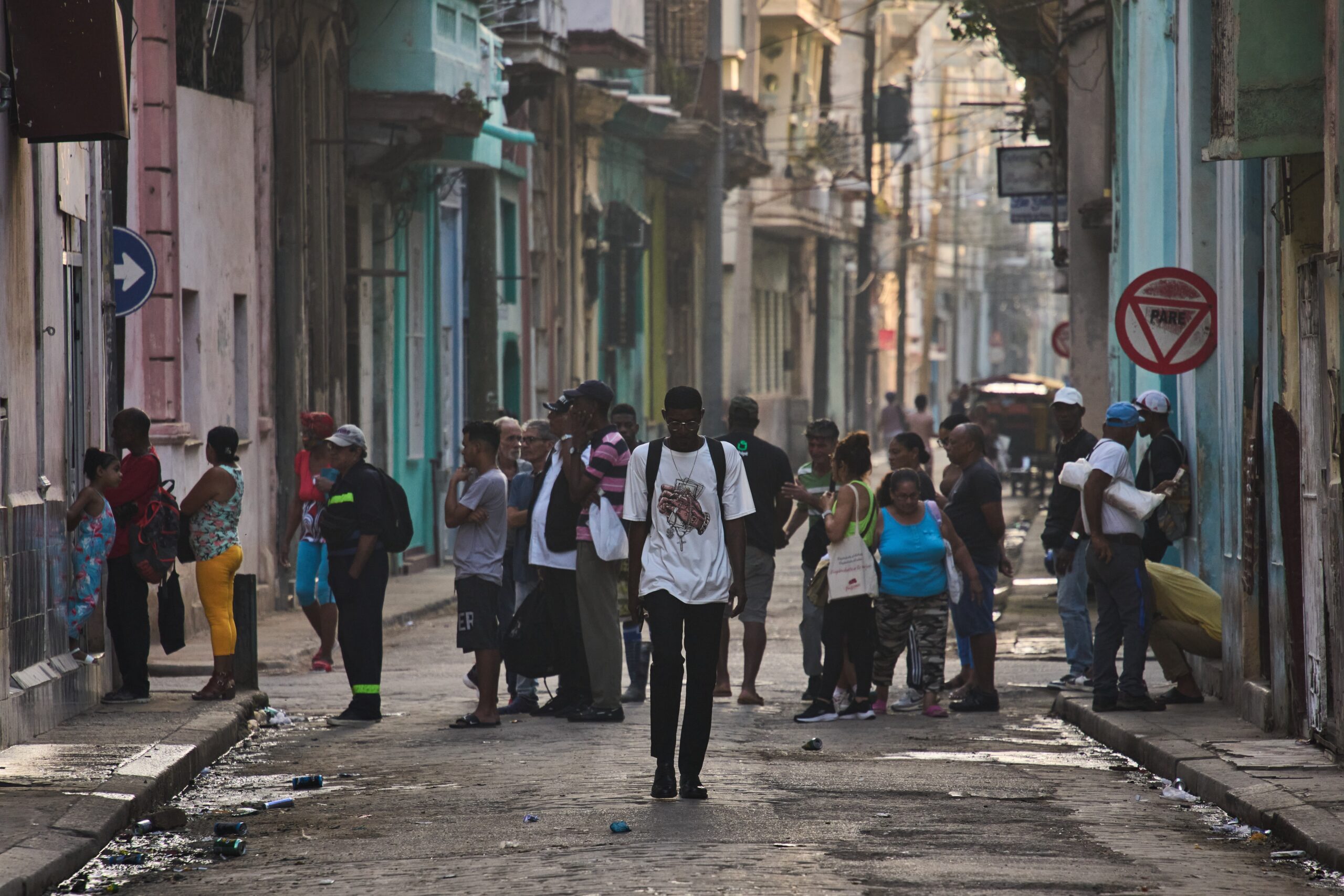
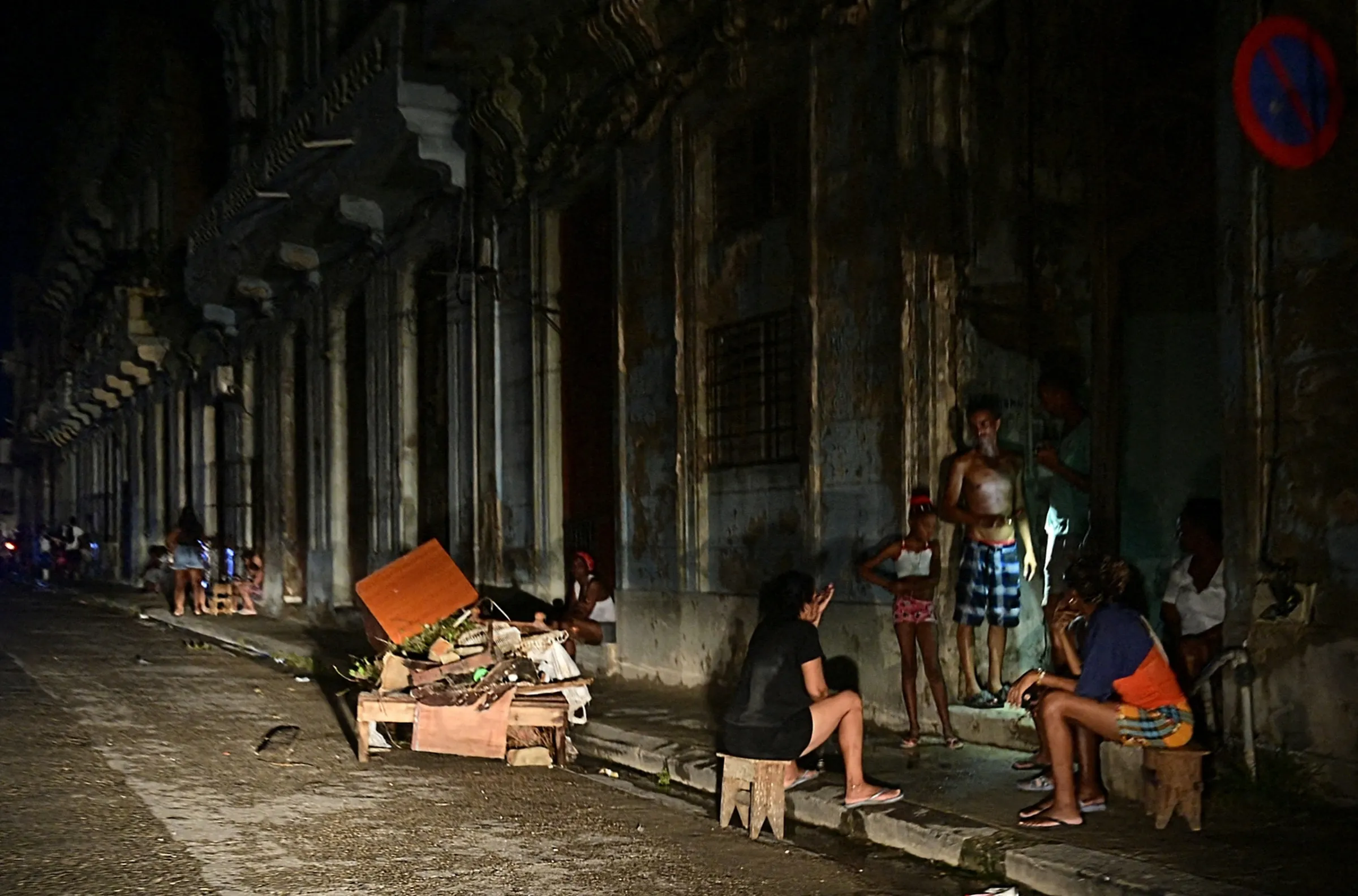
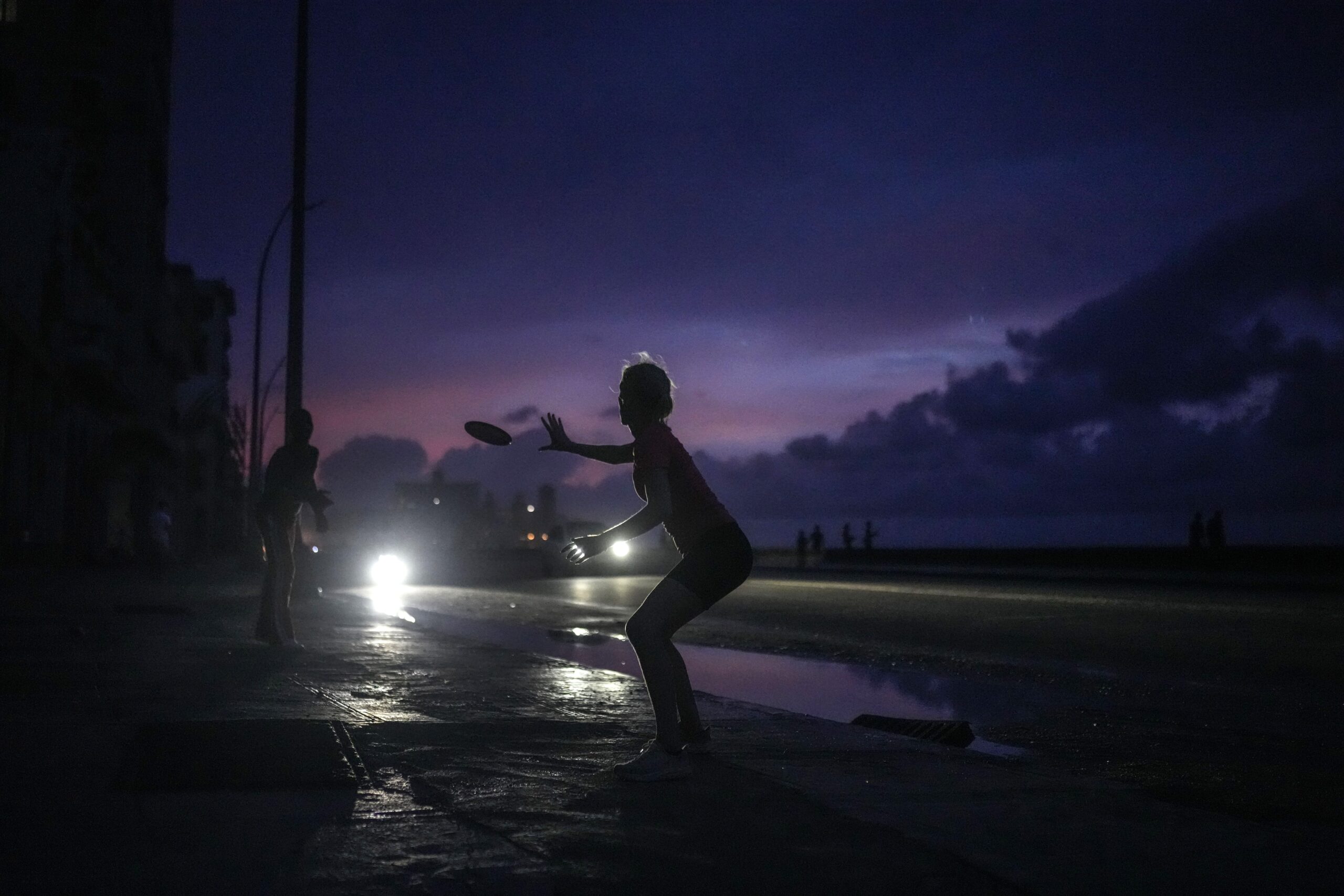
The blackout struck without warning, cutting electricity across major cities, including Havana. Streets went dark, homes lost power, and essential services were immediately disrupted.
“At 1:54 p.m. local time, there was a disconnection of the national electrical grid resulting in a complete power outage across Cuba which includes the Havana metropolitan area,” the U.S. Embassy in Cuba said.
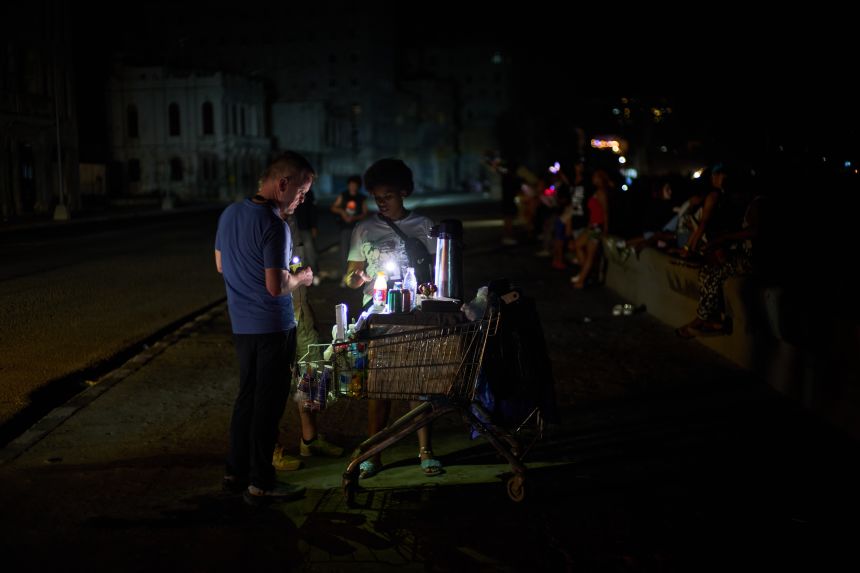
Meanwhile, scenes of confusion unfolded across the island as residents struggled to cope with the sudden outage. Traffic stalled, communication networks faltered, and families were left scrambling for alternatives.
Restoration Efforts Begin Amid Uncertainty
Authorities quickly moved to address the crisis, though full restoration remains uncertain. Crews have been working around the clock to bring electricity back online, with some areas slowly seeing power return.
“The causes are being investigated and protocols for restoration are beginning to be activated,” the Ministry of Energy and Mines of Cuba said Monday afternoon, referring to the island’s disrupted National Electrical System of Cuba.
Still, officials have not provided a clear timeline for full recovery, leaving many residents bracing for continued disruptions.
Long-Standing Energy Crisis Worsens
Cuba’s electrical grid has been under strain for years. Aging infrastructure, persistent fuel shortages, and economic restrictions have created a system vulnerable to collapse.
In recent months, the situation has worsened. Power outages have become routine, affecting water supply, food storage, and communication networks. For many Cubans, blackouts are no longer rare events but part of daily life.
“Officials in the US gov must be feeling very happy by the harm caused to every Cuban family,” Cuban Deputy Minister for Foreign Affairs Carlos F. de Cossio said in response to Monday’s blackout.
Fuel Shortages And Policy Pressures
The crisis has been further intensified by a severe lack of fuel. Cuban President Miguel Díaz-Canel confirmed last week that the country has not received fuel shipments for months, forcing authorities to rely more heavily on alternative sources.
As a result, energy production has increasingly depended on renewables, though these efforts have yet to fully stabilize the system.
Push Toward Renewable Energy Gains Urgency
Officials had already been accelerating renewable energy projects before the blackout. A solar initiative in Villa Clara was recently highlighted as a critical step toward energy independence.
“Amid a context of severe energy constraints and a recurring economic lockdown, #Cuba takes another firm step towards electric sovereignty,” the Villa Clara Electric Company said Monday morning.
“This connection comes at a critical time: Washington maintains severe restrictions on our country’s access to fossil fuels, funding and technology. Betting on renewables isn’t just environmental — it’s a national security necessity.”
That said, transitioning to renewable energy is a long-term solution. For now, the island remains heavily dependent on a strained and outdated grid.
Public Frustration Boils Over
The blackout comes just days after a wave of public unrest tied to ongoing power shortages. In a rare show of defiance, protesters reportedly targeted a Communist Party office in Morón.
What began as a peaceful gathering quickly escalated. Demonstrators hurled rocks, shouted “liberty,” and set fires outside the building.
The unrest signals growing frustration among citizens who have endured months of rolling outages and worsening living conditions.
Residents Urged To Conserve Power
As restoration efforts continue, officials are urging residents to limit electricity use once service returns.
“leaving only essential devices powered on until service stability is restored,” the Villa Clara Electric Company said.
For many on the island, however, the question remains: how long can the system hold before another collapse occurs?