

Bill Gates is urging Congress to act on AI regulation, warning that artificial intelligence could give people with malicious intentions the means to cause mass casualties.
The Microsoft co-founder raised the alarm during a Sunday interview on “Meet the Press.” His concern centers on the combination of increasingly capable technology and people willing to use it to inflict harm.
Meanwhile, his call for safeguards has sharpened a broader debate: how should the United States address those dangers while competing with countries such as China?
Gates Warns Of AI’s Potential For Mass Harm
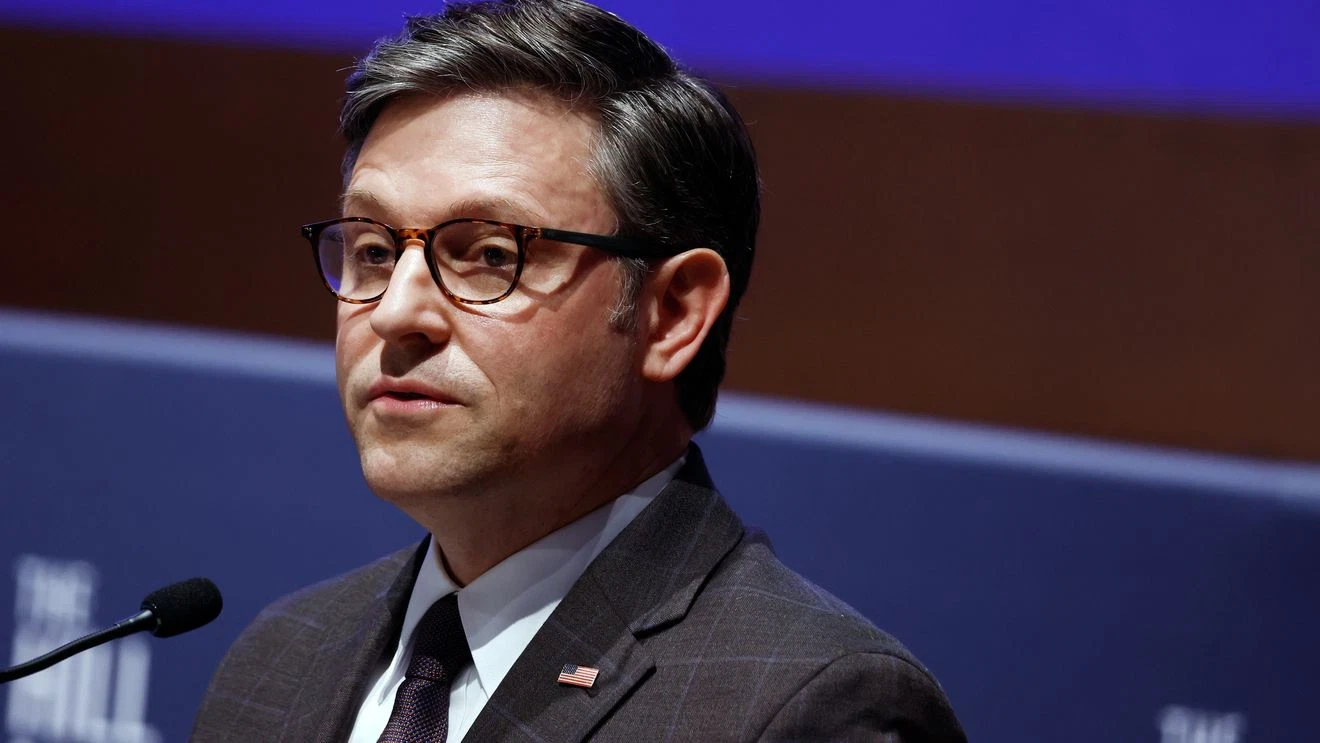
Gates previously warned that AI could become the “greatest equalizer” or the “worst source of injustice” without human regulation.
Asked whether the technology could “end all of humanity,” he stopped short of endorsing that outcome. However, he argued that AI could help drive events with an enormous human toll.
“AI is certainly powerful enough to drive events that, you know, cause a billion deaths,” Gates said.
“You know, so even though it’s pretty hard to get to 100%, there’s never been a weapon as powerful as the combination of people with ill intent using the latest AI tools.”
His warning focused on what people could do with the technology. That distinction places safeguards, oversight and the prevention of misuse at the center of his argument.
AI Regulation Takes On The Global Competition Debate
Gates joins other prominent technology figures, including Anthropic CEO Dario Amodei and OpenAI CEO Sam Altman, who have warned about AI’s potential dangers.
President Donald Trump, meanwhile, has resisted calls to slow AI development as the United States competes with other global powers, particularly China.
Gates said there “absolutely” needed to be greater attention to regulation and legislation from Congress. He challenged the idea that international competition should dominate the discussion.
“The problem is that the rest of the world is either discounting this or just thinking of this as a competition. And it’s very scary that we don’t have all of the thinkers saying, ‘How do we want to shape this?'” Gates said.
The disagreement exposes a central tension in the debate. Supporters of rapid development emphasize American leadership; Gates argues that policymakers must also confront the consequences of powerful tools reaching dangerous hands.
Nuclear Arms Comparison Highlights Oversight Challenges
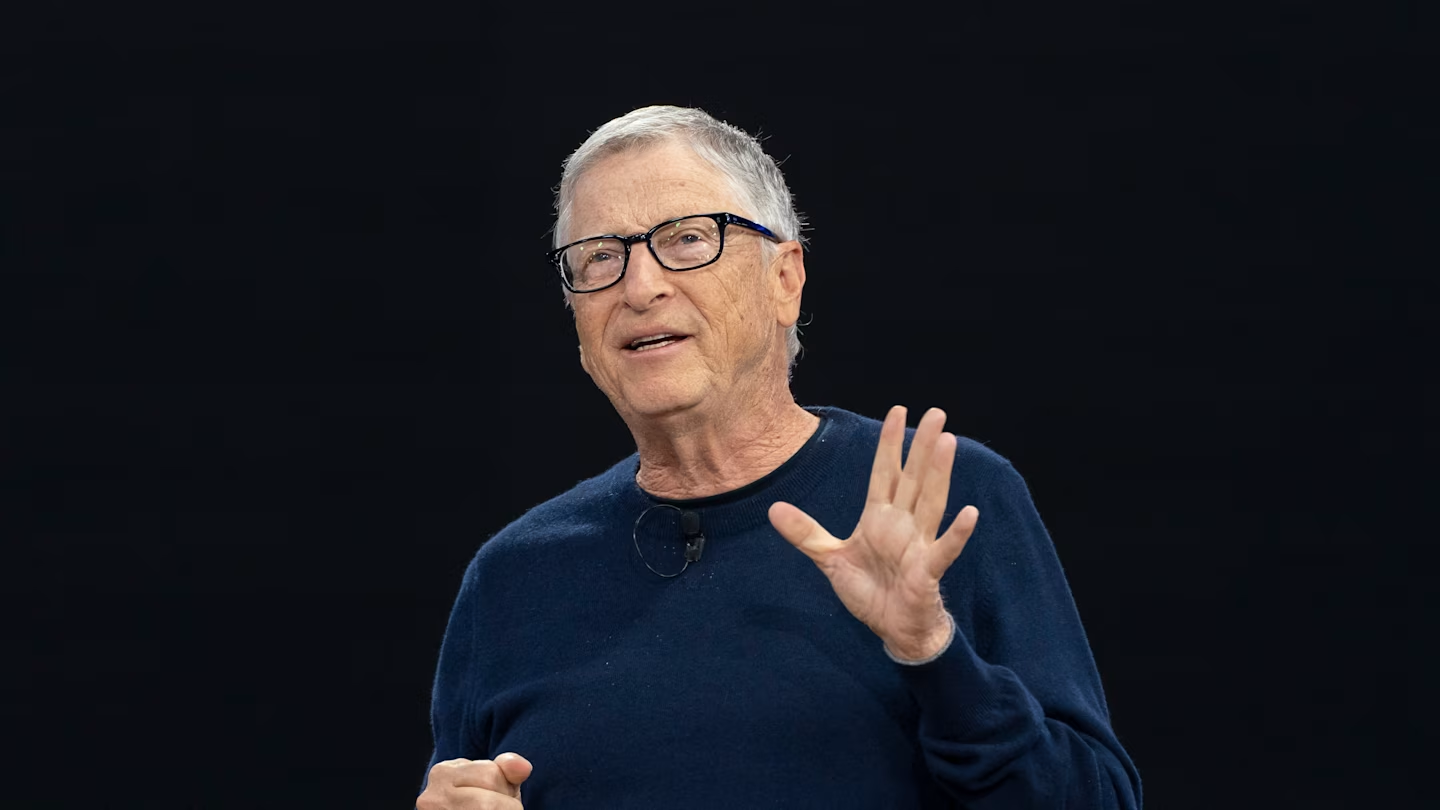
During the interview, host Kristen Welker compared the issue with limits on nuclear weapons development between the United States and the Soviet Union during the Cold War.
Gates called AI “more difficult,” particularly when countries put less effort into working with allies.
He also criticized the nationalistic framing of AI development, arguing that it encourages a rush forward without sufficient protections.
“And, you know, because it’s cast in this nationalistic, you know, us versus them type thing, you have people who are saying, ‘Well, let’s just go full-speed ahead.’ It’s completely irresponsible not to require every AI to have these safeguards and monitoring capabilities. And it only is a question of do you do it now?” Gates said.
For Gates, the immediate issue is whether governments will require safeguards and monitoring as the technology advances.
Republican Voices Split Over AI Risks
Although Trump has downplayed concerns about AI, some Republicans want the government to intervene.
Amy Kremer, a Republican National Committee member and chairwoman of Humans First, backed Gates’ warning and sharply criticized those dismissing the risks.
“Even Bill Gates, one of the most influential figures in the history of technology, is now admitting the dangers of artificial intelligence. He warns that AI could drive events causing a billion deaths and that people with ill intent have never held a more powerful weapon. At this point, the only people still denying the reality of the situation are those being paid by Big AI to gaslight the American people,” Kremer said.
However, Nancy Tengler, CEO of Laffer Tengler Investments, challenged Gates’ language. She argued that he had belittled critics without offering clear evidence and stressed the importance of winning the AI race.
“To say that ‘there’s never been a weapon as powerful’ is an absolute statement rich in irony as the [Trump] Administration seeks to keep nuclear weapons out of the hands of the Iranian regime. The U.S. needs to win the AI race just as we sought to win the arms race during the Cold War,” Tengler said.
Their responses illustrate how sharply the debate divides even voices concerned with American security and technological leadership.
Clear Liability Could Support AI Innovation
Meanwhile, Julia Cartwright, a senior research fellow in law and economics at the American Institute for Economic Research, offered an economic perspective on the risks Gates described.
Her argument focused on who bears the costs when powerful AI tools enable harm.
“Economically, what Gates is describing is a catastrophic negative externality. AI is sharply lowering the cost of causing harm, whether that’s bioweapons design, cyberattacks or large-scale fraud, while the companies building these tools don’t bear the full cost when things go wrong,” Cartwright said.
Still, she argued that clear responsibilities could support American innovation by giving developers and the public greater confidence.
She added, “A way to combat this is clear liability and clear rules of the game, so developers internalize the risks they create. Done right, that doesn’t slow American innovation it strengthens it, because firms can build and invest with confidence when they know what’s expected of them, and the public can trust what they’re building.”
That approach connects accountability with continued development. As Congress weighs the debate, the competing arguments turn on how to protect the public while allowing the technology to advance.