

A wounded U.S. airman stranded deep inside Iran, hunted by enemy forces and running out of time, sparked one of the most intense rescue operations in recent military history. What unfolded over the next 48 hours was a complex blend of intelligence, deception, and raw firepower.
As new details emerge, the operation is being framed not just as a rescue, but as a calculated show of military precision under extreme pressure.
CIA Deception Campaign Bought Critical Time
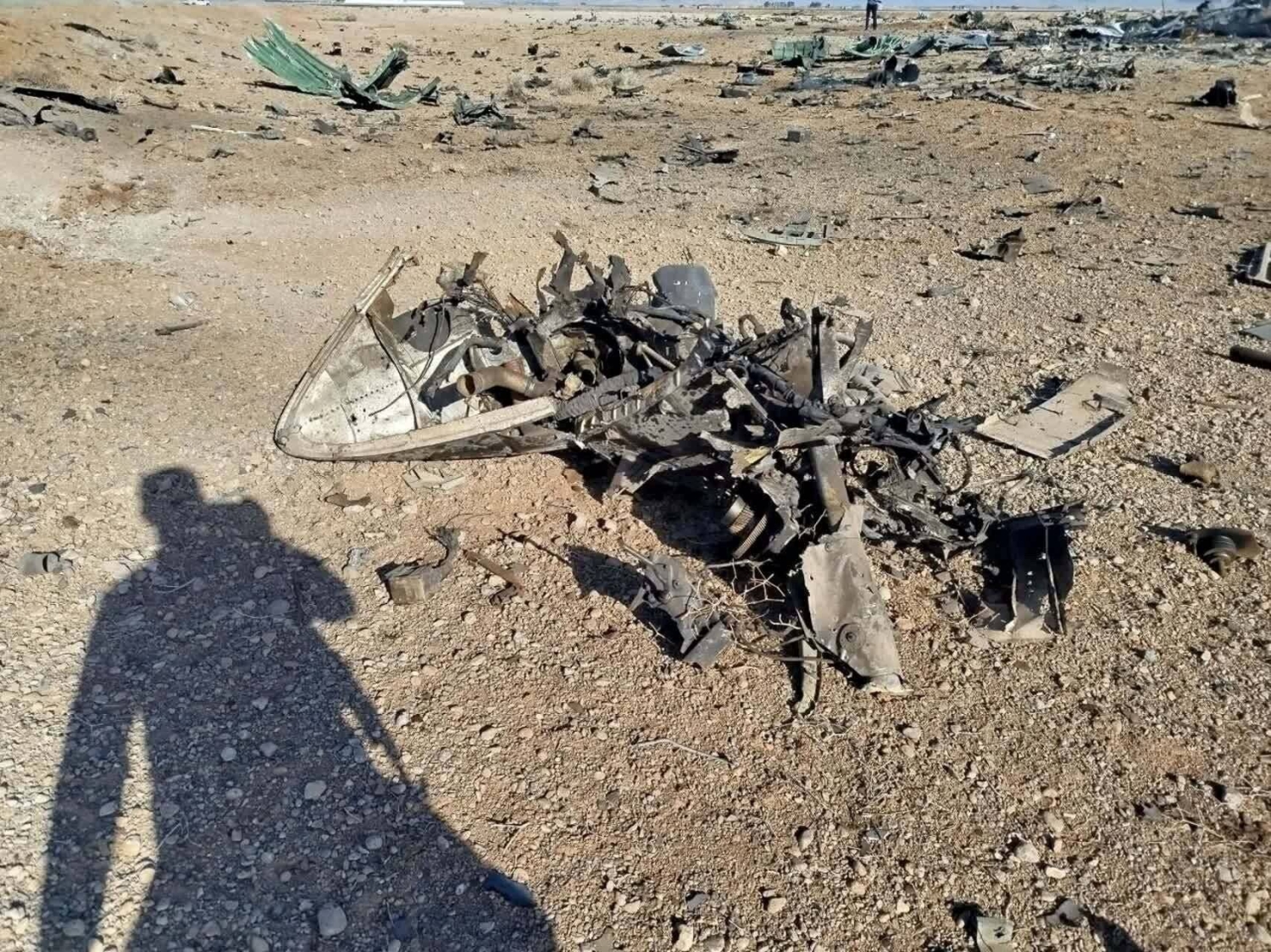
Behind the scenes, intelligence agencies moved quickly to mislead Iranian forces. According to senior officials, the CIA launched a carefully crafted deception campaign designed to shift attention away from the real target.
The agency circulated information suggesting U.S. forces had already recovered one of the two airmen and were extracting him via a separate maritime route. However, this narrative was intentionally false.
The goal was simple: buy time.
Meanwhile, intelligence teams worked urgently to locate the second crew member, a weapons systems officer who had been stranded since ejecting from the downed F-15.
Distress Signal Raised Fears Of A Trap
The turning point came when the CIA intercepted a distress beacon. Yet, instead of immediate action, caution took over.
“There was a lot at stake here,” the source said.
Officials initially feared the signal could be a trap set by Iranian forces. That hesitation reflects the razor-thin margin between rescue and disaster in such operations.
However, by Saturday morning, the CIA confirmed the signal was genuine. That confirmation triggered rapid coordination at the highest levels of government.
CIA Director John Ratcliffe briefed Secretary of War Pete Hegseth, Joint Chiefs Chairman Gen. Dan “Raizin'” Caine, and ultimately President Donald Trump.
What followed was swift.
“Within eight hours, we had planes in motion,” the source said. “Within almost 12 hours we were on the ground in Iran.”
Firepower And Drones Secured The Rescue Zone
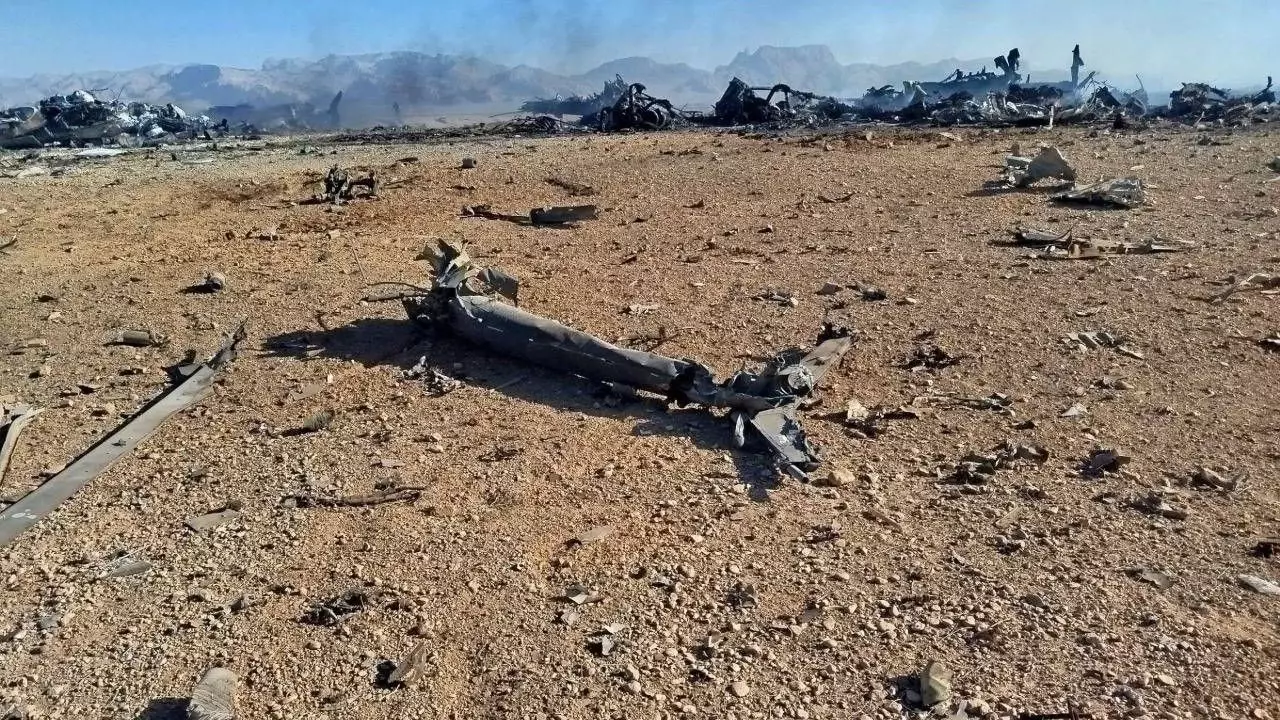
Once boots were on the ground, the mission shifted into full combat mode.
The U.S. deployed MQ-9 Reaper drones to monitor and secure the area where the airman was hiding. These drones were authorized to strike any approaching threats, including hostile forces or even civilians moving too close to the operation.
At the same time, U.S. forces launched large-scale airstrikes to dominate the surrounding airspace.
“We executed multiple large-scale strikes in the surrounding area using every tactical jet in the U.S. inventory and B-1 Bombers to keep him safe,” according to a senior U.S. official.
The message was clear: no one was getting near that airman.
Trump Hails Operation As Historic
President Donald Trump publicly celebrated the mission, emphasizing both its difficulty and success.
“We have rescued the seriously wounded, and really brave, F-15 Crew Member/Officer, from deep inside the mountains of Iran,” Trump wrote Sunday morning on Truth Social, announcing an Oval Office news conference set for 1 p.m. ET Monday. “The Iranian Military was looking hard, in big numbers, and getting close.”
He also highlighted the rarity of such operations.
“This type of raid is seldom attempted because of the danger to ‘man and equipment.’ It just doesn’t happen!” Trump said. “The second raid came after the first one, where we rescued the pilot in broad daylight, also unusual, spending seven hours over Iran. An AMAZING show of bravery and talent by all!”
Earlier, he had already framed the mission as historic.
“My fellow Americans, over the past several hours, the United States Military pulled off one of the most daring Search and Rescue Operations in U.S. History, for one of our incredible Crew Member Officers, who also happens to be a highly respected Colonel, and who I am thrilled to let you know is now SAFE and SOUND!” Trump wrote Saturday night on Truth Social.
The president underscored the constant surveillance and planning behind the scenes.
“This brave Warrior was behind enemy lines in the treacherous mountains of Iran, being hunted down by our enemies, who were getting closer and closer by the hour, but was never truly alone because his Commander in Chief, Secretary of War, Chairman of the Joint Chiefs of Staff, and fellow Warfighters were monitoring his location 24 hours a day, and diligently planning for his rescue,” he said.
Conflicting Claims And Regional Tensions Rise
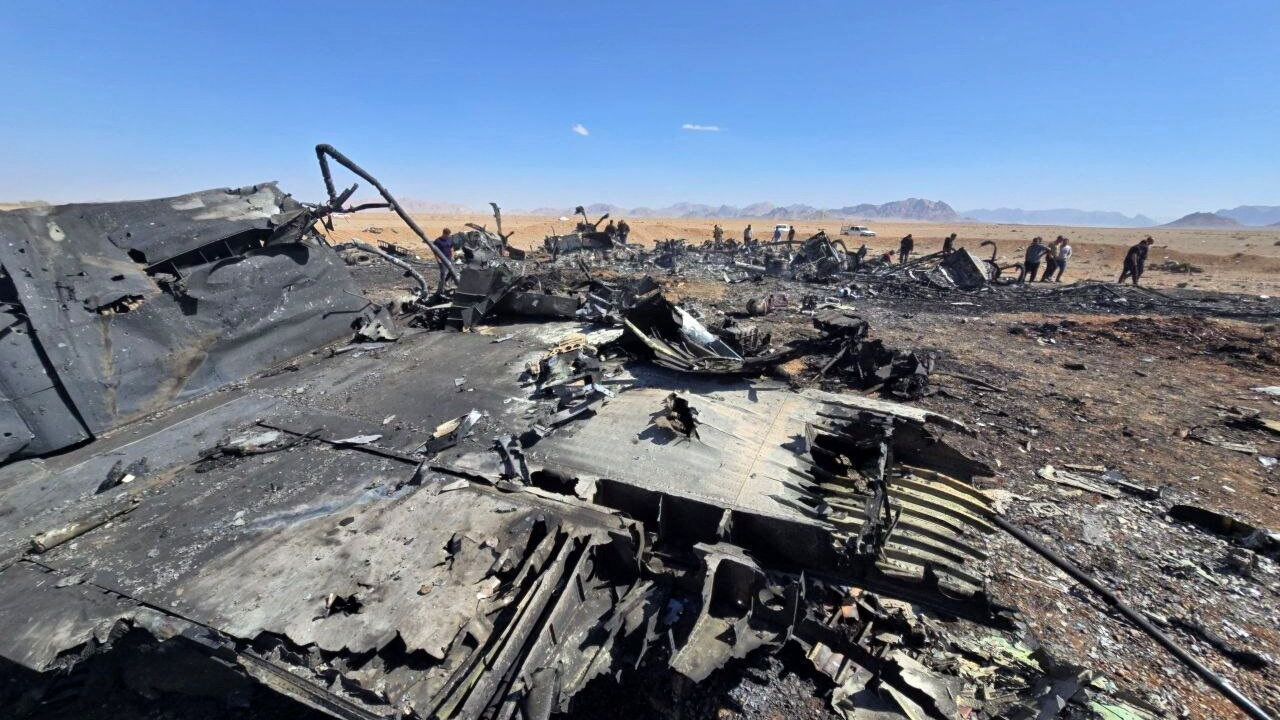
While the U.S. celebrated success, Iran pushed a different narrative.
Iran’s Islamic Revolutionary Guards claimed that several U.S. aircraft were destroyed during the rescue attempt, including a C-130 transport plane and two Black Hawk helicopters. These claims remain unverified.
Meanwhile, Israeli intelligence reportedly played a crucial supporting role. An Israeli security official indicated that their input helped confirm the airman’s location and rule out the possibility of a trap. In addition, Israeli forces paused attacks in the area to support the mission.
Israel’s leadership praised the outcome.
“All Israelis rejoice in the incredible rescue of a brave American pilot by America’s dauntless warriors,” Israel Prime Minister Benjamin Netanyahu wrote in a statement Sunday morning. “This proves that when free societies muster their courage and their resolve, they can confront seemingly insurmountable odds and overcome the forces of darkness and terror.”
High Stakes Extend Beyond The Rescue
The operation unfolded against a backdrop of rising regional tensions and strategic pressure.
Trump, facing a 10-day deadline tied to reopening the Hormuz Strait for oil shipments, issued a stark warning following the mission.
“Tuesday will be Power Plant Day, and Bridge Day, all wrapped up in one, in Iran,” Trump wrote on Truth Social. “There will be nothing like it!!!
“Open the F–in’ Strait, you crazy bastards, or you’ll be living in Hell – JUST WATCH! Praise be to Allah,” he added.
That statement signals the rescue may be just one chapter in a much broader confrontation.