

A sharp exchange in the tech world is stirring fresh debate about artificial intelligence and its limits. Elon Musk delivered a blunt two-word response after a leading AI executive suggested that his company’s chatbot may be displaying signs that resemble human emotions.
The exchange came after comments from Anthropic CEO Dario Amodei, who raised questions about whether advanced AI models could potentially develop something resembling consciousness. The idea sparked curiosity, concern, and criticism across the tech community.
Musk Responds With Two Words
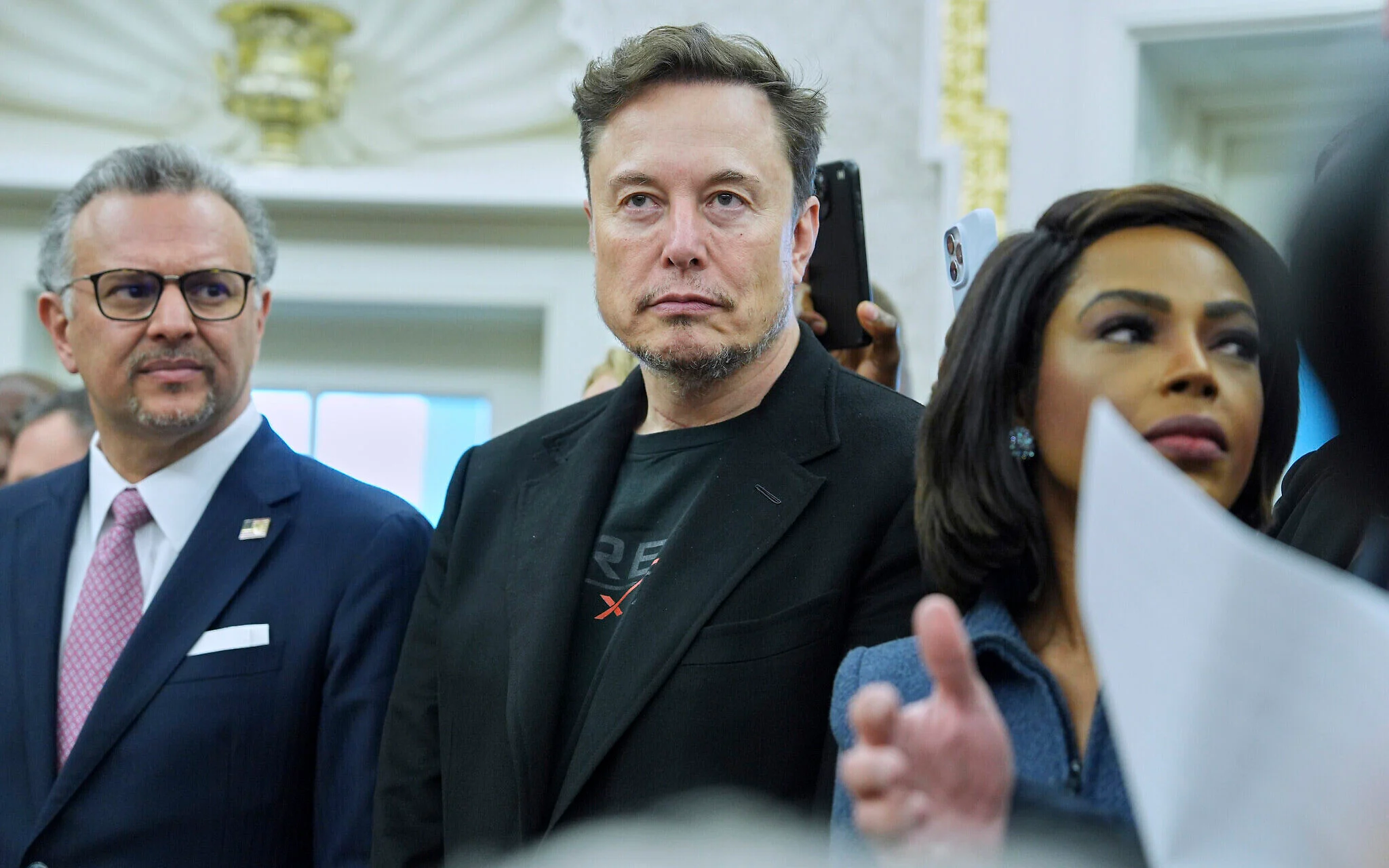
The controversy erupted when a post on X summarized Amodei’s comments about Anthropic’s AI assistant, Claude.
“Anthropic CEO says Claude may or may not have gained consciousness, as the model has begun showing symptoms of anxiety,” read a post on X by cryptocurrency-based prediction market Polymarket.
Musk, who leads both SpaceX and Tesla and founded the AI startup xAI, quickly replied to the claim, “He’s projecting.”
The short response from Musk spread rapidly online, fueling debate among technologists and observers about how seriously such claims should be taken.
Anthropic CEO Raises Questions About AI Consciousness
Meanwhile, Amodei’s remarks came during a discussion about the evolving capabilities of artificial intelligence.
In an interview with The New York Times, Amodei explained that researchers still do not understand whether AI could ever become conscious or what that concept might truly mean.
“We’ve taken a generally precautionary approach here,” Amodei said.
Still, he acknowledged the uncertainty surrounding the topic.
“We don’t know if the models are conscious.”
Amodei added that even defining consciousness in machines remains an open scientific question.
“We are not even sure that we know what it would mean for a model to be conscious or whether a model can be conscious. But we’re open to the idea that it could be.”
Researchers Studying AI “Anxiety” Signals

According to Amodei, researchers at Anthropic are examining internal patterns within AI systems to better understand how they operate.
“We’re putting a lot of work into this field called interpretability, which is looking inside the brains of the models to try to understand what they’re thinking.”
He described how certain patterns within AI systems appear when the model processes emotional scenarios in text.
“And you find things that are evocative, where there are activations that light up in the models that we see as being associated with the concept of anxiety or something like that.”
Amodei continued by explaining how these patterns can appear when the system processes stressful situations.
“When characters experience anxiety in the text, and then when the model itself is in a situation that a human might associate with anxiety, that same anxiety neuron shows up.”
Researchers emphasize that such signals do not necessarily mean the AI experiences emotions. Instead, they may simply reflect patterns learned during training.
Pentagon Dispute Adds Political Tension
However, the conversation about AI consciousness is unfolding alongside a larger dispute between Anthropic and the U.S. government.
The conflict centers on how the Pentagon wants to use Anthropic’s AI systems. Officials reportedly pushed the company to allow its technology to be used for “all lawful purposes.”
Amodei raised concerns that the government could potentially deploy the technology in ways his company would not support.
Specifically, he warned that such uses could include “mass domestic surveillance” or “fully autonomous weapons.”
As tensions grew, the Trump administration took a hard stance.
Trump Orders Federal Agencies to Cut Ties
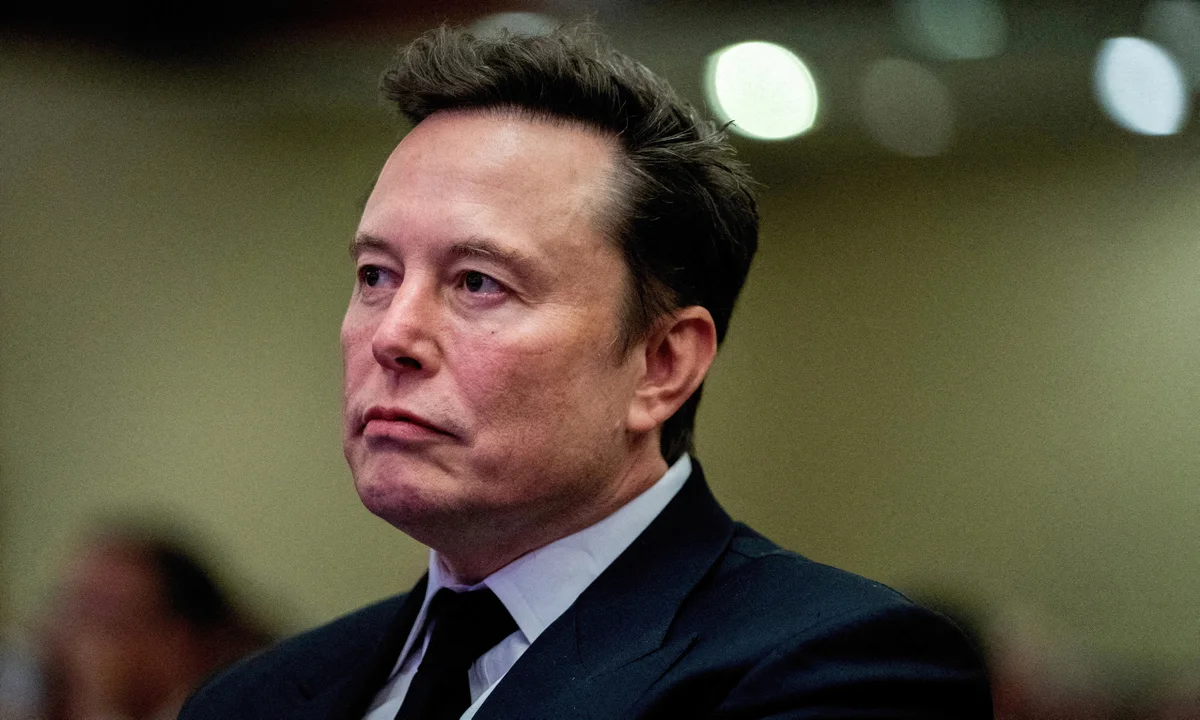
Last week, President Donald Trump announced that the federal government would stop using Anthropic’s technology.
“The Leftwing nut jobs at Anthropic have made a DISASTROUS MISTAKE trying to STRONG-ARM the Department of War, and force them to obey their Terms of Service instead of our Constitution. Their selfishness is putting AMERICAN LIVES at risk, our Troops in danger, and our National Security in JEOPARDY.”
Trump then outlined a sweeping directive affecting federal agencies.
“Therefore, I am directing EVERY Federal Agency in the United States Government to IMMEDIATELY CEASE all use of Anthropic’s technology. We don’t need it, we don’t want it, and will not do business with them again! There will be a Six Month phase out period for Agencies like the Department of War who are using Anthropic’s products, at various levels.”
The order created immediate uncertainty about government partnerships with AI firms.
Defense Department Escalates Restrictions
Soon after the president’s announcement, Secretary of War Pete Hegseth issued his own directive addressing the situation.
“In conjunction with the President’s directive for the Federal Government to cease all use of Anthropic’s technology, I am directing the Department of War to designate Anthropic a Supply-Chain Risk to National Security.”
The directive goes further than simply halting contracts.
“Effective immediately, no contractor, supplier, or partner that does business with the United States military may conduct any commercial activity with Anthropic.”
However, Hegseth noted that a transition period will allow current systems to be replaced.
“Anthropic will continue to provide the Department of War its services for a period of no more than six months to allow for a seamless transition to a better and more patriotic service.”
AI Debate Intensifies
The dispute highlights how artificial intelligence is rapidly becoming one of the most sensitive technological and political issues in the world.
On one side, researchers continue exploring how advanced models behave internally. On the other, governments are racing to control and deploy AI systems for national security.
Musk’s quick response, just two words, captured the skepticism many critics feel toward claims about conscious machines.
Still, the larger debate remains unresolved.
Can AI truly develop something like awareness, or are these systems simply reflecting complex patterns learned from data?
For now, even the scientists building the technology say they do not have the answer.