

President Trump’s decision to eliminate Ayatollah Ali Khamenei, Iran’s deaddeaddead supreme leader, marked one of the most consequential military responses in recent American history. The operation, announced early Saturday morning, also targeted several of Khamenei’s top loyalists inside the regime, all of whom were long tied to extremist violence.
The strike did not happen in a vacuum. It came after years of escalating threats, and in recent months the ayatollah’s public hostility had grown alarmingly blunt. Just two weeks ago, he took to X to boast about sinking American ships. Before the 2024 election, he even plotted to assassinate President Trump, going so far as to dispatch a hit team to U.S. soil armed with surface to air missiles. That attempt forced Secret Service teams to rely on a decoy aircraft to protect the president.
A Regime With Decades of American Blood on Its Hands
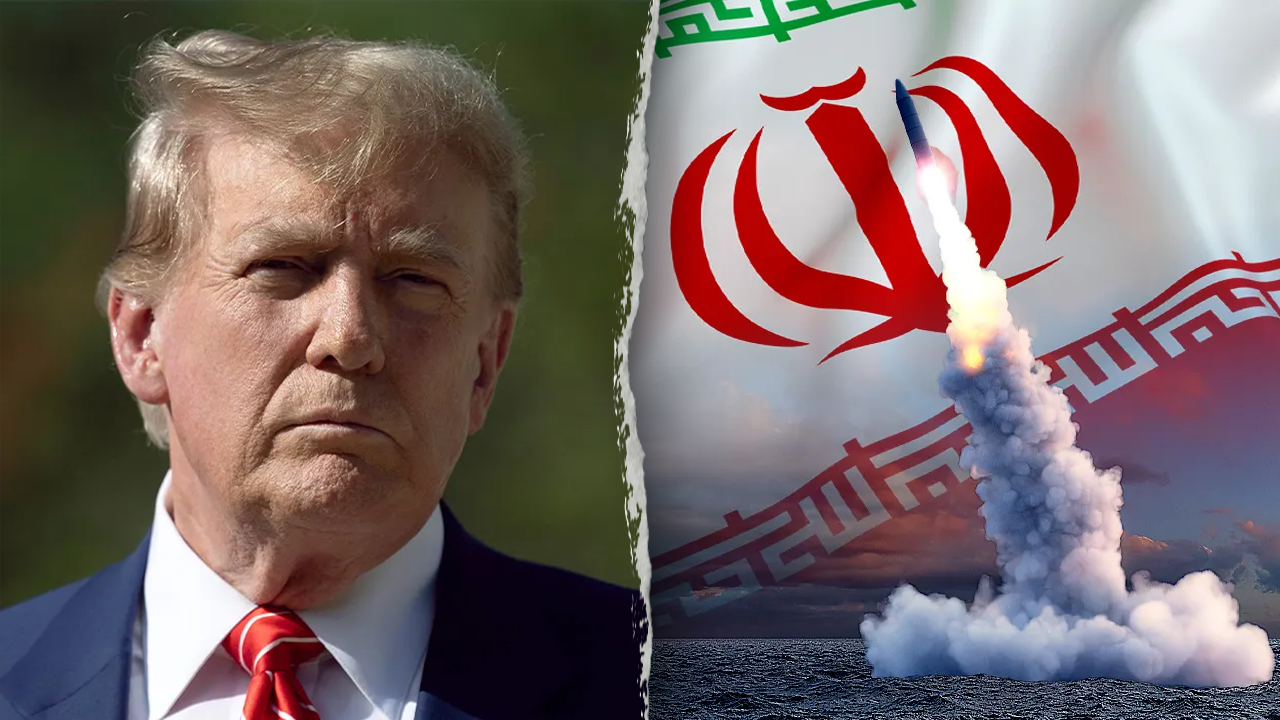
The ayatollah’s death may feel sudden, but the Iranian regime’s hostility stretches back nearly half a century. Since 1979, Tehran has carried out a long chain of violent attacks targeting Americans at home and abroad.
The list is grim. The takeover of the U.S. embassy in Tehran left American hostages tortured for 444 days. The 1983 bombing of the Marine barracks in Beirut killed 241 American service members. The Khobar Towers attack in 1996 took more American lives. In 2000, the USS Cole was struck. During the Iraq war, Iran fueled insurgent groups and supplied weapons used to maim and kill hundreds of U.S. troops.
This history sets the stage for today, even as critics attempt to portray Trump’s strike as unlawful. Their argument hinges on Article I of the Constitution, insisting that Congress alone can declare war. The claim has gained traction among the administration’s loudest opponents. However, constitutional framers carefully differentiated between the power to “declare” war and the power to “make” war, and that distinction matters here.
What The Founders Said About Executive Defense Powers
James Madison and Elbridge Gerry intentionally supported the shift from “make” war to “declare” war, a choice that kept open the president’s authority to respond rapidly to attacks. They believed it was essential, in their words, to leave “to the Executive the power to repel sudden attacks.”
Alexander Hamilton drove the point home in 1801 when he explained to Congress that “When a foreign nation declares, or openly and avowedly makes war upon the United States, they are then, by the very fact, already at war, and any declaration on the part of Congress is nugatory.”
Alexander Hamilton’s conclusion was clear: “There is no such thing as a one-sided war.”
By that standard, Iran’s forty seven year assault on American interests puts the United States in a state of ongoing conflict. As a result, the president not only possesses the authority, but also the constitutional obligation, to strike back and protect Americans. History supports this interpretation.
When Japan attacked Pearl Harbor and Hitler swiftly declared war, FDR did not wait for Congress before acting. In 1803, Thomas Jefferson sent the Navy to confront the Barbary pirates without a congressional pre approval. These precedents reinforce that defensive action is squarely within presidential powers.
Why The War Powers Resolution Does Not Stop Presidential Action
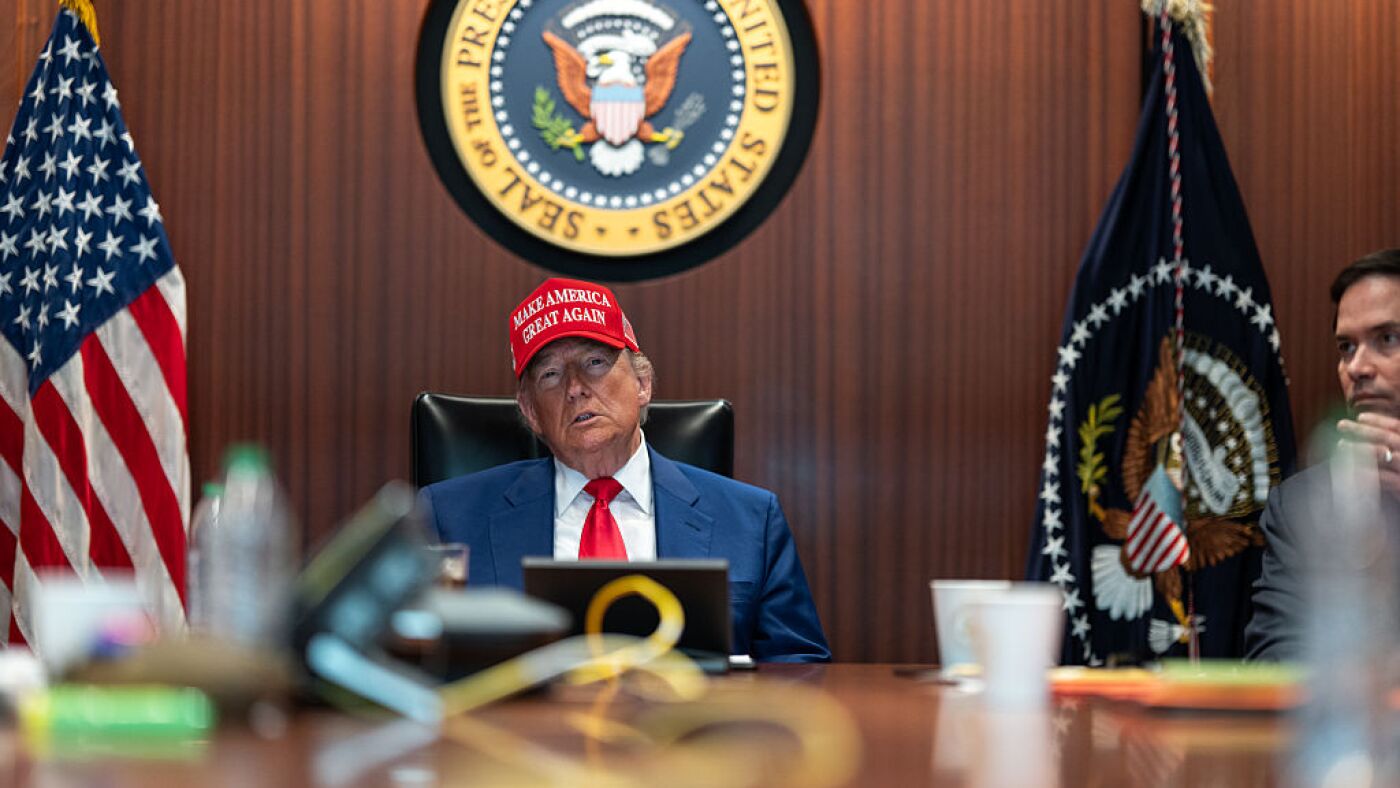
Congress attempted to narrow executive authority through the War Powers Resolution of 1973, which required troop withdrawal after sixty days unless Congress approved continued engagement. The mechanism, referred to as a “legislative veto,” has long been rejected by every president since Nixon, regardless of party.
When President Clinton intervened against Slobodan Milosevic in 1999, and when President Obama ordered strikes against Muammar Gaddafi in 2011, members of Congress sued both administrations. They lost both times. Despite that history, some lawmakers now threaten similar lawsuits against Trump, ignoring decades of legal precedent.
If Congress genuinely wants to stop military action, it already possesses lawful tools. It can pass legislation, block funding, or formally change policy. What it cannot do is circumvent constitutional checks and balances with shortcuts the Supreme Court struck down in 1983.
Iran Ignored Multiple Warnings Before The Strike
The strike on Khamenei was not the first warning Tehran received. Last year, the United States crippled Iran’s nuclear program in Operation Midnight Hammer. The message was unmistakable. Yet Iranian leadership dismissed it, continuing threats and escalating plots.
The contrast between administrations is stark. Critics recall that President Obama attempted diplomacy by sending Khamenei large sums of cash. Trump responded differently, sending what he described as planeloads of bombs. The ayatollah’s threats finally collided with a commander in chief unwilling to allow the next Pearl Harbor.
A Defining Moment In U.S. Military Authority
In the end, Trump acted within his constitutional powers to defend American lives and repel attacks. His critics may object, but the reality on the ground has changed. Iran’s supreme leader can no longer threaten American ships or plot assassinations from the safety of his compound. That compound is rubble now.
For those in Congress mourning the ayatollah’s fate, the president’s supporters say the reaction speaks volumes. The strike was decisive, lawful, and aimed at ending a long era of Iranian aggression.