

A prominent retired general is urging the United States to consider military action against Iran, arguing the current moment may present a rare strategic opening.
Retired four star Gen. Jack Keane said Iran’s ruling regime is at its lowest point in years, politically isolated, economically battered and militarily stretched. In his view, waiting could mean missing what he described as a historic turning point.
“I think we’re coming down to the reality that the military option is, indeed, the best option here,” Keane said on “Fox & Friends Weekend.”
Iran At Its ‘Weakest’ Point
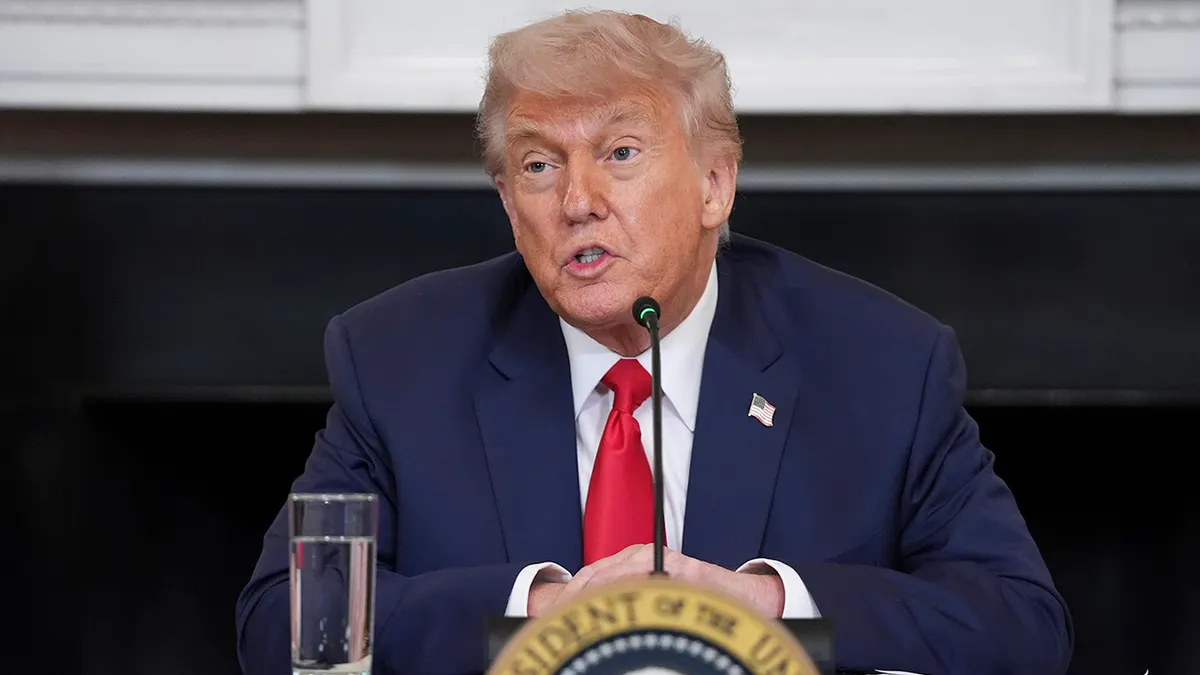
Keane argued that President Donald Trump faces a moment unlike any of his predecessors.
Trump faces “this historic opportunity that no other president has had” to set the conditions for regime collapse, which could herald enduring peace in the Middle East and be legacy-defining for the president, he said.
Meanwhile, tensions continue to simmer across the region. Iran’s economy has struggled under sanctions, protests have flared inside the country, and its network of regional proxies remains active. Still, Tehran maintains it seeks only peaceful nuclear energy.
Keane rejected that claim outright.
Skepticism Over Nuclear Claims
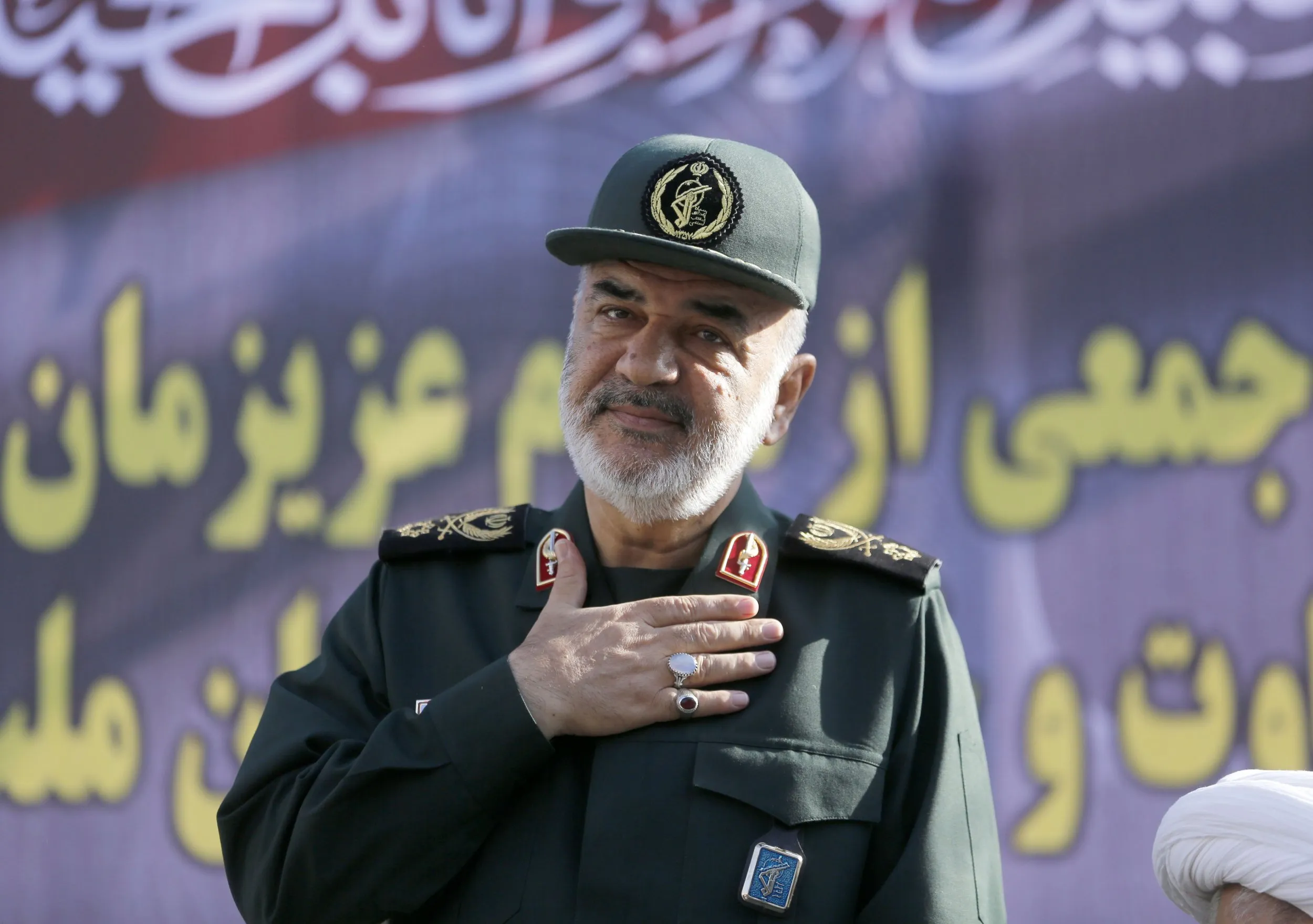
The retired general accused Iran’s leadership of deliberately misleading the international community about its nuclear program.
Not only is Iran destabilizing the Middle East, using its proxies to attack Israel and repressing their own people, Keane said, but the regime remains “persistent in the big lie… that they’re really pursuing civil nuclear power.”
“They have one nuclear plant in Iran. It represents… less than 1% of the energy to provide and sustain their electric grid,” Keane said.
“It’s all a bunch of nonsense. They’ve been lying for years about this, and they continue to do it.”
According to Keane, even a deal that appears favorable on paper would ultimately benefit Iran’s leadership more than the Iranian people.
He acknowledged that Trump has often relied on pressure tactics and negotiations to extract concessions from adversaries. However, he warned that any agreement would likely begin with Tehran demanding economic relief.
“if they [Iran] make any kind of a deal, the first thing they’re going to want is sanction relief.”
That prospect, he argued, would only strengthen a government he believes is already vulnerable.
Diplomacy Still On The Table
Despite the hardline rhetoric, diplomatic channels remain open.
Trump recently described talks between U.S. and Iranian officials in Oman as promising.
“Iran looks like it wants to make a deal very badly,” he told reporters Friday aboard Air Force One en route to Mar-a-Lago. “We have to see what that deal is.”
The president has made one point unmistakably clear: any agreement must guarantee that Iran will not obtain nuclear weapons.
Behind the scenes, key U.S. figures have been deeply involved. Special envoy Steve Witkoff, Trump’s son in law Jared Kushner and Adm. Brad Cooper, commander of U.S. Central Command, recently visited the USS Abraham Lincoln during its deployment in the Arabian Sea.
The high profile visit followed nuclear discussions in Oman that included Witkoff and Kushner, underscoring how seriously Washington is treating the negotiations.
A Defining Decision Ahead
The stakes could hardly be higher.
On one side lies the possibility of a negotiated settlement that averts open conflict. On the other, a military strike that could reshape the balance of power in the Middle East, for better or worse.
Keane believes the window may not stay open for long. The question now is whether Trump leans into diplomacy or embraces the harder path his longtime ally is urging.