

Amazon’s latest Super Bowl splash may have looked wholesome on the surface. A lost puppy. A worried child. A joyful reunion.
But behind the feel good marketing lies a far more unsettling reality.
According to critics, Amazon’s Ring cameras are no longer just doorbell devices. They are becoming something much bigger, and far more intrusive.
And the most alarming part? Many users never realized they were opted in.
AI Surveillance, Enabled by Default
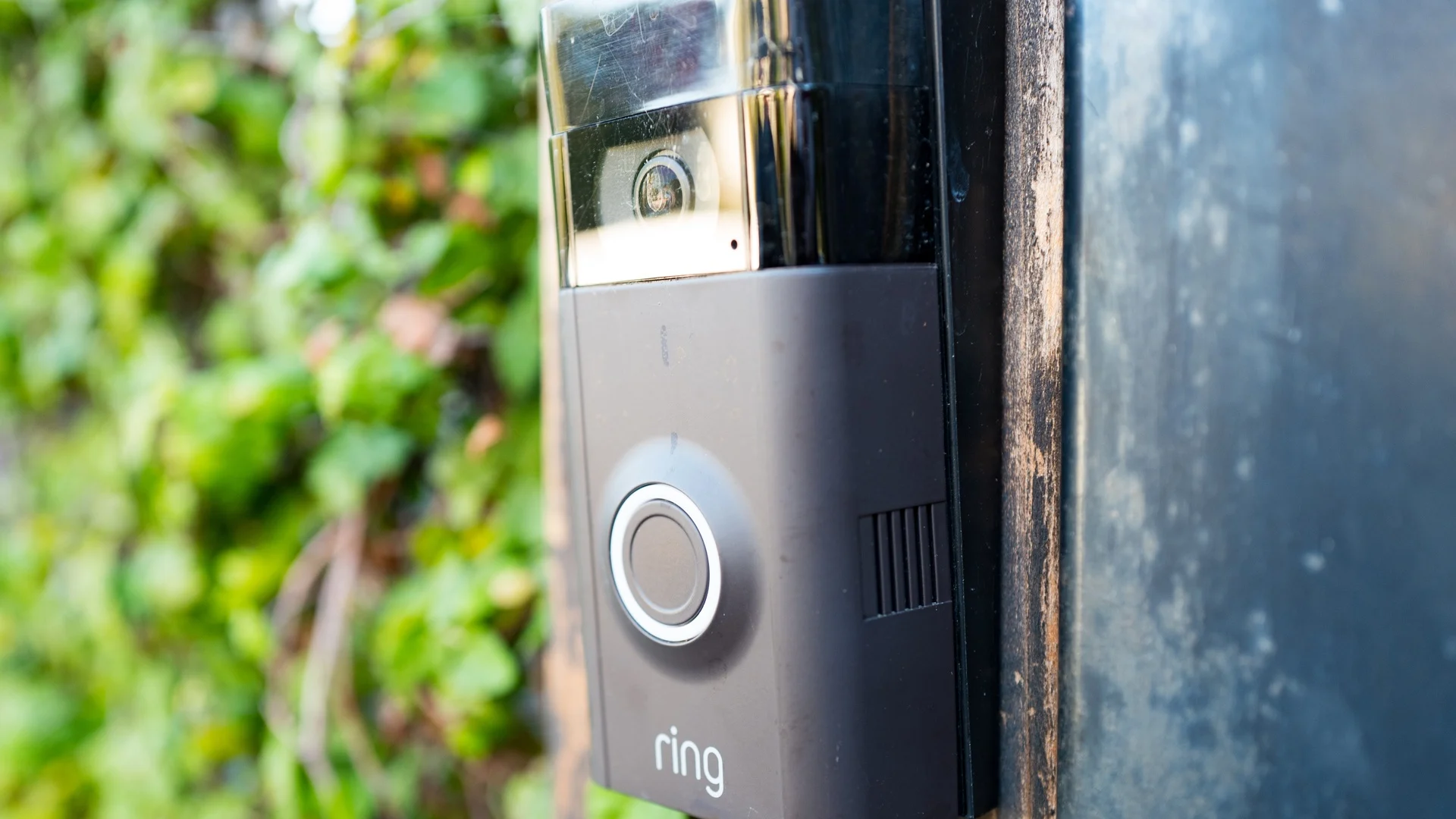
If there was one thing impossible to miss during this year’s Super Bowl ads, aside from brands chasing Millennials with ’90s nostalgia, it was artificial intelligence.
Among the most talked about spots, Amazon unveiled a powerful new AI tool connected to its vast Ring camera network. The feature, critics say, effectively builds a neighborhood wide monitoring system so advanced that “Minority Report” would blush.
Even more troubling, the system is switched on automatically. That means your Ring camera could already be analyzing activity on your street.
In short, your neighborhood is under AI surveillance.
Amazon openly promoted the feature, surprising many who assumed such capabilities would be rolled out quietly. Instead, the company spent millions showcasing it during the biggest television event of the year.
Your cameras have been automatically opted in, and they are actively scanning your street.
What Is “Search Party”?
The new feature is called Search Party.
In the company’s 30 second Super Bowl commercial, a young girl receives a puppy. She quickly bonds with him. Then the dog vanishes.
Thankfully, Ring cameras across the neighborhood scan footage, identify the missing pup, and lead to his safe return.
On the surface, it’s a touching narrative. Search Party is presented as a smart, community driven tool that helps reunite families with lost pets.
To Amazon’s credit, the company says the program was designed as a user benefit. It boasts that more than one dog has been returned home per day since the feature launched.
However, privacy advocates warn that the implications stretch far beyond tracking pets.
From Lost Dogs to Facial Recognition?
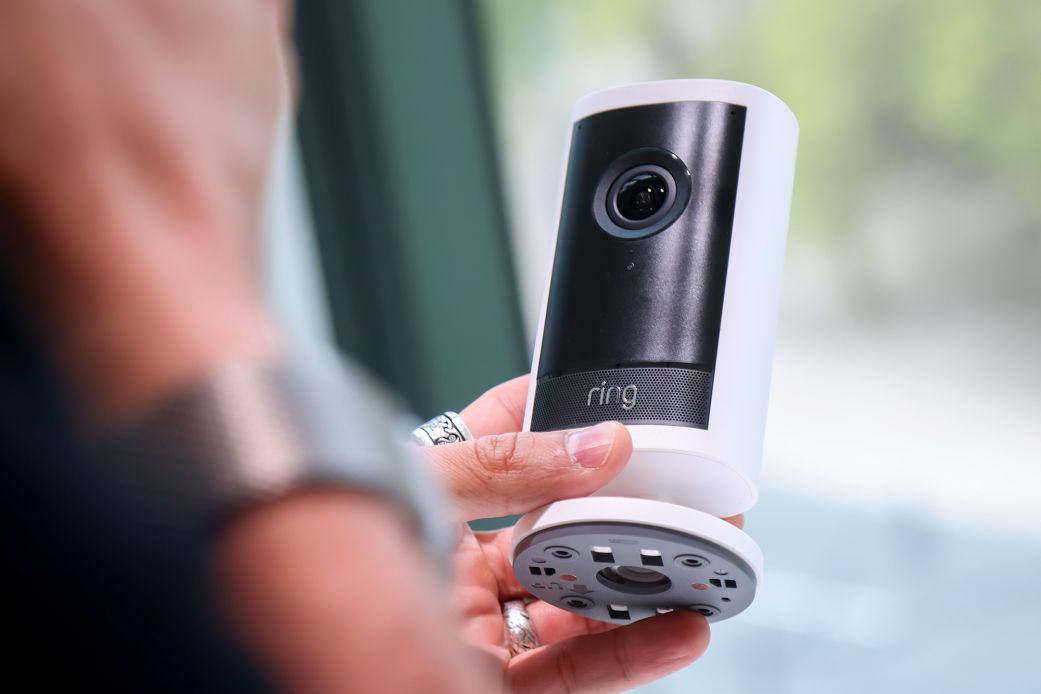
While Search Party currently highlights animal recovery, experts note that its underlying capabilities could expand dramatically.
Ring already offers a feature known as Familiar Faces, which identifies designated family members and friends. If that technology were redirected toward scanning broader human populations, the potential impact becomes enormous.
With humans as the focus rather than pets, Ring’s network could theoretically evolve into a system powered by facial recognition, identification matching, and even links to criminal databases.
That possibility raises serious concerns. Critics argue it resembles the foundation of a surveillance state.
For some, it’s no longer hypothetical. It’s a dystopian scenario unfolding in real time.
The Bigger Question
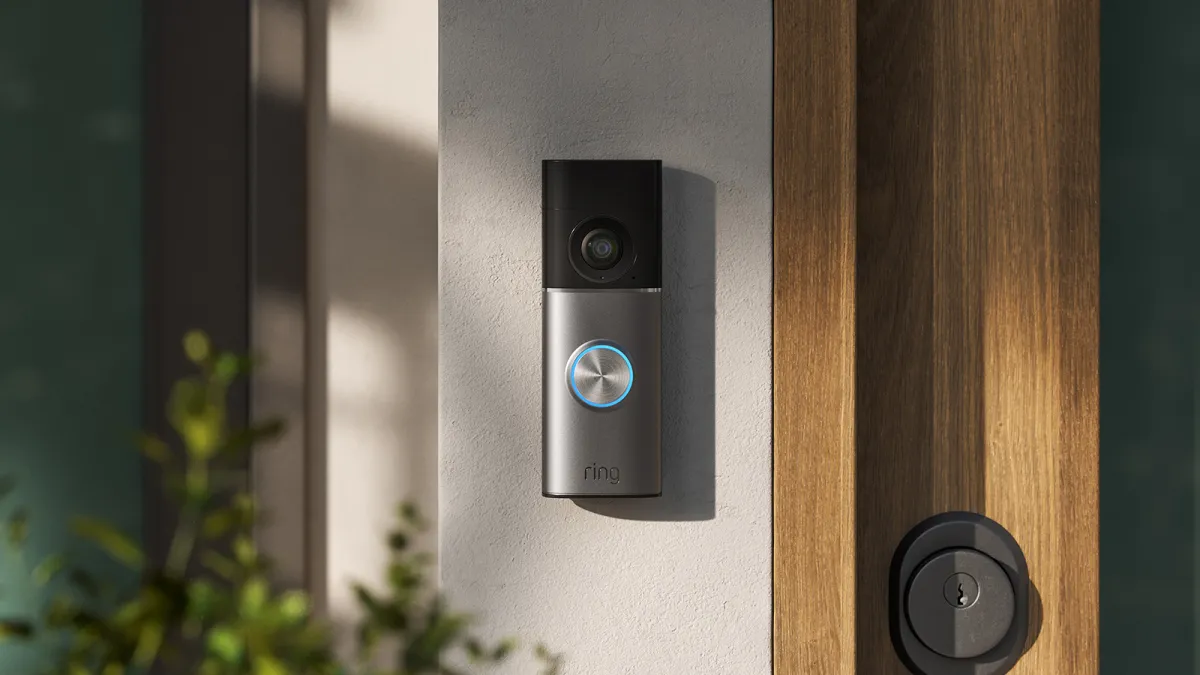
Amazon maintains that Search Party was built to help communities, not monitor them. Still, the debate centers on consent and transparency.
Many users did not realize they were automatically enrolled. Many neighbors did not know their street activity could be analyzed collectively.
That leaves one unavoidable question. When does convenience cross the line into constant surveillance?
For now, Search Party remains active unless users manually disable it. Meanwhile, the broader conversation about AI, privacy, and corporate power is only intensifying.
The cameras are already in place. The algorithms are already running.
The choice to opt out, however, still belongs to you.