

SpaceX’s Starship reached Earth’s orbit for the first time Monday, overcoming an engine failure and deploying 26 Starlink satellites before ending its mission hours ahead of schedule.
The uncrewed rocket lifted off from Starbase, Texas, on September 28 for its 14th test flight. SpaceX planned a roughly 10-hour mission that would take the spacecraft around Earth six times. Instead, the flight ended with a Pacific Ocean splashdown near Hawaii.
Engine Failure Puts Orbital Goal in Doubt
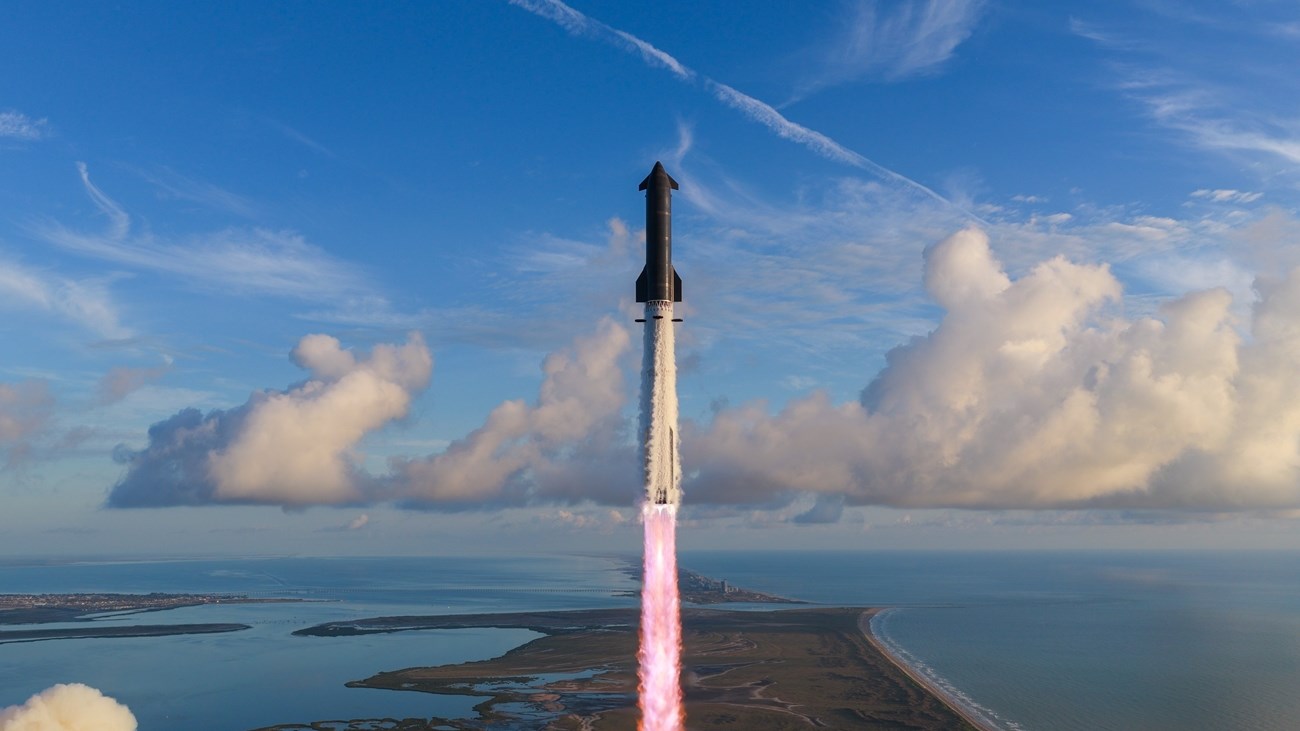
The mission faced trouble just minutes after liftoff when the rocket lost an engine, leaving flight controllers to assess whether Starship could still reach orbit.
For several tense minutes, that central goal hung in the balance. Controllers then determined the spacecraft was “go” for orbit, allowing the flight to continue.
About 26 minutes after launch, Starship completed an orbital burn using a single Raptor engine and reached Earth’s orbit.
“Starship is orbital,” Mission Control announced as cheers broke out.
The achievement pushed the program beyond its earlier suborbital flights, which ended with ocean splashdowns roughly an hour after launch.
Starship Delivers 26 Starlink Satellites
Once in orbit, Starship deployed 26 Starlink V3 satellites, adding a payload delivery milestone to its first orbital flight. SpaceX confirmed both achievements in its Flight 14 mission summary.
Meanwhile, SpaceX CEO Elon Musk wrote on X that the satellites were operational.
The deployment gave the flight a concrete result beyond reaching orbit: Starship had delivered satellites intended to support the company’s communications network.
SpaceX Ends Flight Ahead of Schedule
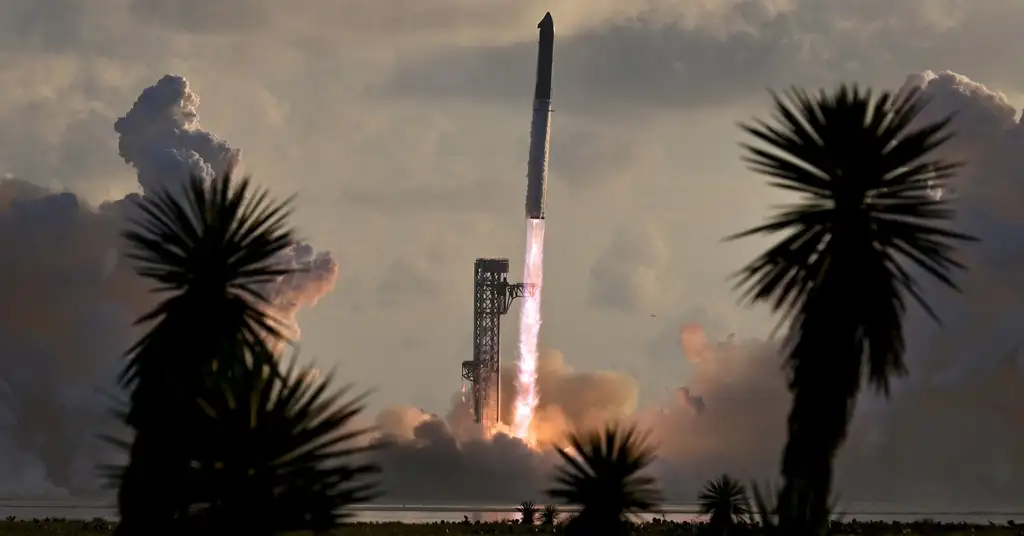
Despite the successful orbital burn and satellite release, SpaceX decided to bring Starship back earlier than planned.
The company said flight teams expected to deorbit the spacecraft after three hours in orbit, cutting short the intended six trips around Earth.
Around noon, Starship performed a landing burn before splashing down in the Pacific Ocean near Hawaii.
Earlier, the Super Heavy booster had completed a simulated landing burn and splashed down off the Texas coast near Starbase, drawing cheers from SpaceX engineers.
The shortened flight left the planned endurance test incomplete. Still, Starship reached orbit and deployed its satellite payload, two major steps for the program.
Moon and Mars Missions Remain the Larger Goal
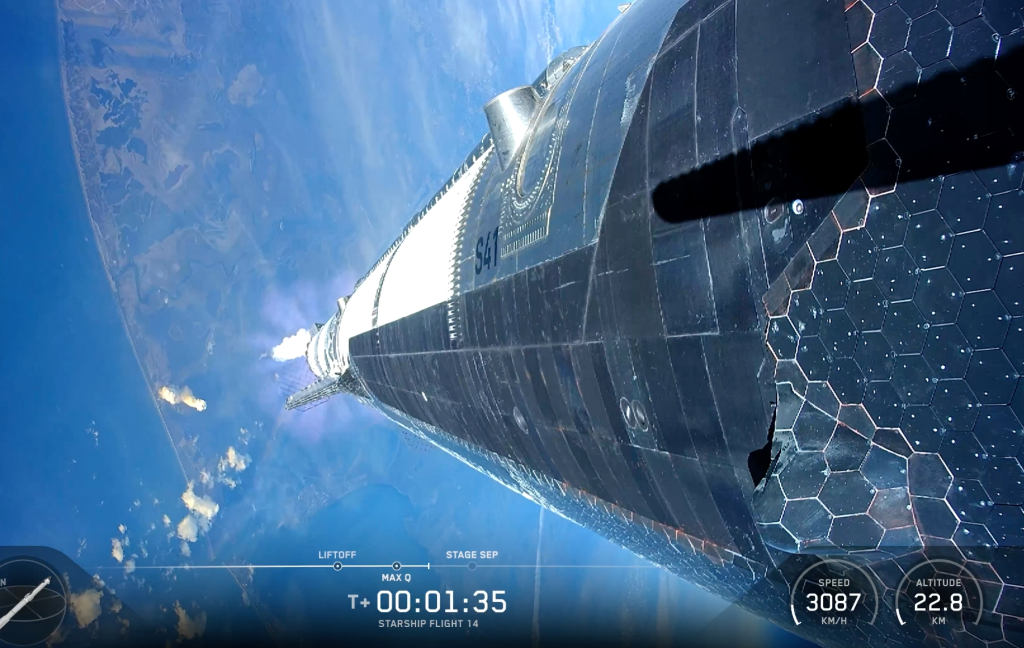
Every Starship flight so far has carried no crew. However, NASA plans to use a future version of the spacecraft as a lunar lander for astronauts.
SpaceX’s longer-term ambition extends to Mars, where the company envisions a fleet of Starships transporting humans.
Monday’s flight marked progress toward those goals, even with an early return. The spacecraft reached a destination previous tests had not: Earth’s orbit.