

Bleeding gums. Brain fog. Exhaustion. Chronic inflammation.
What if the real warning sign has been staring back at you in the mirror every morning?
For decades, we’ve treated the mouth like it exists in isolation. A tooth hurts? Fill it. Gums bleed? Floss more. Jaw clicks? Wear a nightguard.
Meanwhile, millions of Americans continue struggling with fatigue, chronic headaches, autoimmune issues, poor sleep, anxiety, inflammation, digestive disorders, and even cognitive decline, never realizing the source of the problem may be just inches away from their brain.
Inside their mouth.
As a biological dentist and founder of Health Connections Dentistry®, I have spent years watching patients walk into my office searching for answers after seeing doctor after doctor. Many were told their lab work looked “normal.” Others were prescribed medications that masked symptoms without addressing the root cause.
Then we looked at their airway. Their tongue posture. Their jaw alignment. Their inflamed gums. Their infected teeth. Their breathing patterns.
And suddenly, the puzzle pieces began fitting together.
That’s exactly why I wrote Smile, It’s All Connected! Whole Health Through Balance.
Because the mouth is not separate from the body. It is one of the most powerful gateways into it.
Your gums are not supposed to bleed
Let me say that again.
Bleeding gums are not “normal.” They are “shouting” inflammation. And inflammation is the body waving a giant red flag!
Most people would panic if they saw blood coming from their eyes or ears. Yet when they spit blood into the sink while brushing, they shrug it off for years.
That should concern all of us.
Periodontal disease, commonly called gum disease, is not simply a dental issue. Research has increasingly connected chronic oral inflammation to heart disease, diabetes, cognitive decline, stroke risk, autoimmune conditions, and systemic inflammation.
In my book, I discuss the “oral systemic link,” the growing recognition that oral bacteria and inflammation can affect the entire body.
The problem is that many patients are never told how deep these connections go.
Instead, dentistry and medicine often function like disconnected islands.
Your cardiologist studies your heart. Your neurologist studies your brain. Your gastroenterologist studies your gut.
But who is looking at how all those systems connect?
That question changed my entire career.

The exhausted patient who thought she just needed more coffee
I remember one patient who came to me convinced she simply had “low energy.”
She woke up tired every morning. Her brain fog was worsening. She clenched her jaw constantly and suffered migraines several times a week. She had already seen physicians, tried supplements, adjusted her diet, and blamed stress.
Then we examined her airway.
She was mouth breathing at night. Her tongue posture was dysfunctional. Her jaw position restricted her airway. She showed signs of chronic inflammation and sleep-disordered breathing.
In other words, her body was fighting for oxygen while she slept.
Think about that for a moment.
You can eat clean. Exercise daily. Take vitamins religiously. But if you are not breathing correctly while you sleep, your body never truly recovers.
In Smile, It’s All Connected!, I repeatedly emphasize two critical functions humans must perform properly to thrive: breathing and swallowing.
Most people never realize how profoundly those functions affect their health.
Mouth breathing is quietly changing faces and damaging health
One of the biggest hidden health crises today is chronic mouth breathing, no matter the age, but more catastrophically, in children.
And yes, you can often see it right on a child’s face.
Dark circles under the eyes. Crowded teeth. Long narrow faces. Poor sleep. ADHD-like symptoms. Constant congestion. Fatigue. Snoring.
Parents are frequently told these issues are unrelated.
I strongly disagree.
Children should breathe through their noses, not their mouths. You don’t eat through your noses, do you?
No matter the multitudes of reasons why, mouth breathing TOTALLY changes your oral flora, pH and overall body chemistry! The former biomarkers are no longer neutral but have been tipped over to the toxic side. We are no longer in balance. Nasal breathing plays such a major role in facial development, airway health, oxygen regulation, sleep quality, and nervous system balance.
In my book, I explain that improper airway development and dysfunctional breathing patterns can trigger a cascade of health problems over time.
Yet countless children are still being overlooked.
Here’s the truth many parents never hear:
Snoring in children may be common, but it is not normal.
Neither is chronic exhaustion.
Neither is grinding teeth at night.
Neither is waking up unrefreshed.
The body was designed to breathe efficiently. When it cannot, everything downstream suffers.
The jaw may be stressing the nervous system
Now let’s talk about something even more overlooked: the jaw.
Most people think TMJ disorders only cause jaw pain or clicking sounds.
Not true.
I have seen patients with chronic headaches, neck pain, dizziness, tinnitus, facial tension, posture problems, and even neurological symptoms tied to dysfunction in the jaw and surrounding musculature.
Why?
Because the mouth and jaw sit at the crossroads of nerves, muscles, fascia, breathing, posture, and cranial balance.
For example, the trigeminal nerve that innervates the face, is the largest cranial nerve, has a massive neurological influence throughout the head and body downstream.
This is why I believe dentistry should never be viewed as merely “teeth.”
It is structural medicine. Functional medicine. Airway medicine. Neuromuscular medicine.
Or at least it should be!
Why are we treating symptoms while ignoring the source?
Modern healthcare excels at emergency medicine. It can save lives in remarkable ways.
However, chronic disease is a different battlefield.
Many people today live in a constant low-grade inflammatory state. They are surviving, not thriving.
They feel exhausted but cannot explain why.
They wake up anxious.
They grind their teeth.
They rely on caffeine or ‘uppers’ to function, sleeping pills or ‘downers’ to rest. Medications with sometimes dangerous and unwanted side effects that, then too, need countermeasures to stabilize.
Meanwhile, their body keeps whispering clues through inflamed gums, poor breathing, clenching, airway restrictions, infections, tongue dysfunction, and disrupted sleep.
The mouth is often the messenger long before the body completely breaks down.
The tragedy is that many people never learn how connected everything truly is.
That is why I named my book Smile, It’s All Connected!
Because it is.
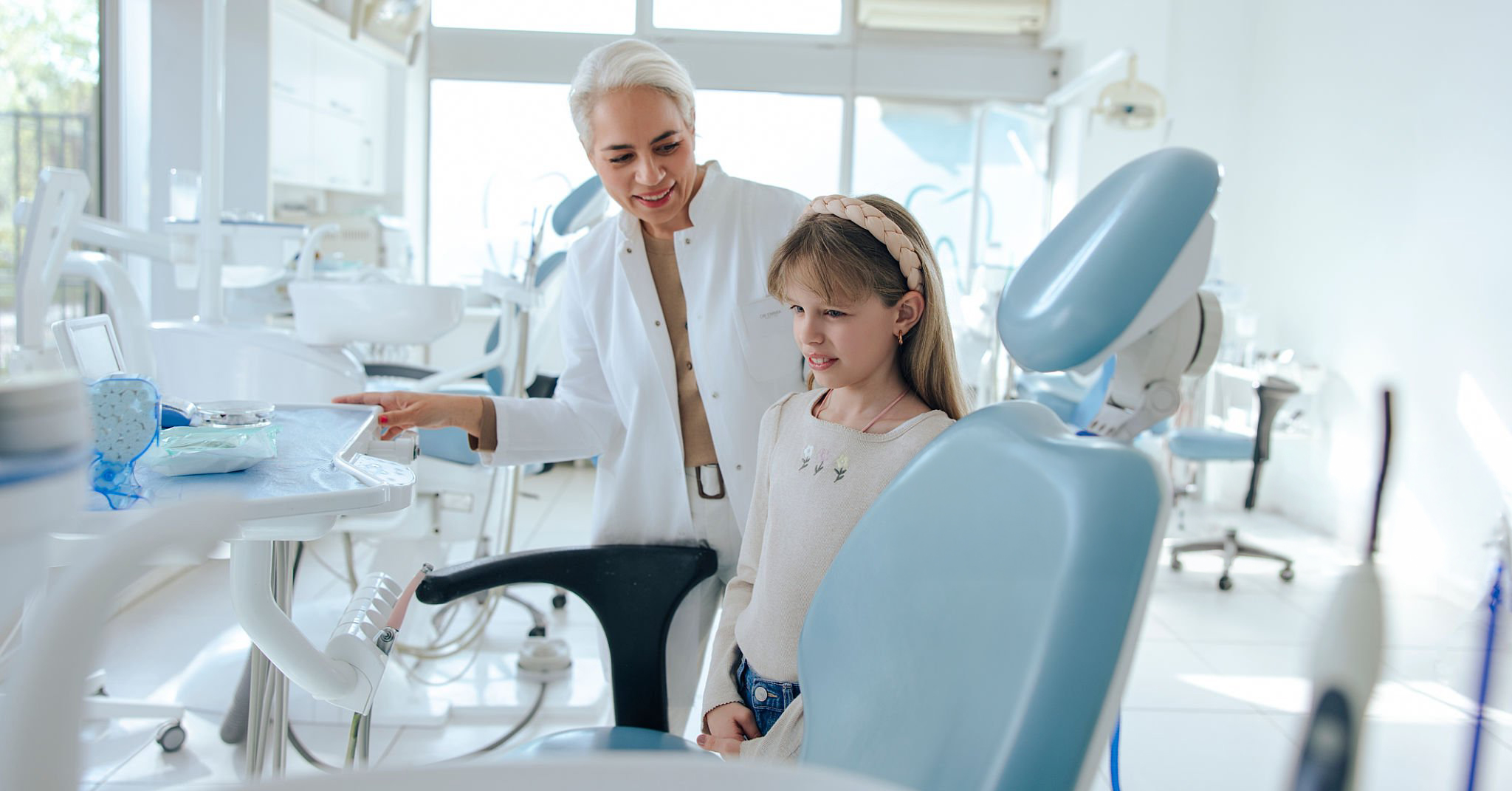
The future of dentistry must become more practical and human
I believe the future of healthcare depends on practitioners learning to see the body as an interconnected system instead of isolated parts.
That does not mean abandoning science. Quite the opposite.
It means expanding the conversation.
We should be asking deeper questions:
How does your breathing affect your sleep and brain health?
How does your tongue posture affect your facial growth?
How does your chronic inflammation affect your nervous system?
How do your oral infections influence, even cause your systemic disease?
How do your jaw dysfunctions affect your posture, mobility, and pain?
Patients deserve practitioners willing to look beyond the obvious.
That is the heart of biological dentistry and Health Connections Dentistry®.
Not fear.
Not gimmicks.
Connections and connecting the ‘dots’… or shall we say, connecting all the body parts!