

The Body Has Been Misunderstood, and It Starts in the Mouth
For years, we’ve been taught to think about the body in pieces.
You go to the dentist for your teeth. You see a doctor for your health. If something feels off emotionally or physically, you assume it must be stress, hormones, or simply getting older.
However, what if the real issue is something far more subtle, something hiding in plain sight?
What if one of the most overlooked parts of your body, your tongue, is quietly influencing how you feel, how you function, and even how you connect with another person?
It may sound surprising at first. Yet in my clinical experience, it is one of the most consistent patterns I see.
The Tongue Is Not Just a Muscle, It’s a Control System
Most people think of the tongue as something that helps with taste, speech, and, of course, intimacy on a surface level. That’s where the conversation usually stops.
But that is only a fraction of the story.
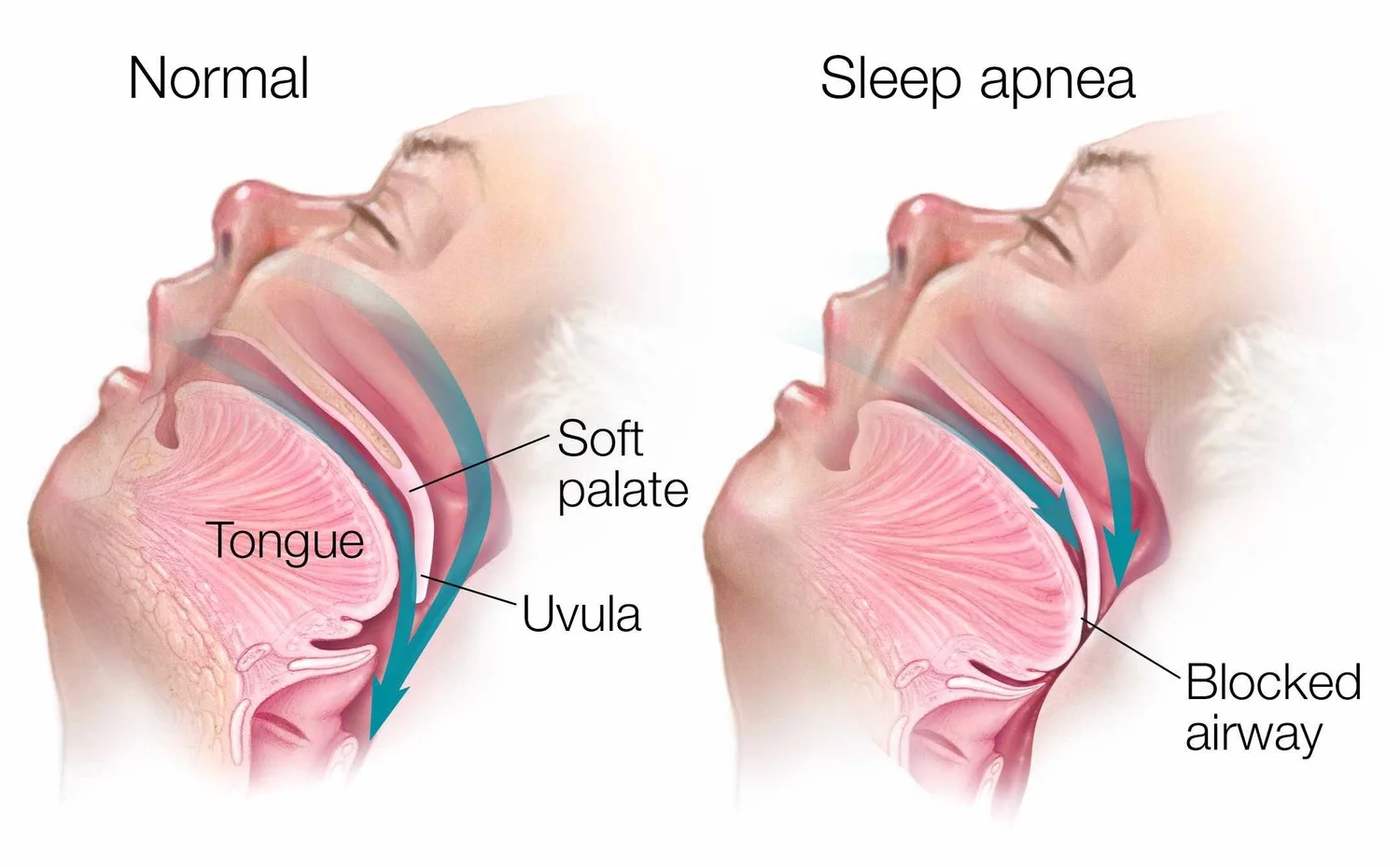
The tongue is deeply connected to how we breathe, how we swallow, how the jaws align, and how the airway stays open. It plays a central role in maintaining balance across multiple systems in the body, many of which people would never associate with oral health.
When it is functioning properly, the body operates more efficiently. When it is not, the effects can ripple outward in ways that are often misunderstood or completely missed.
Breathing, Energy, and Why It Matters More Than You Think
Let’s take a step back and look at something fundamental: breathing.
The ideal pattern is nasal breathing, supported by proper tongue posture resting against the roof of the mouth. This position helps maintain an open airway and allows the body to receive adequate oxygen during both waking hours and sleep. The body is in thriving mode!
However, when the tongue drops or sits incorrectly, the airway can become compromised. Mouth breathing becomes more common, and over time, oxygen levels decrease while sleep quality suffers. The body is now in surviving mode!
At first, the symptoms may seem unrelated. Fatigue, brain fog, irritability, and low energy are often dismissed as part of modern life.
That said, these are not isolated issues. They are signals that the body is not operating at full capacity.
And when the body is struggling at that level, it has consequences.

The Overlooked Link Between Physiology and Intimacy
Intimacy is often framed as emotional or psychological, and those components certainly matter. However, physiology sets the stage for everything else.
If the body is tired, stressed, or deprived of proper oxygen, it shifts into a more protective mode. Energy is conserved. Focus is reduced. Hormonal balance can be affected.
In that state, connection becomes more difficult, not because the desire is gone, but because the body does not have the resources to support it.
This is where many people become frustrated. They search for answers in the usual places, yet the underlying cause may be something as fundamental as how they are breathing or how their oral structures are functioning.
The Nervous System Is Constantly Responding
The tongue is also closely tied to the nervous system through cranial nerve pathways. Its position and function provide continuous feedback to the brain.
When that feedback reflects imbalance, the body compensates. Jaw tension may increase, posture may shift, and subtle stress responses can become chronic.
Over time, this creates a baseline state of tension rather than ease.
And that distinction matters.
A body that feels safe and balanced is more open, more responsive, and more capable of connection. A body that is under constant strain tends to withdraw, even if the person is not consciously aware of it.
Confidence, Expression, and the Human Factor
There is another layer that is often overlooked, and that is how oral function influences expression.
The tongue plays a role in speech, facial posture, and the way the smile presents. These factors shape how a person is perceived and, more importantly, how they perceive themselves.
When breathing improves and the body begins to function more efficiently, people often report feeling more energized and more confident. Their posture changes, their facial expression softens, and their overall presence shifts.
These are not cosmetic changes alone. They reflect deeper physiological balance.
And that balance naturally supports stronger, more authentic connection with others.
A Bigger Conversation About Health
In Smile, It’s All Connected, I explore the idea that health is not a series of isolated systems but a network of interdependent relationships. Structural, functional, chemical, emotional, and even spiritual factors all interact to shape how we feel and how we live.
The tongue sits at a critical intersection of many of these systems.
It connects breathing to posture, posture to nervous system regulation, and regulation to overall well-being. When viewed through that lens, it becomes clear that something so small can have a surprisingly large impact.

So Where Do You Start?
Awareness is the first step.
Pay attention to how you breathe throughout the day. Notice whether your mouth is open or closed at rest. Consider how you feel when you wake up in the morning, whether refreshed or already fatigued.
These observations may seem simple, but they often reveal patterns that have been present for years.
And once those patterns are recognized, they can be addressed.
The Bottom Line
Whether you have teeth or not, there are two things your body must do to survive: breathe and swallow. But thriving is a completely different story. To truly feel energized, balanced, and fully connected, those same two functions have to be done correctly. Breathing and swallowing are not just automatic habits; they are the foundation of how your entire body performs, from your energy levels to your ability to feel present and engaged in your life.
What most people don’t realize is that the difference between simply getting by and actually thriving often comes down to two overlooked factors: your airway and your tongue. Its position, its function, and how it rests in your mouth can quietly influence everything: your sleep, your nervous system, your posture, and even how you connect with others. It may sound simple, but when something this small can shift how your body operates on such a deep level, it changes the entire conversation around health.
So the real question isn’t complicated. Are you just surviving, or are you truly thriving?