

For the first time in U.S. history, diesel prices in San Francisco have crossed a stunning threshold. Drivers and businesses alike are now facing average costs above $8 per gallon, a surge that signals deeper instability in global energy markets.
The spike is not just a local anomaly. Instead, it reflects a broader chain reaction fueled by geopolitical tensions, supply constraints, and region-specific policies that continue to push prices higher.
Historic Price Surge Raises Alarm
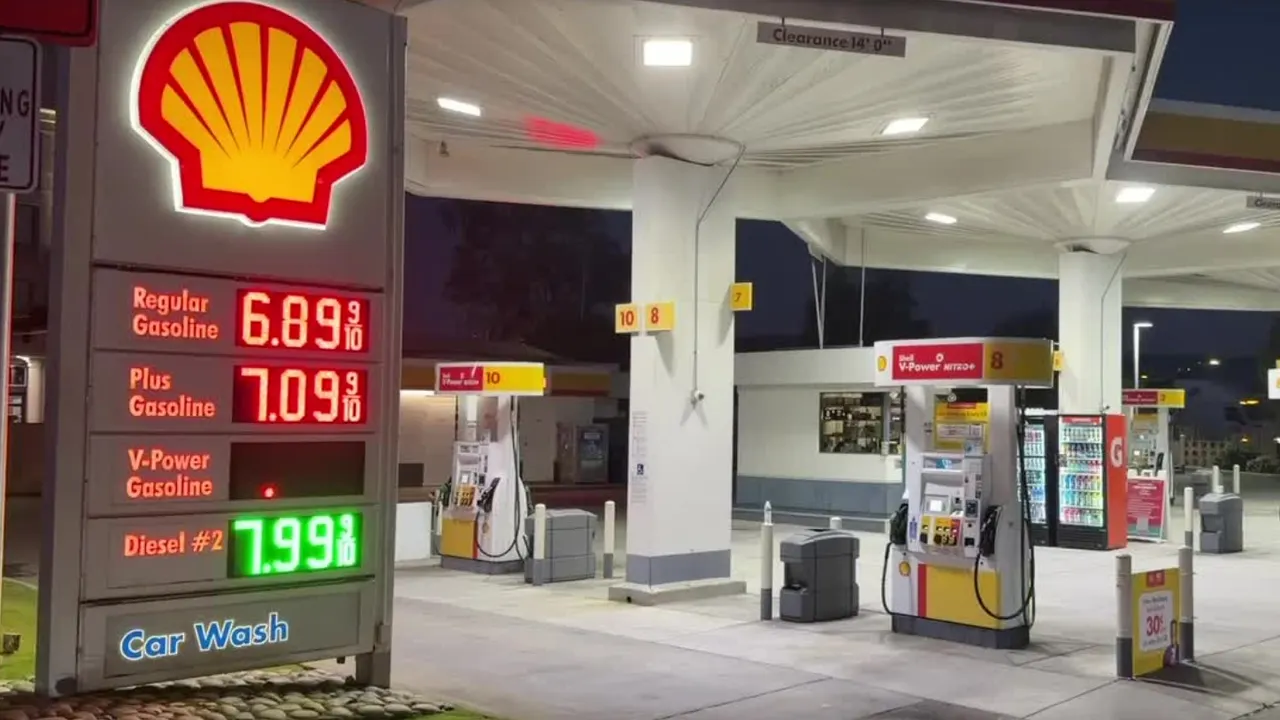
San Francisco has long been known for its high fuel costs. However, this latest jump sets a new record, even by California’s standards.
According to GasBuddy, the city has officially become the first in the nation where diesel prices have surpassed $8 per gallon. That figure alone highlights how sharply conditions have changed in recent weeks.
Meanwhile, the ongoing conflict involving Iran continues to disrupt global oil flows. As a result, prices have climbed rapidly, exposing just how sensitive fuel markets are to geopolitical shocks.
Why Diesel Prices Are Rising So Fast
Diesel plays a critical role in the U.S. economy. It powers freight trucks, shipping networks, and public transportation systems.
Because of this, diesel prices tend to react quickly to supply disruptions. Limited refining capacity, combined with rising global demand, has only intensified the pressure.
At the same time, California’s strict environmental regulations, higher fuel taxes, and tighter supply chains add another layer of cost. These factors consistently push prices above the national average, and now they have amplified the current surge.
Ripple Effect Across The Economy
Higher diesel prices rarely stay confined to one region. Instead, they move through the economy in waves.
Transportation and shipping costs increase first. Then, businesses pass those costs onto consumers. Groceries, retail goods, and services all become more expensive.
In other words, what starts at the pump quickly shows up in everyday expenses nationwide.
Gas Prices Climb Nationwide
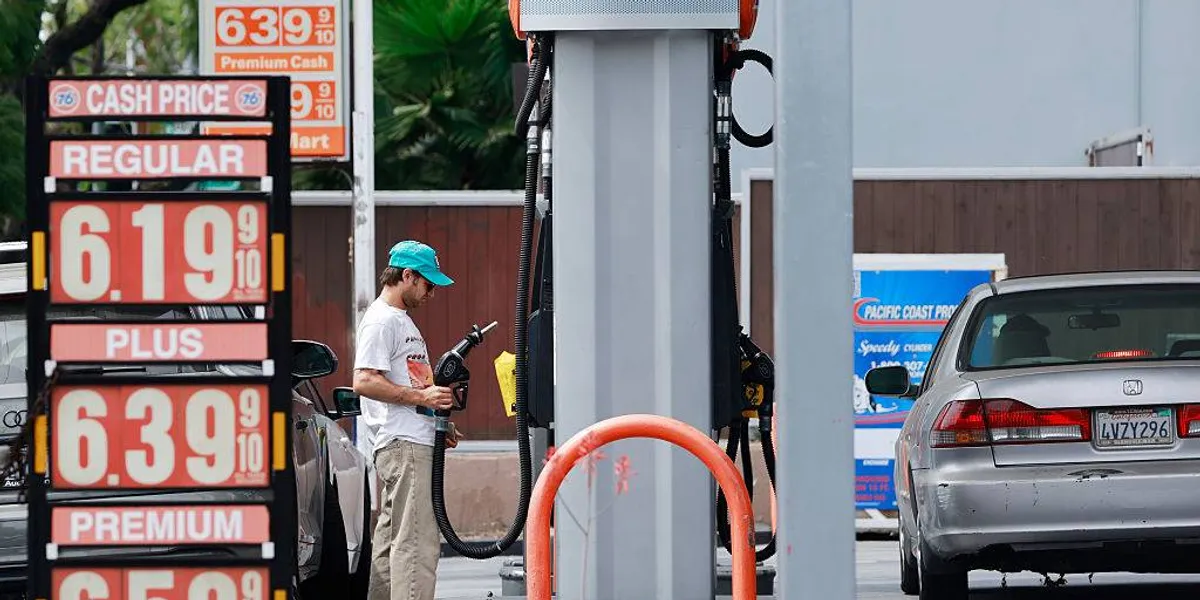
The surge is not limited to diesel. Gasoline prices are also rising across the country.
As of April 5, the national average for regular gas reached $4.11 per gallon, according to AAA. That marks a sharp increase of 86 cents compared to just one month earlier.
On the West Coast, prices remain the highest. California drivers are paying around $5.92 per gallon, while Washington sits at $5.37.
Meanwhile, the East Coast is seeing steady increases. Prices have crossed $4 in several areas, including $4.27 in Washington, D.C., and $4.06 in New York.
In the Midwest, Illinois stands out at $4.29 per gallon, though much of the region remains in the mid-$3 range.
Southern states continue to offer some relief, but prices are still climbing. Texas averages about $3.82, South Carolina also sits at $3.82, and Florida has reached $4.20.
Global Conflict Driving Market Uncertainty
Fuel markets remain tightly linked to global events, and recent developments have added significant pressure.
President Donald Trump issued a sharp warning to Iran, escalating tensions further. His message made clear that the U.S. could take direct action if key shipping routes are not reopened.
“Tuesday will be Power Plant Day, and Bridge Day, all wrapped up in one, in Iran,” Trump’s post read. “There will be nothing like it!!!”
“Open the F—– Strait, you crazy bastards, or you’ll be living in Hell – JUST WATCH!” read Trump’s message to Iran’s leaders.
“Praise be to Allah.”
The Strait of Hormuz remains a critical chokepoint for global energy supply. Any disruption there can send shockwaves through oil markets almost instantly.
What Happens Next
Fuel prices may continue to fluctuate in the coming weeks. However, this milestone highlights a larger issue.
Markets remain highly vulnerable to sudden disruptions. Even a single geopolitical event can trigger rapid and historic price increases.
For now, San Francisco’s $8 diesel serves as a stark reminder. When supply tightens and tensions rise, the cost is felt far beyond the pump.