

Berkshire Hathaway investors woke up Friday to a moment that felt both historic and emotional. After six decades shaping one of the world’s most influential companies, Warren Buffett has officially passed the torch to Greg Abel. The market reacted quickly, sending Berkshire shares slightly lower as the curtain lifted on this new chapter.
Buffett, now 95, stepped down Thursday. Abel, who joined Berkshire in 2000 and rose to vice chairman, assumed the CEO role Friday morning. By mid-afternoon, Berkshire’s Class A stock had slipped about 1.5 percent.
The End of a Historic Run
Despite the transition, Berkshire’s performance in Buffett’s final year remained strong. According to CNBC, the conglomerate gained 10.9 percent, underscoring his enduring influence on strategy and stability.
Still, markets often respond to sentiment as much as numbers. Investors were processing the emotional weight of watching the company’s legendary leader exit the day-to-day role he held for so long.
Buffett’s Final Words to Shareholders
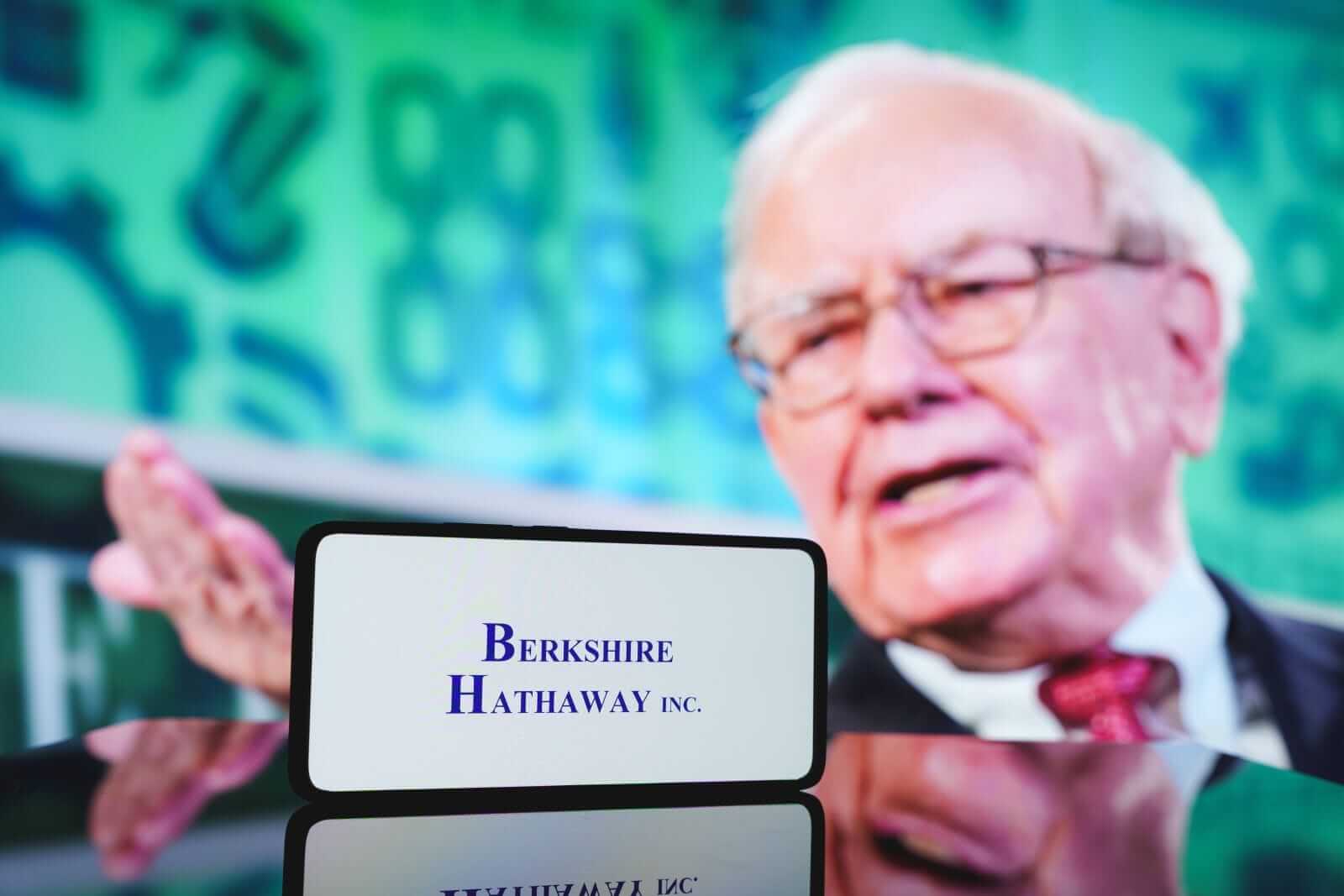
In November, Buffett shared a reflective parting letter that blended confidence, humility, and his distinct moral clarity.
Buffett reassured shareholders, “Berkshire has less chance of a devastating disaster than any business I know,”
And continued, “And, Berkshire has a more shareholder-conscious management and board than almost any company with which I am familiar (and I’ve seen a lot).”
He also wrote, “Berkshire will always be managed in a manner that will make its existence an asset to the United States and eschew activities that would lead it to become a supplicant. Over time, our managers should grow quite wealthy — they have important responsibilities — but do not have the desire for dynastic or look-at-me wealth.”
Closing the letter, he offered advice rooted in his lifelong philosophy:
“Greatness does not come about through accumulating great amounts of money, great amounts of publicity or great power in government. When you help someone in any of thousands of ways, you help the world. Kindness is costless but also priceless. Whether you are religious or not, it’s hard to beat The Golden Rule as a guide to behavior.”
A Successor He Trusts Completely
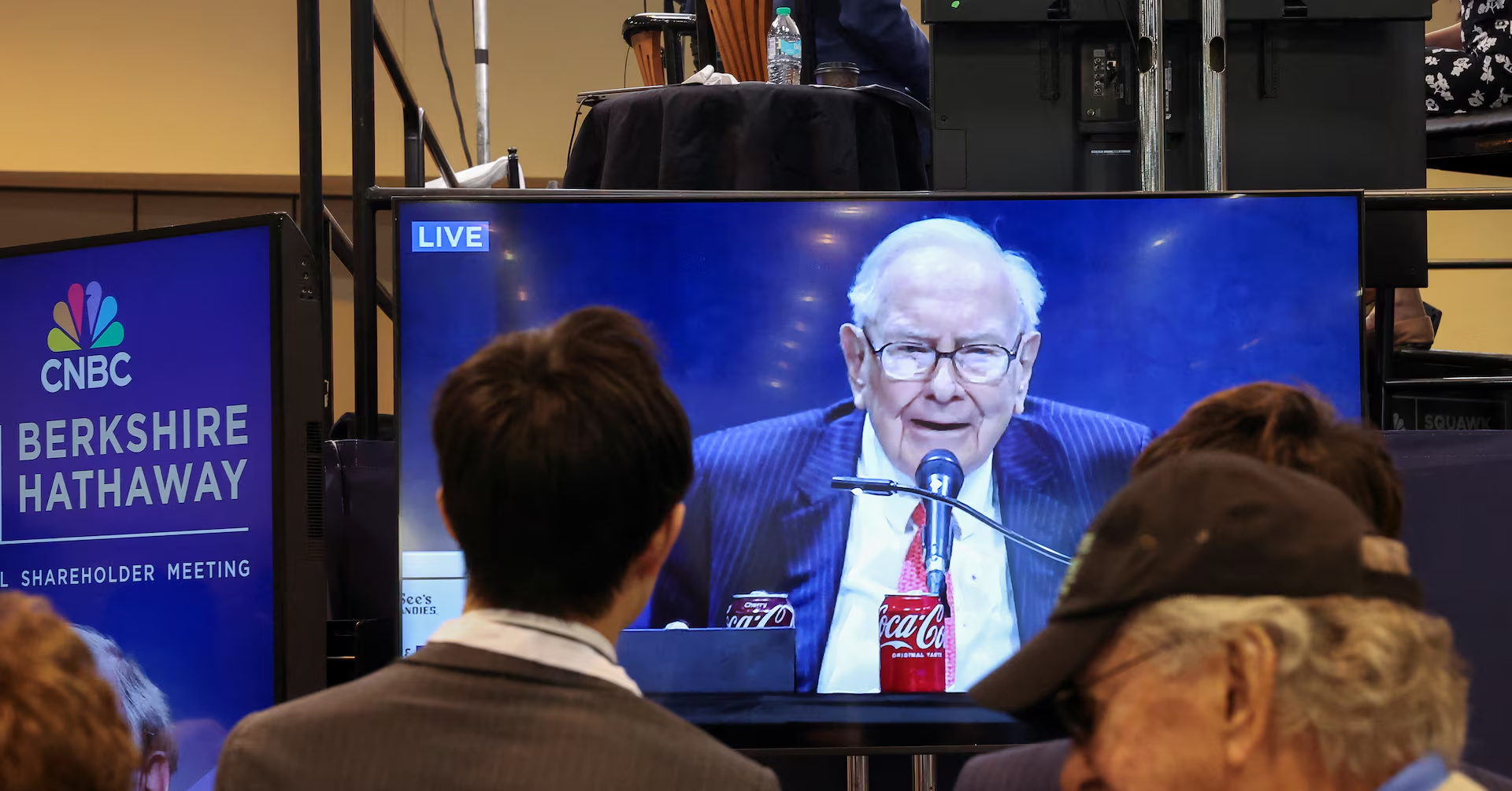
Buffett reserved some of his most emphatic praise for Abel.
“Greg Abel has more than met the high expectations I had for him when I first thought he should be Berkshire’s next CEO,” he wrote. “He understands many of our businesses and personnel far better than I now do, and he is a very fast learner about matters many CEOs don’t even consider.”
He added,
“I can’t think of a CEO, a management consultant, an academic, a member of government, you name it, that I would select over Greg to handle your savings and mine.”
Buffett will continue to serve as chairman, providing guidance from a role he has no intention of abandoning.
A Transition Years in the Making
This moment was not sudden. Buffett had been preparing Abel well in advance. Back in 2021, he told CNBC,
“The directors are in agreement that if something were to happen to me tonight, it would be Greg who’d take over tomorrow morning.”
In May, he formally announced his upcoming departure to shareholders, saying,
“I think the time has arrived where Greg should become the chief executive of the company at year end.”
Friday marked that milestone.
A Legacy in Sharp Focus
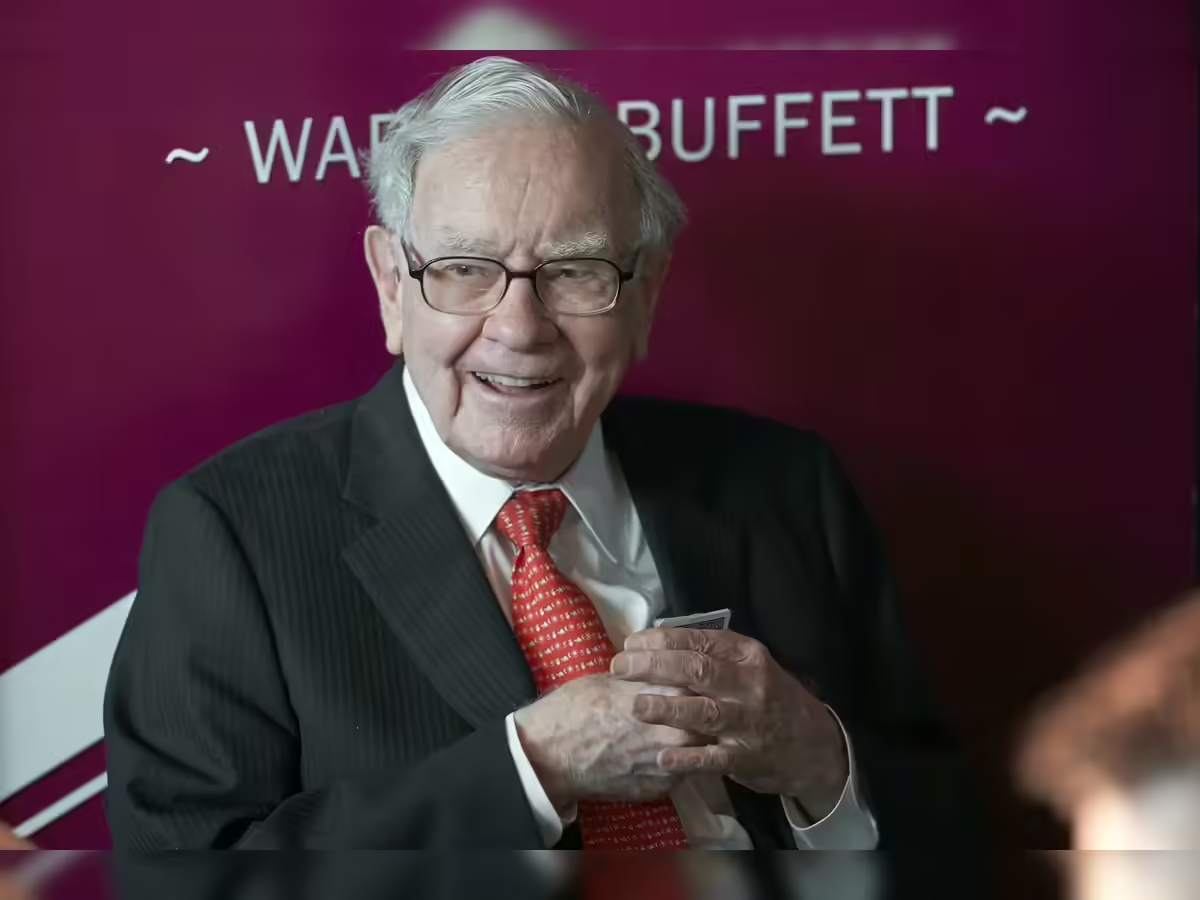
Buffett began his Berkshire journey in 1965 alongside the late Charlie Munger, when the company was a struggling textile mill. Today, Berkshire Hathaway is worth more than one trillion dollars.
Buffett himself is now valued at over 168 billion dollars, yet he still lives in the modest Omaha home he bought for 31,500 dollars in 1958, a symbol of the grounded ethos that defined his leadership.
His successor now faces the task of guiding Berkshire’s next chapter while carrying forward a legacy unmatched in modern business.