

A dramatic shift is unfolding inside Iran, where scenes of celebration are emerging even as bombs fall and tensions escalate. For some citizens, the latest U.S. and Israeli strikes are not just acts of war, but signals of long-awaited change.
Armin Assadi, an Iranian American who fled the country as a child, says the reaction on the ground is far from what many might expect. Instead of fear alone, he describes moments of relief, even joy, among ordinary people.
“That’s How Desperate These People Are”
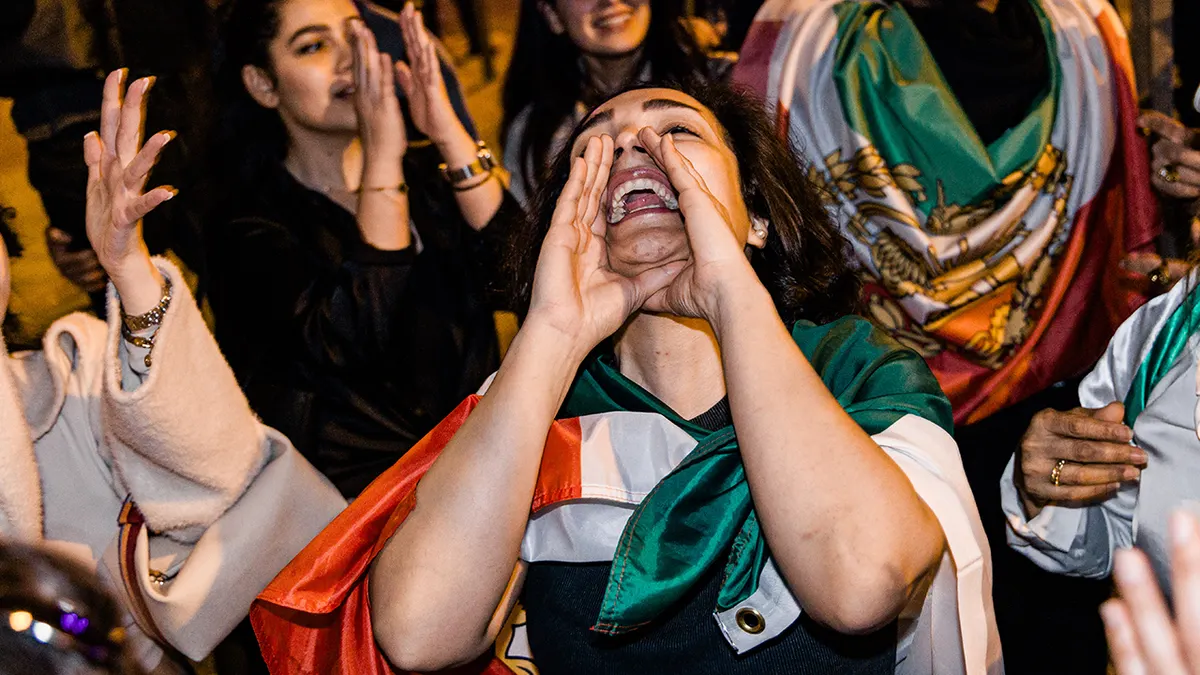
Speaking about what he has witnessed and heard from contacts inside Iran, Assadi painted a striking picture.
“You can literally see people singing and dancing in the streets, mere blocks away from where the first missile struck. That’s craziness to have [to] find hope in being bombed,” Assadi said on “Fox & Friends Weekend.”
He did not hold back in explaining the emotional weight behind those scenes.
“That’s how desperate these people are, and they’re thanking America for it,” he added.
A Nation Caught Between Fear and Hope
Meanwhile, the military campaign, known as Operation Epic Fury, has reportedly crippled much of Iran’s missile and drone infrastructure. The strikes also resulted in the death of Supreme Leader Ayatollah Ali Khamenei, marking a turning point in the conflict.
However, information coming out of Iran remains limited. Despite that, Assadi said what little footage has surfaced suggests a surprising level of support for the strikes among some citizens.
He even noted an unexpected cultural crossover.
Some Iranians, he said, are mimicking the “Trump dance,” despite never having set foot in the United States.
Underground Faith and Quiet Resistance
Beyond public reactions, Assadi highlighted a quieter but powerful movement taking place beneath the surface.
Assadi said members of Iran’s “underground church” are actively praying for the United States, viewing the moment as a potential breakthrough after decades of repression.
Still, the situation is far from simple.
“People are going to die, but at the same time you can’t help feel [a] sense of gratitude and hope that Iran might be free again for the first time in 47 years,” Assadi said.
Civilian Toll Sparks Scrutiny
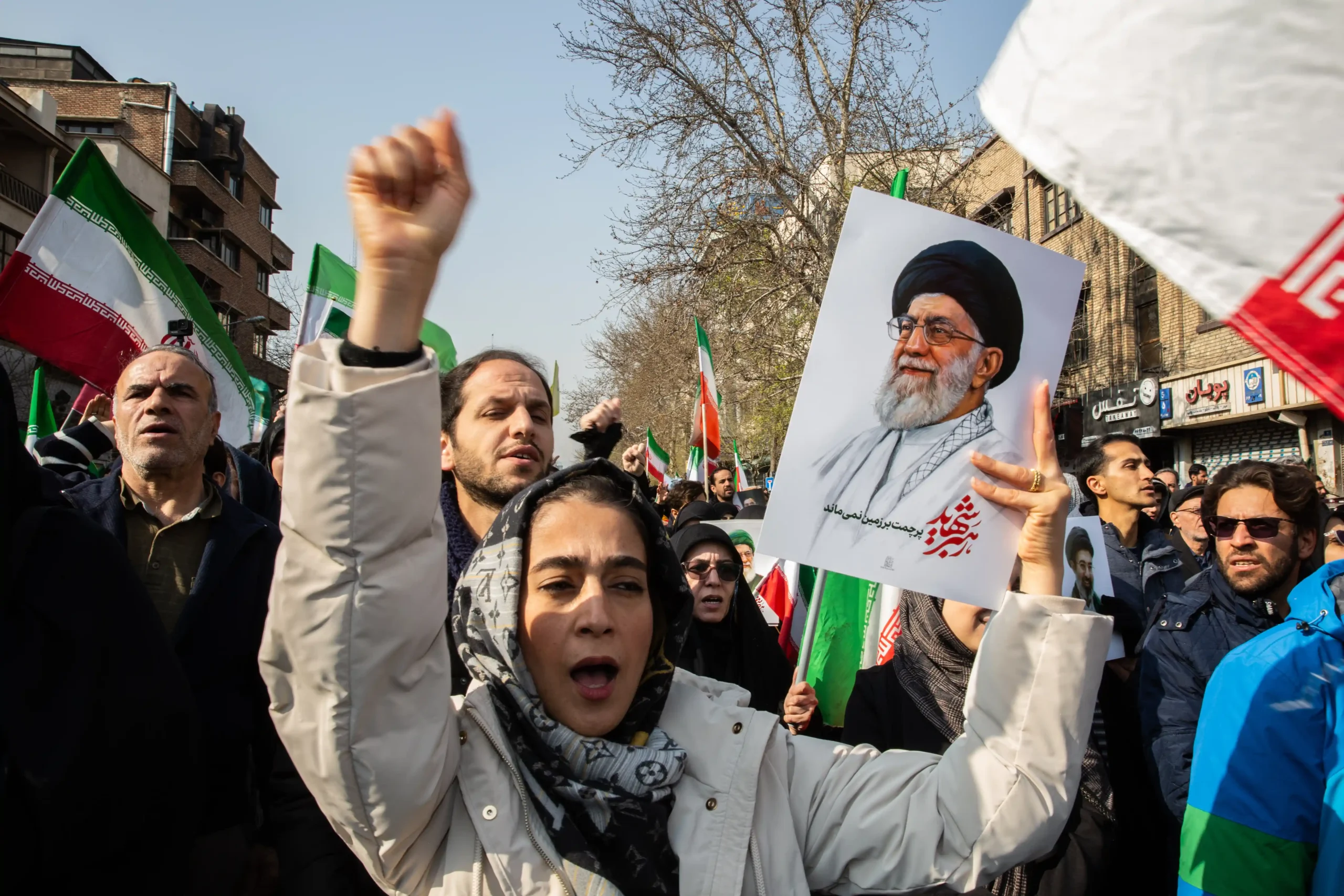
However, not all developments have been met with optimism. The Pentagon has launched an investigation into a Feb. 28 airstrike after Iranian officials claimed more than 100 children were killed at a school near a military compound.
That allegation has intensified global concern and added another layer of complexity to an already volatile conflict.
Even so, Assadi pushed back against narratives suggesting widespread opposition among Iranian citizens.
“You can create all these weird narratives that Iran is against this war, but the regime might be. The people are not,” Assadi said.
“The people are celebrating it and are grateful to God that America stood up,” he added.
Iran Pushes Back as War Expands
In contrast, Iranian leadership has strongly condemned the strikes. Foreign Minister Abbas Aragchi accused the United States of acting recklessly.
He claimed President Donald Trump launched attacks against Iran “because it is fun,” calling the situation an “illegal war” during an interview with CBS host Margaret Brennan on “Face the Nation.”
The remarks come as the conflict shows no signs of slowing. In fact, officials have indicated the campaign could extend far beyond initial expectations.
A Defining Moment for Iran?
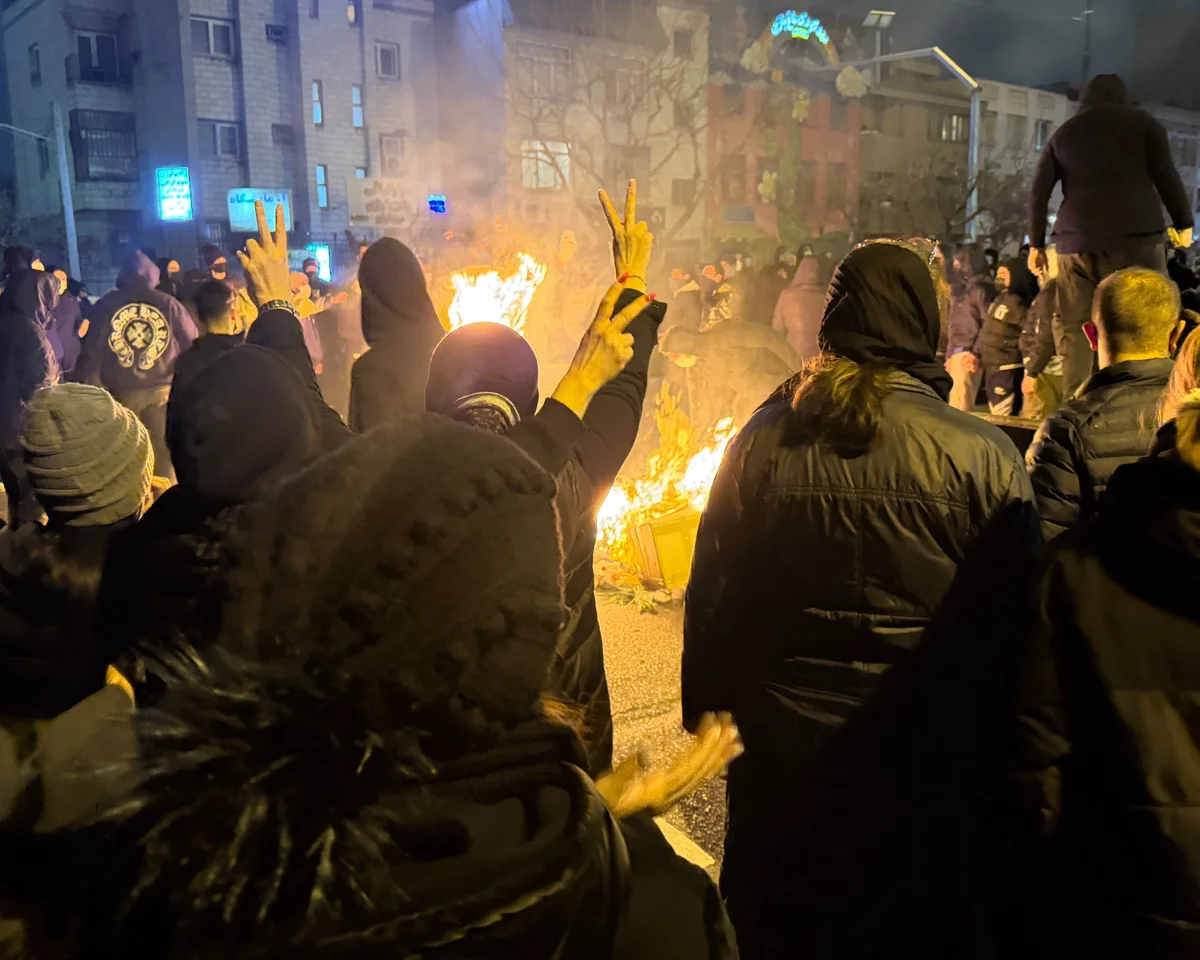
As the situation unfolds, one question looms large. Are these strikes the beginning of lasting change, or just another chapter in a long cycle of conflict?
For now, voices like Assadi’s suggest that beneath the destruction, a different story is emerging. One of desperation, yes, but also of hope that something new could finally take shape.