

Two decades have passed since An Inconvenient Truth hit theaters and set the tone for worldwide environmental policy. In 2006, the documentary helped push governments toward aggressive agendas, and Al Gore positioned himself as a central figure in the climate conversation. Now, in 2026, enough time has passed to measure how his biggest predictions held up. The results are not flattering.
When the film opens, Gore frames himself as a determined messenger, then quickly shifts into alarmist claims. He cites Hurricane Katrina, uses a Simpsons clip to emphasize warming, and describes being influenced by a professor who measured carbon dioxide levels. He notes that CO2 measurement began in 1958, without acknowledging how limited that data is compared with the planet’s 4.54 billion year history.
Kilimanjaro’s Snowfall Contradicts Gore’s Famous Warning
One of his strongest claims was that Mount Kilimanjaro would lose its snow within a decade. He said, “Within the decade there will be no more snows on Kilimanjaro.” In 2026, Kilimanjaro still has snow. A report in The Times of London highlighted how incorrect the prediction was, quoting Methley Swai, who said, “Many people have made Kilimanjaro a bucket list priority because of the Al Gore deadline but when they get here they are pleasantly surprised to find lots of snow.” The same report noted, “There were also abnormally high snowfalls in 2018, which led to the highest recorded growth for the total snow depth on Tanzania’s inactive volcano, an aggregated increase of 1.2m.”
Glacier National Park Still Has Glaciers Despite Gore’s Timeline
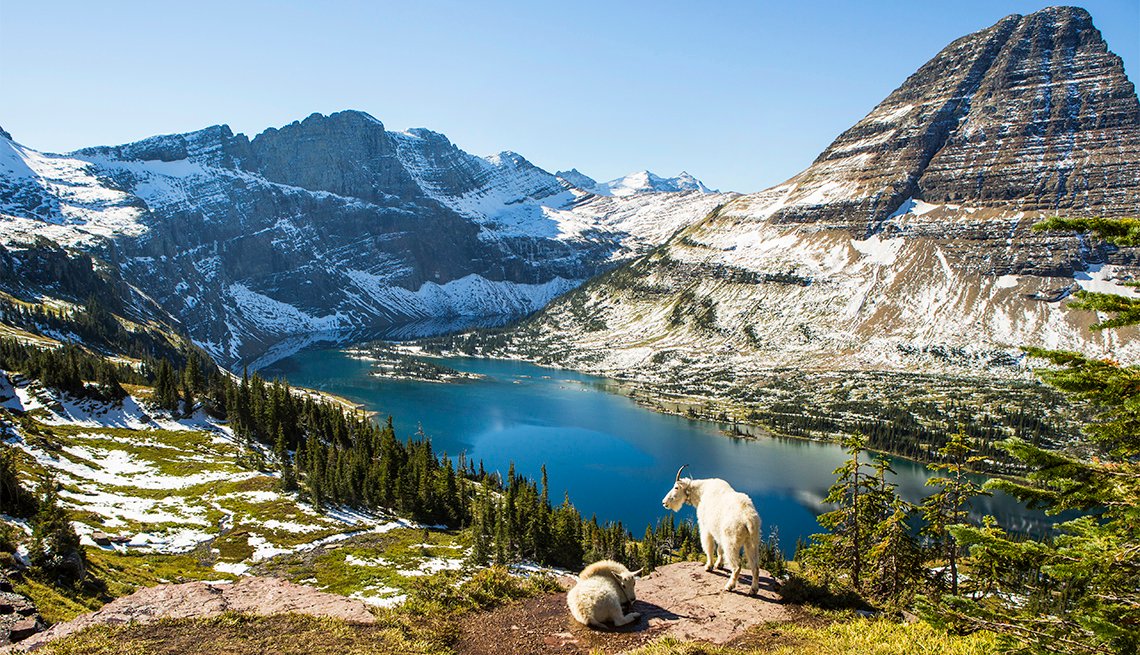
Gore also claimed that Glacier National Park would lose all its glaciers in 15 years.
Gore declared, “Within 15 years this will be the park formerly known as Glacier.”
Yet in 2020, even CNN reported that the park removed signs predicting the glaciers would disappear by that year. The glaciers remain today.
He extended his warnings to Argentina and Peru, suggesting their glaciers were at risk. By 2025, photos of the El Perito Moreno glacier showed it was not only present but still growing, described as “one of the few glaciers in the world still growing.”
CO2 Graphs and Timelines That Did Not Match Reality
In the film, Gore uses a dramatic graph to portray rapid warming, but the timeline intentionally excludes decades of global cooling. He leans on Antarctic ice core samples that represent only a small fraction of Earth’s climate history. He then predicts CO2 levels would exceed 750 ppm by 2056. Current levels sit near 420 ppm. At the observed rate, reaching 750 ppm would take nearly 185 years, not 50.
Heat Waves, Hurricanes, and Weather Claims That Fell Apart
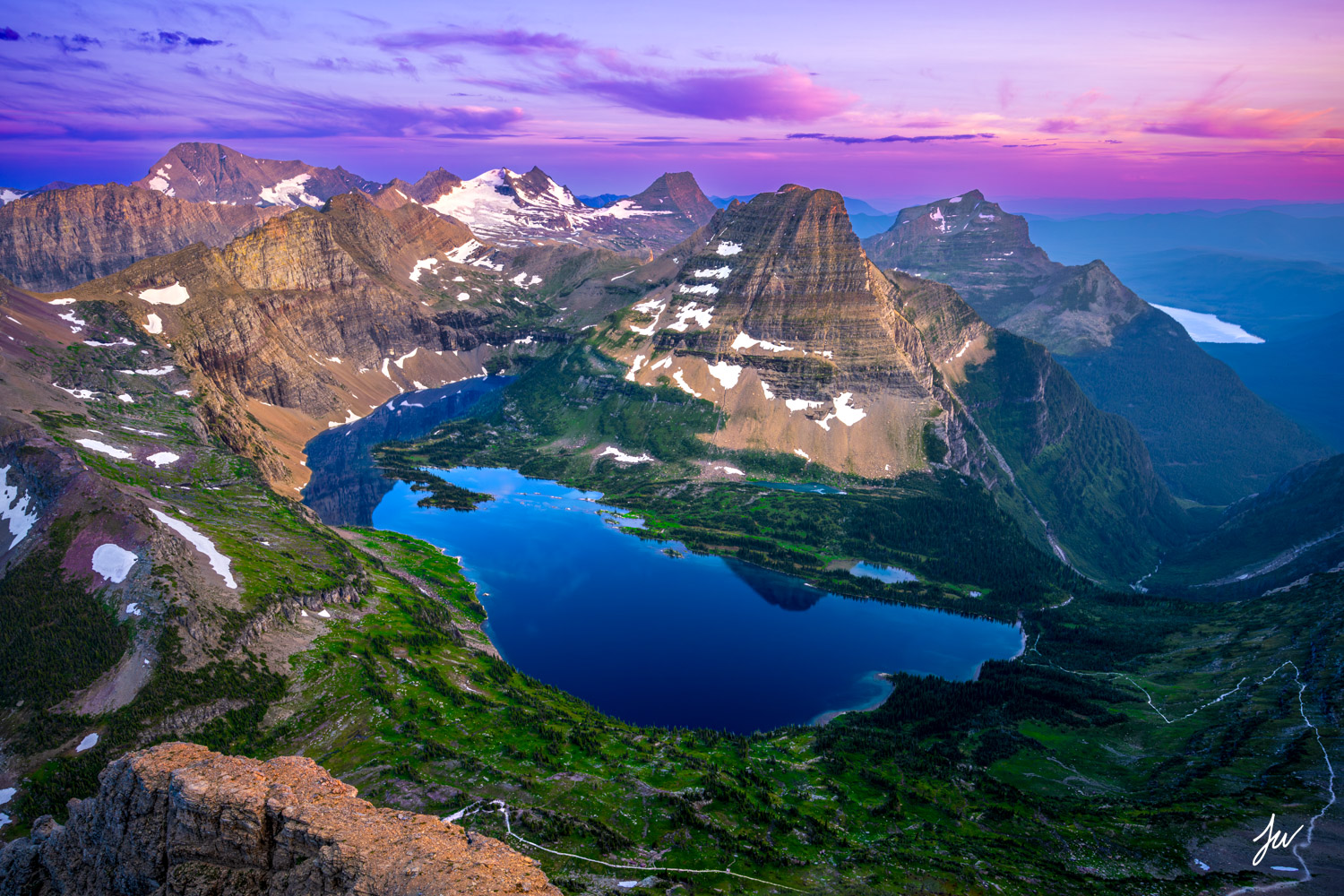
Gore points to record heat in 2005 as evidence of runaway warming. Yet temperatures have varied. Las Vegas, for example, had 86 days above 100 degrees in 2006 and 77 such days in 2025.
He also warned that hurricanes would become more frequent and severe. Data shows a different trend. Between 2003 and 2005, fourteen hurricanes made U.S. landfall. From 2022 to 2024, the number was eight. NOAA predicted an above average 2025 season only to see average or below average activity.
Gore claimed that extreme drought in Africa signaled worsening climate patterns and cited Lake Chad as proof. Modern satellite data shows that since the early 2010s, the lake has not continued shrinking and has shown signs of recovery.
Arctic Ice, Air Travel, and Ongoing Contradictions
Gore warned about rapidly diminishing Arctic sea ice. Measurements from 2025 and 2026 show levels close to those of 2012 and 2013, slightly below the 1980 to 2010 average. During all this, the film shows Gore boarding airplanes while condemning fossil fuel emissions.
Greenland Ice Sheet Reality Versus the Film’s Dramatization
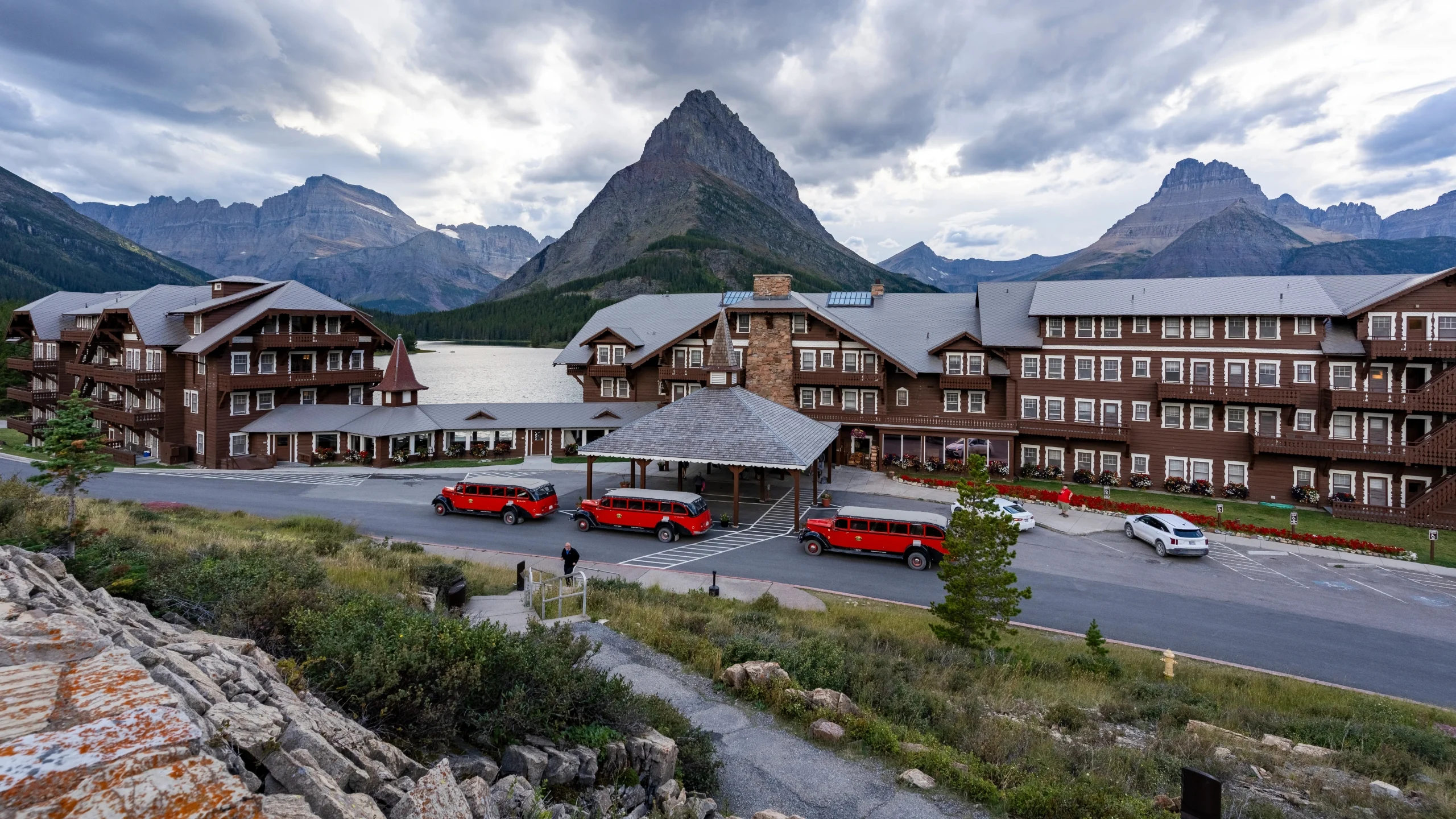
One of Gore’s most alarming scenarios involved the Greenland ice sheet melting and flooding major global cities. Yet the 2024 NOAA Arctic Report Card showed, “The Greenland Ice Sheet lost 55 ± 35 Gt of mass in 2024, the lowest annual ice loss since 2013. This occurred due to above-average snowfall and below-average melting.” Temperatures were described as “close to the 1991-2020 average.”
The 2025 report also found “less loss than the 2003-24 annual average” due to “above-average snowfall and below-average melt.”
A January 2026 study further demonstrated that “Prudhoe Dome, a 500-meter-thick ice cap on the northwestern Greenland ice sheet, was completely ice-free around 7,100 years ago with temperatures 3-5°C higher than they are today.” Meteorologist Chris Martz explained this “goes to show that these processes can happen naturally without any anthropogenic influence.”
The Aral Sea and the Limits of Gore’s Narrative
Gore used the Aral Sea collapse as another example of environmental catastrophe. In reality, the region’s damage stemmed from “poorly thought-out irrigation strategies introduced by the Soviet Union in the 1960s-70s.” Modern restoration efforts have increased the North Aral Sea’s water volume by “42%.” His argument about scientific consensus has also weakened over time as new research challenges long standing assumptions.
Gore also displayed a quote stating, “It’s difficult to get a man to understand something when his salary depends upon him not understanding it.” That criticism now applies directly to the climate funding ecosystem he relies on.
Economic Promises That Never Arrived
Gore said that environmental action would create “a lot of wealth and a lot of jobs.” Instead, countries with aggressive climate mandates have faced rising costs and shrinking energy output. U.S. Energy Secretary Chris Wright recently highlighted that Germany invested “half a trillion” in clean energy, doubled grid capacity, produced 20 percent less electricity, and sold it at three times the price.
In the United States, the Ivanpah Solar Power Facility became a $2.2 billion failure after missing production targets and harming wildlife.
Electric vehicle mandates have been equally costly. Ford discontinued its Lightning truck due to poor demand, and Porsche’s CEO resigned after the company’s EV strategy damaged performance.
At the same time, Gore urges individuals to lower their carbon footprint while his political allies purchase multimillion-dollar properties. The film ends by asking, “Are you ready to change the way you live?” Yet the people promoting these changes appear unwilling to alter their own lifestyles.
Two decades later, the predictions central to An Inconvenient Truth have repeatedly failed, leaving little evidence to support the panic that once gripped the world.