

A growing political storm is building around Greenland as a Republican lawmaker moves to place the Arctic island on a path toward joining the United States. The effort comes as former President Donald Trump intensifies his public push for the territory to come under American control, reviving a long-running debate that blends national security, global strategy, and partisan tension.
The Bill That Could Open the Door
Rep. Randy Fine of Florida is introducing a bill authorizing the president “to take such steps as may be necessary” to acquire Greenland. According to Fine, the proposal is meant to support the administration’s efforts and lay the groundwork for the island’s future status.
“I think it is in the world’s interest for the United States to exert sovereignty over Greenland,” Fine said.
He explained that Congress would still need to take the final vote on statehood. “Congress would still have to choose to make it a state, but this would simply authorize the president to do what he’s doing and say the Congress stands behind him. And then it would expedite it into becoming a state, but it would still be up to Congress about whether to do that.”
Strategic Stakes Rise as Diplomacy Intensifies

Tensions around the issue increased after Secretary of State Marco Rubio announced plans to meet with officials from Denmark to discuss the island’s future. Trump has revived his earlier calls for the United States to acquire Greenland, repeatedly arguing that its strategic position makes it essential for American security.
Republican lawmakers have echoed that point, citing the island’s proximity to Russia and the critical minerals locked beneath its surface.
Greenland Pushback and Domestic Debate
Greenland’s own leaders have made clear they oppose the idea of U.S. control, saying, “We don’t want to be Americans.” Still, Fine argues that Washington could offer more stability and opportunity than the island currently receives.
“Their poverty rate is high. Denmark hasn’t treated them well,” Fine said. “When war came to town, Denmark couldn’t protect them. Guess who protected Greenland during World War II? We did.”
His comments reflect a wider sentiment among some conservatives who see American oversight as both a humanitarian and geopolitical advantage.
Concerns Over Military Intervention
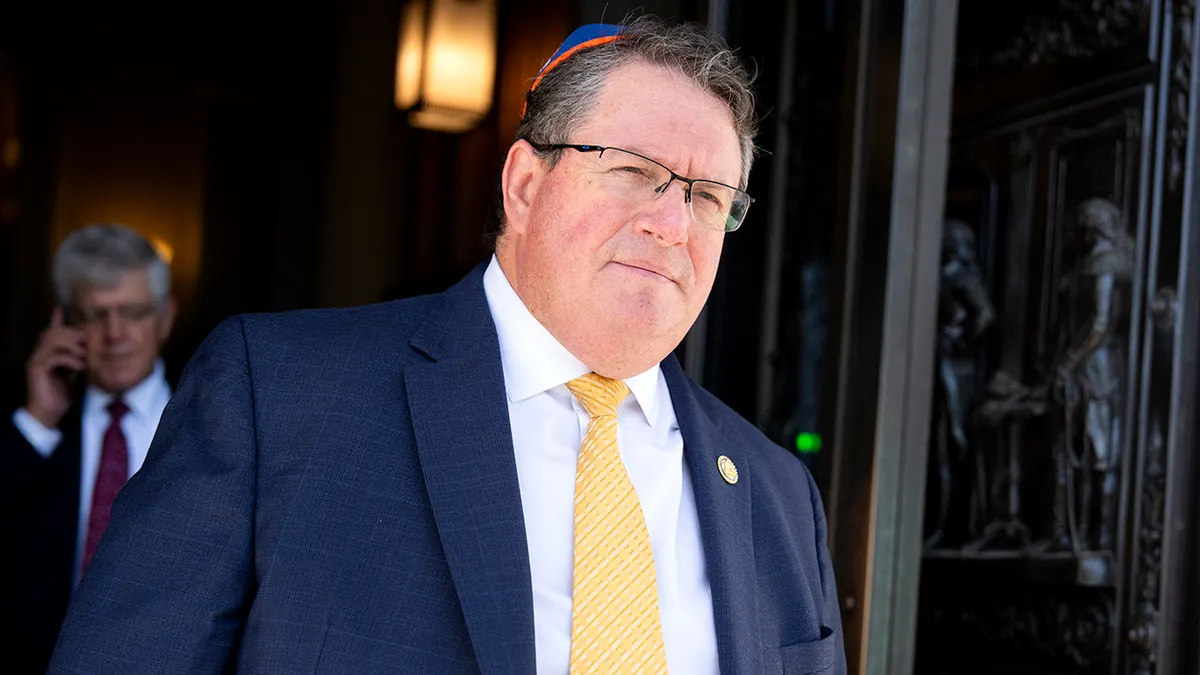
However, the political atmosphere shifted sharply after the White House press secretary recently refused to rule out using military force to secure Greenland. That moment unsettled several GOP members, raising questions about how far the administration might go.
Asked if he supported using force, Fine was direct. “I think the best way to acquire Greenland is voluntarily.”
He continued by linking the issue to global power dynamics. “The poverty rate in Greenland is much, much higher than it is in Denmark. The country is run by socialists, and it is not in America’s interests to have a territory that large between the United States and Russia run by socialists.”
How Statehood Would Work
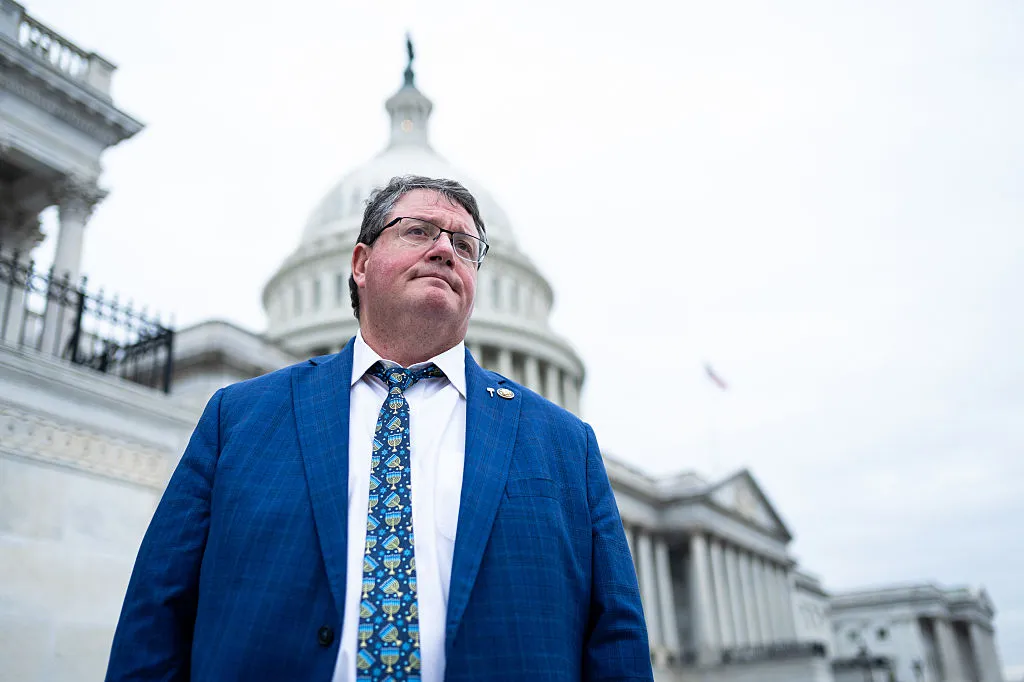
The Constitution gives Congress authority to admit new states. Traditionally, the process requires lawmakers to approve the formation of a territory, after which residents draft a constitution. Only after Congress votes again, and the president signs it, does a new state officially join the Union.
Fine’s bill would not guarantee statehood, but it would mark the most aggressive legislative step taken toward it in modern history.