

Federal Reserve Chair Jerome Powell is now at the center of a criminal investigation launched by the U.S. attorney’s office for the District of Columbia. Prosecutors are digging into the Fed’s massive renovation project in Washington and whether Powell provided truthful testimony to Congress about the project’s cost and scope.
Powell acknowledged late Sunday that federal investigators had formally notified the central bank. He said he respected the legal process and congressional oversight, yet he also described the Justice Department’s move as “unprecedented” and politically driven.
“This new threat is not about my testimony last June or about the renovation of the Federal Reserve buildings,” Powell said in a video statement Sunday evening.
Powell Pushes Back on Motives Behind Probe
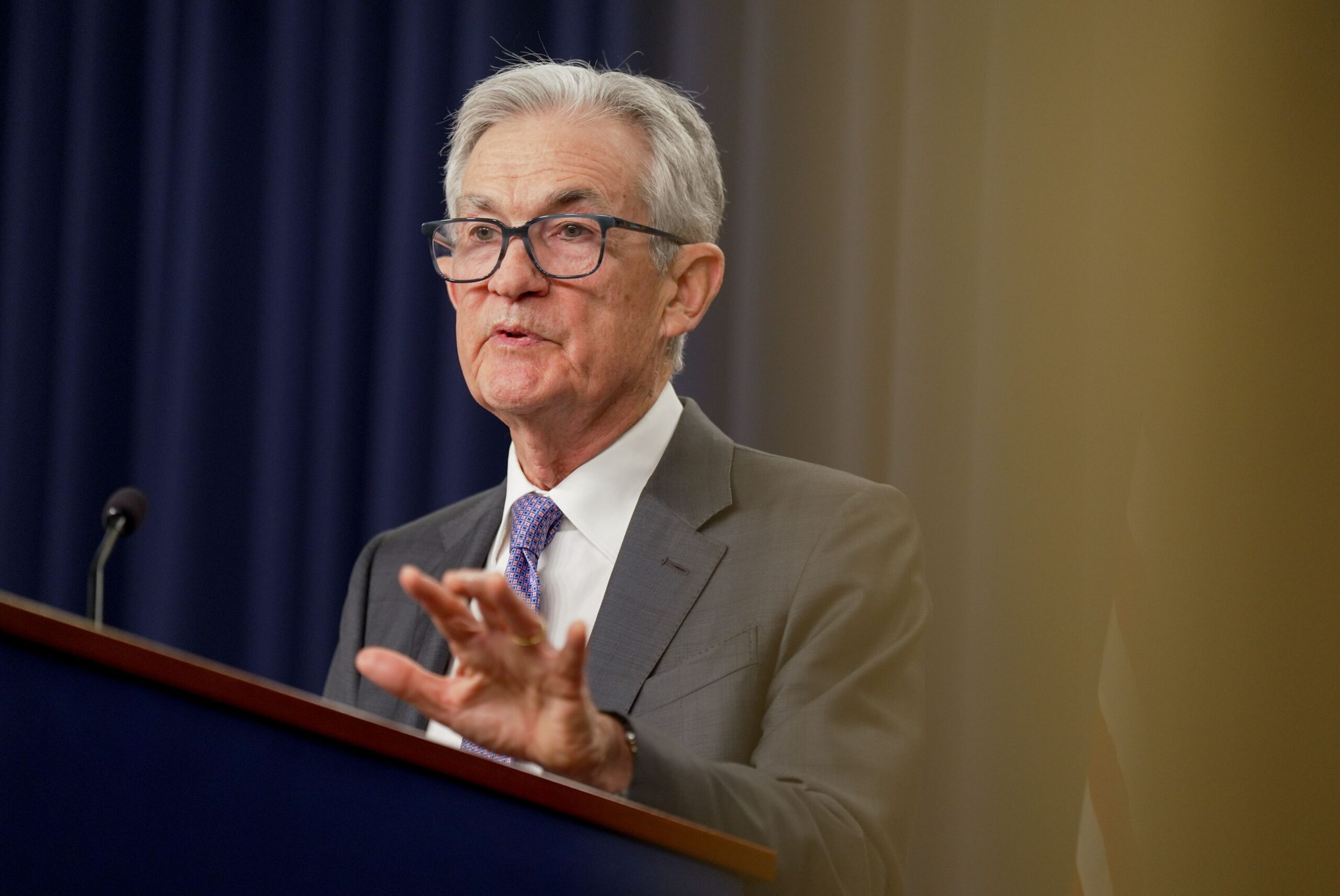
The Fed Chair argued that the criminal threat has little to do with construction details and everything to do with the White House’s frustration over interest rate policy.
“The threat of criminal charges is a consequence of the Federal Reserve setting interest rates based on our best assessment of what will serve the public, rather than following the preferences of the President,” he added.
The White House offered no immediate comment.
A Presidency and a Fed Chair Locked in Conflict
The relationship between President Donald Trump and Powell has cratered over the last year. Trump has repeatedly demanded deep rate cuts, insisting they could save the country “hundreds of billions of dollars.” Powell held the benchmark rate at 4.25 percent to 4.5 percent for months while the Fed gauged the economic shockwaves from Trump’s sweeping tariffs.
Although the central bank later trimmed rates, the president’s criticism only intensified. His rhetoric toward Powell, whom he appointed in 2017, has increasingly turned personal.
The strain has spilled beyond monetary policy, reaching new levels with the criminal inquiry now underway.
Inside the $2.5 Billion Fed Renovation
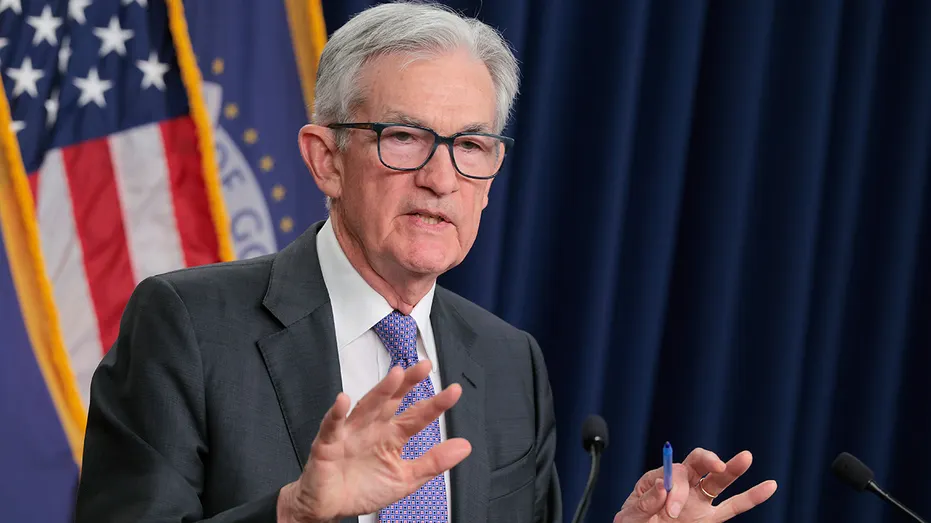
The project at the heart of the showdown involves the refurbishment of the Federal Reserve’s two main buildings in Washington’s Foggy Bottom neighborhood. The expected price tag is roughly $2.5 billion, funded entirely by the Federal Reserve’s own revenues. The Fed does not rely on Congress for its operating budget, which covers employee compensation, facilities, and large capital projects.
Its funding primarily comes from interest on government securities and fees charged to financial institutions.
The renovation includes updates to the Marriner S. Eccles building, whose aging infrastructure Powell has long argued is deteriorating.
In June 2025, Powell told senators, “There’s no new marble. There are no special elevators. They’re old elevators that have been there. There are no new water features. There are no beehives, and there’s no roof garden terraces.”
He also emphasized that no official looks forward to tackling a massive restoration on their watch. “We decided to take it on because, honestly, when I was the administrative governor, before I became chair, I came to understand how badly the Eccles Building really needed a serious renovation,” Powell said, calling the facility “not really safe” and not waterproof.
The Fed has blamed some of the cost increases on inflation and unforeseen construction complications. The project is on track for completion in fall 2027, with employees expected to return by March 2028.
Trump Has Mocked the Project for Years
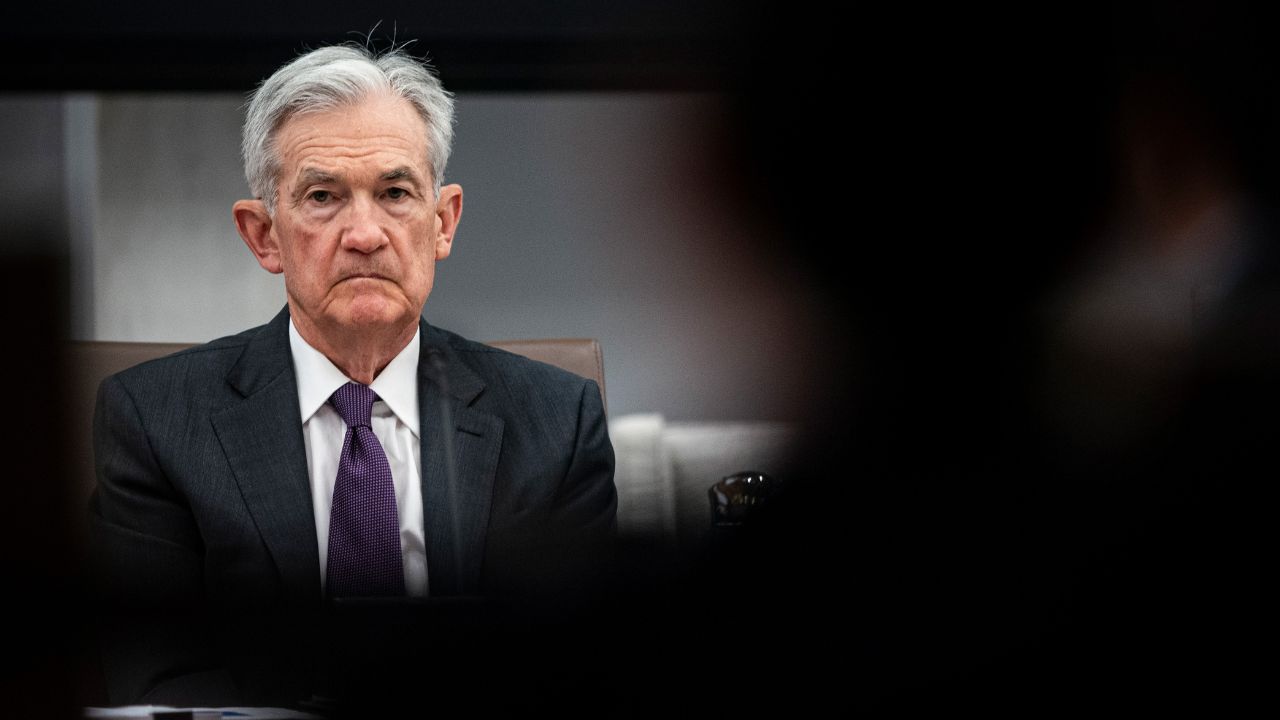
The president has long derided the renovation’s scope and price, even threatening legal action. He saved some of his harshest criticism for Powell personally.
“They’re building a basement into the Potomac River. I could have told them. That’s very tough to do, and it doesn’t work, and it’s very expensive,” Trump said in November. “But they’re up to $4 billion, headed by this clown,” he added, referring to Powell.
Despite the political storm, the construction timeline remains unchanged. Washington-based staff are still expected to move into the restored building by March 2028.