

Iran’s unrest intensified Thursday as anti-regime protests stretched into a fifth straight day, leaving multiple cities rattled by clashes, arrests, and a rising death toll. What began as economic anger is now spilling into open defiance, raising a stark question for Tehran’s leadership: can the state still contain the streets?
Violence Escalates Across Major Cities
Demonstrations flared across Tehran and several provincial cities overnight, with security forces confronting crowds well into the morning hours. State-linked outlets and human rights organizations reported additional fatalities, making Thursday the bloodiest day since the unrest erupted.
Authorities acknowledged at least one death, while opposition-linked monitors said seven protesters were killed by security forces in a single day. The competing accounts underscore how difficult it has become to independently confirm casualties as the situation spirals.
Meanwhile, opposition activists reported ongoing street clashes in Tehran and cities including Marvdasht, Kermanshah, Delfan, and Arak. In the southwestern town of Lordegan, they claimed two protesters were killed by direct gunfire, though those deaths could not be independently verified.
Lordegan Becomes a Flashpoint
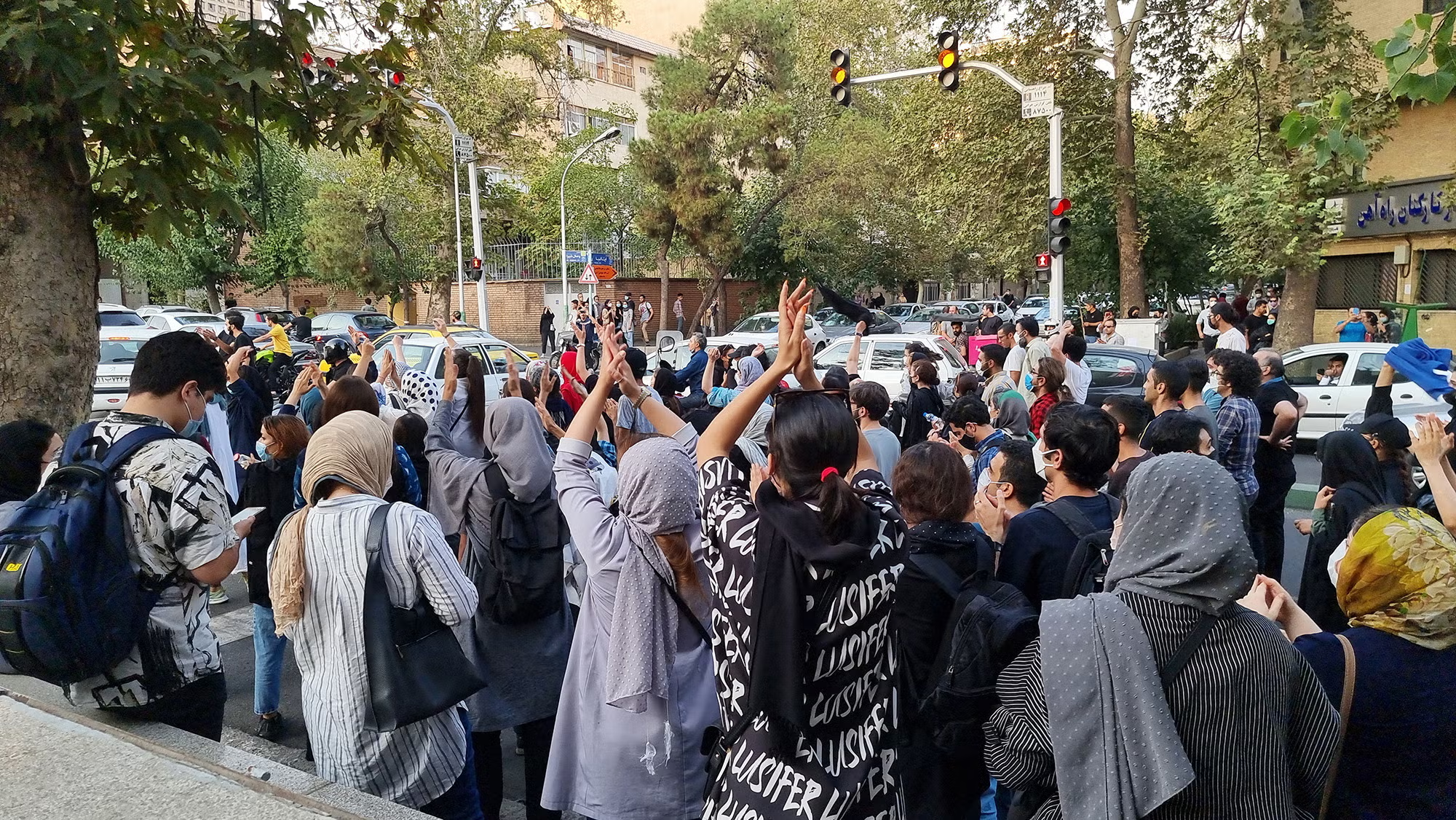
Lordegan, in Chaharmahal and Bakhtiari province, emerged as one of the most volatile flashpoints. Crowds reportedly hurled stones at government buildings, including the governor’s office, judicial facilities, religious complexes, and banks.
Security forces responded with tear gas as multiple buildings sustained heavy damage. State-affiliated media confirmed two deaths during the clashes but did not clarify whether those killed were protesters or members of the security forces.
Conflicting narratives followed. Kurdish rights monitors said protesters were killed by security forces. Authorities countered that a member of a volunteer paramilitary unit was killed in nearby Kuhdasht, with more than a dozen others wounded, blaming demonstrators. Rights groups disputed that claim, saying the individual was a protester shot by security forces. Neither version could be independently confirmed.
More Deaths Reported Overnight
Elsewhere, a 37-year-old man was shot dead during overnight protests in Fooladshahr, in Isfahan province. Independent investigators said they verified the man’s identity and reviewed video footage of the incident. Provincial police confirmed the death of a 37-year-old citizen but offered no further explanation.
In Tehran, six women detained during demonstrations were transferred to the women’s ward of Evin prison, according to U.S.-based human rights monitors. The arrests added to growing concerns about mass detentions as authorities attempt to regain control.
From Economic Anger to Open Defiance
The protests began Sunday when shopkeepers and merchants took to the streets over soaring inflation, unemployment, and the rapid collapse of Iran’s currency. Within days, the unrest spread far beyond bazaars, drawing in students and broad segments of the public.
What started as bread-and-butter grievances has since evolved. In several cities, demonstrators are now openly directing their anger at Iran’s political leadership, signaling a shift from economic protest to outright political challenge.
Government Shutdown and Official Response
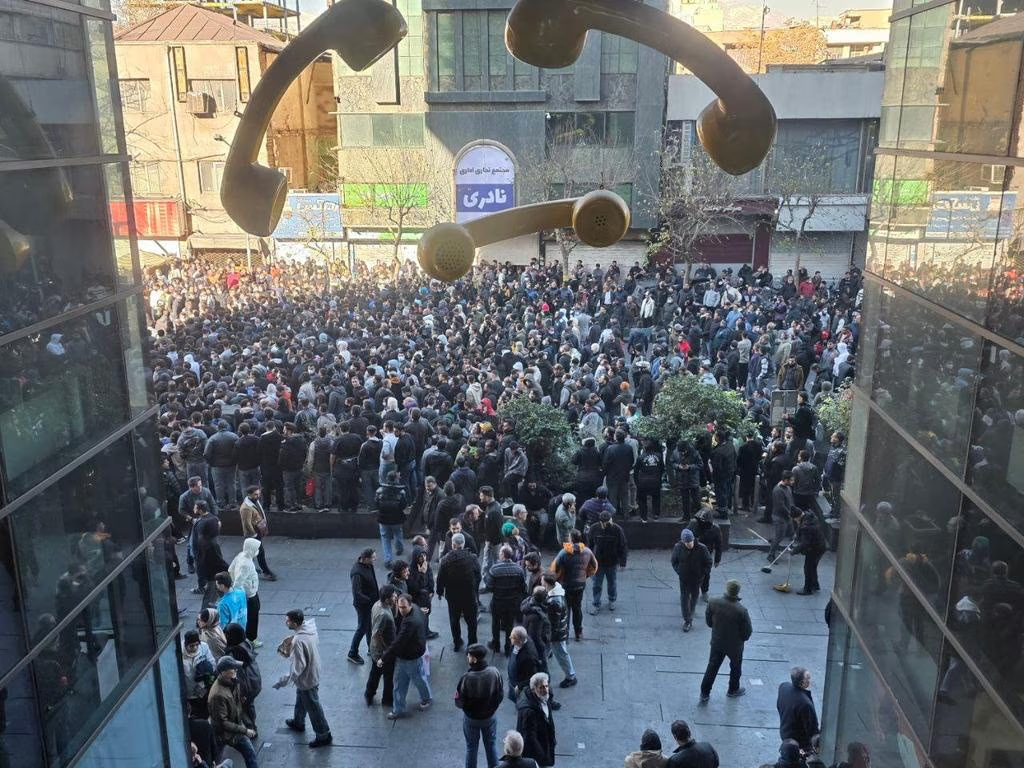
On Wednesday, authorities announced a nationwide shutdown across 21 provinces, officially citing extreme cold weather. At the same time, officials said the government was willing to engage merchants and trade unions over what it described as “legitimate demands.”
The move did little to calm the streets. Many protesters viewed the shutdown as an attempt to disrupt demonstrations rather than address the root causes of the unrest.
Dissidents Call for Regime’s End
Exiled opposition figures seized on the moment, framing the protests as a turning point. Maryam Rajavi, the President-elect of the National Council of Resistance of Iran, issued a blistering statement declaring:
“The four-day uprising by merchants, students, and other sectors of society signals the Iranian people’s determination to be free from religious tyranny. This wretched regime is doomed to be overthrown by the risen populace and rebellious youth. The final word is spoken in the streets by the people and the rebellious youth, those with nothing left to lose. This regime must go.”
Another prominent dissident voice, Crown Prince Reza Pahlavi, also appealed for global backing, urging the international community “to stand with the people of Iran.”
Crown Prince Reza Pahlavi added, “The current regime has reached the end of the road. It stands at its most fragile: weak, deeply divided, and unable to suppress the courage of a rising nation. The growing protests show this year will be the definitive moment for change.”
A Familiar Pattern, With New Stakes
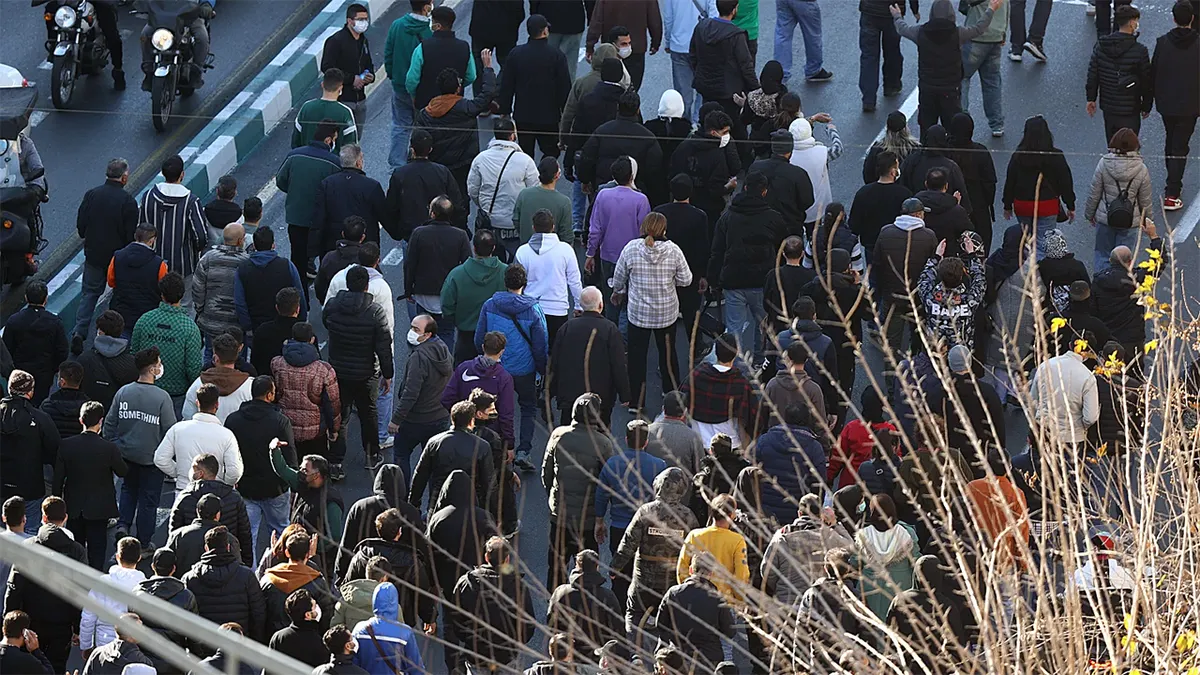
Iran has endured repeated waves of unrest over the past decade. The last major nationwide protests followed the 2022 death of 22-year-old Mahsa Amini after her detention by the morality police, demonstrations that focused heavily on women’s rights and state repression.
This time, however, the spark is economic desperation layered onto years of sanctions, runaway inflation, and currency collapse. Still, as the fifth day of protests turns deadly, the message from the streets is growing louder and more political by the hour.