

Business leader questions whether HomlessnessHomeless’s ambitious plan can deliver lasting results, warning that Los Angeles could see homeless encampments return once the Olympic Games end.
Los Angeles’ incoming mayor, Nithya Raman, has made an ambitious pledge to reduce the city’s homeless encampments by at least 50% before the 2028 Summer Olympics. However, her proposal is already facing skepticism from local business leaders who question whether her administration can deliver meaningful, long-term improvements.
Raman, a member of the Democratic Socialists of America, made homelessness a central issue during her mayoral campaign. Her proposed strategy includes expanding shelters, increasing affordable housing options and making better use of existing public funds.
She has also promised to stretch “every dollar as far as possible” while addressing one of the city’s most persistent challenges.
Nevertheless, John Alle, a Los Angeles business owner and co-founder of the Santa Monica Coalition, believes the incoming administration could struggle to achieve its ambitious targets before thousands of international visitors arrive for the Olympics.
Business Leader Warns Los Angeles Cannot Hide Its Homelessness Crisis
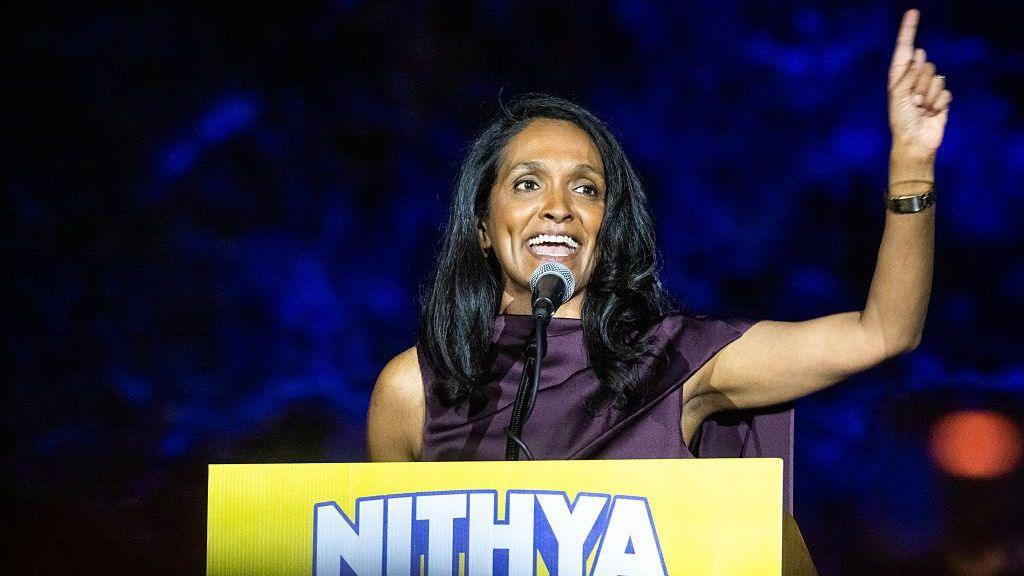
Alle believes the city’s homelessness problem has become too visible to conceal from international visitors, particularly as concerns about public safety and the condition of commercial areas continue to grow.
“I don’t think we’re going to be able to hide that before the crowds,” Alle said, adding that the city has become a “Third World country.”
He argued that the consequences extend beyond the appearance of homeless encampments, pointing to concerns about tourism, retail activity and public confidence.
“We’re not hiding it now. We’re seeing tourists being attacked in Santa Monica. We’re seeing tourists being attacked in LA. Our tourism, everything that funds our general fund, our retail sales taxes are all down. The morale of the police, which we need, is down.”
According to Alle, these problems threaten businesses and the wider local economy. He also questioned whether Raman’s proposed measures would address the underlying causes of homelessness or simply move the visible problem elsewhere.
Olympics Could Bring Temporary Changes, Not Permanent Solutions
One of Alle’s biggest concerns is that Los Angeles might temporarily clear encampments ahead of the international sporting event without establishing a sustainable strategy.
He suggested that authorities could relocate homeless individuals before the Games to improve the city’s appearance, only for the situation to return to its previous condition afterward.
“When the Olympics come, they’ll be picked up, they’ll be bussed, they’ll be sent elsewhere, and they’ll wander right back after the three-week Olympic and Paralympic events.”
Los Angeles is preparing to host the Olympics for the first time since 1984. Former Mayor Karen Bass formally accepted the Olympic flag during the closing ceremony in Paris in 2024.
However, the latest homelessness figures present a difficult backdrop for the city’s preparations.
According to the Los Angeles Homeless Services Authority’s 2026 annual count, homelessness increased by 3.4% in Los Angeles and 1.2% across the wider Los Angeles area. The increase reversed two consecutive years of declines recorded during Bass’s administration.
What Nithya Raman Plans to Change
Raman’s homelessness strategy focuses on expanding housing availability, increasing shelter capacity and providing rental assistance.
She has pledged to eliminate long-term encampments by the end of her first term through a combination of housing initiatives and direct intervention.
Previously, Raman described the city’s “desensitization to homelessness” as a “moral failing.”
Her proposal also includes sending medical outreach teams directly into homeless encampments. These teams would provide mental health services, addiction treatment and assistance in transitioning individuals into permanent housing or appropriate care within 90 days.
Meanwhile, Raman has criticized Bass’s Inside Safe initiative, which frequently relies on expensive hotel and motel placements for homeless residents.
Instead, she wants to redirect more funding toward alternatives such as rental vouchers, which could provide housing assistance at a lower cost.
Additional proposals include deploying unarmed crisis response teams instead of police officers for certain emergencies, reviewing delayed housing developments and increasing oversight of public spending on homelessness programs.
Critics Question Whether Her Approach Goes Far Enough
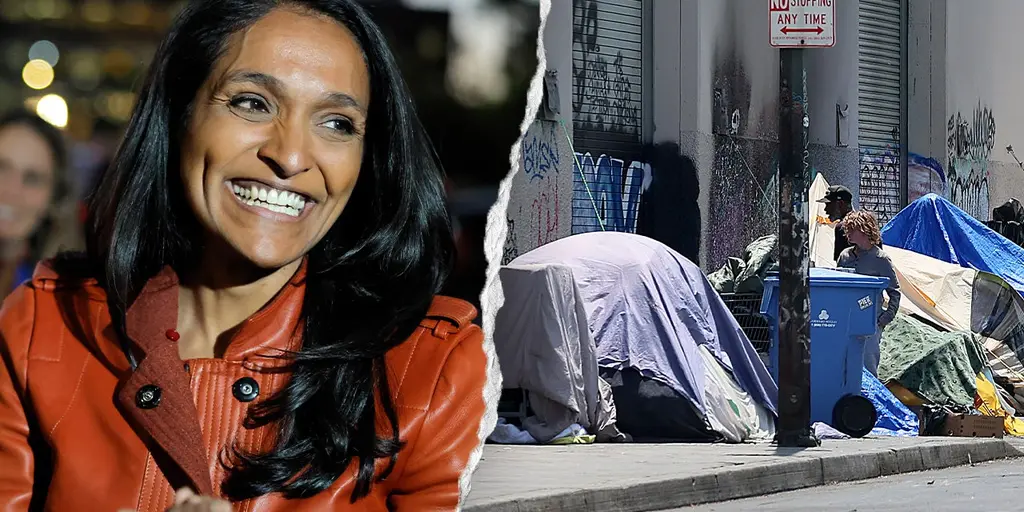
Despite the proposed changes, Alle remains unconvinced that Raman’s strategy represents a meaningful departure from the city’s previous approach.
“It’s not that much different than Mayor Karen Bass’s plan,” Alle said.
Alle manages approximately one million square feet of commercial property throughout Los Angeles, giving him direct exposure to the challenges facing local businesses and property owners.
He argued that providing services to homeless individuals while they remain on the streets will not necessarily resolve the crisis. In his view, the city needs to move people into dedicated facilities rather than allowing encampments to remain near public spaces used by families and vulnerable residents.
“Pick up the individuals and take them to their facilities away from the parks, away from kids, away from seniors,” he said.
He also questioned how effectively the city has managed the more than $1 billion allocated to homelessness initiatives.
Before approving additional taxpayer funding, Alle believes officials should provide greater transparency about how previous allocations were spent.
“She’s got a billion-dollar problem on her hands right now, and she knows,” he said.
Proposed Spending Audit Receives Some Support
Raman previously chaired the City Council’s Housing and Homelessness Committee from 2023 until her removal earlier this year amid her mayoral campaign.
Alle acknowledged that her proposal to investigate homelessness-related spending could be a positive step, particularly if it identifies inefficiencies among organizations receiving public money.
“To her credit, she wants to audit every single nonprofit and every single agency that spent money, including the nonprofits that are supported by the city with taxpayer funds for programs,” he said.
However, he also raised concerns about the location and operating requirements of supportive housing facilities.
According to Alle, placing certain facilities close to residential neighborhoods, parks and schools could create additional challenges for families. He also questioned whether some housing arrangements adequately address substance abuse.
“There is no commitment for anyone not to use drugs while they’re there,” Alle said.
Alle further pointed to Raman’s previous opposition to restrictions on camping in public spaces and near schools, arguing that her position raises questions about how firmly her administration intends to address encampments.
He believes the proposed measures do not go far enough.
“I don’t see the solutions that have been put forth that could work being used, and, so, I’m not optimistic,” he said.
Drug Addiction and Mental Health at the Center of the Debate
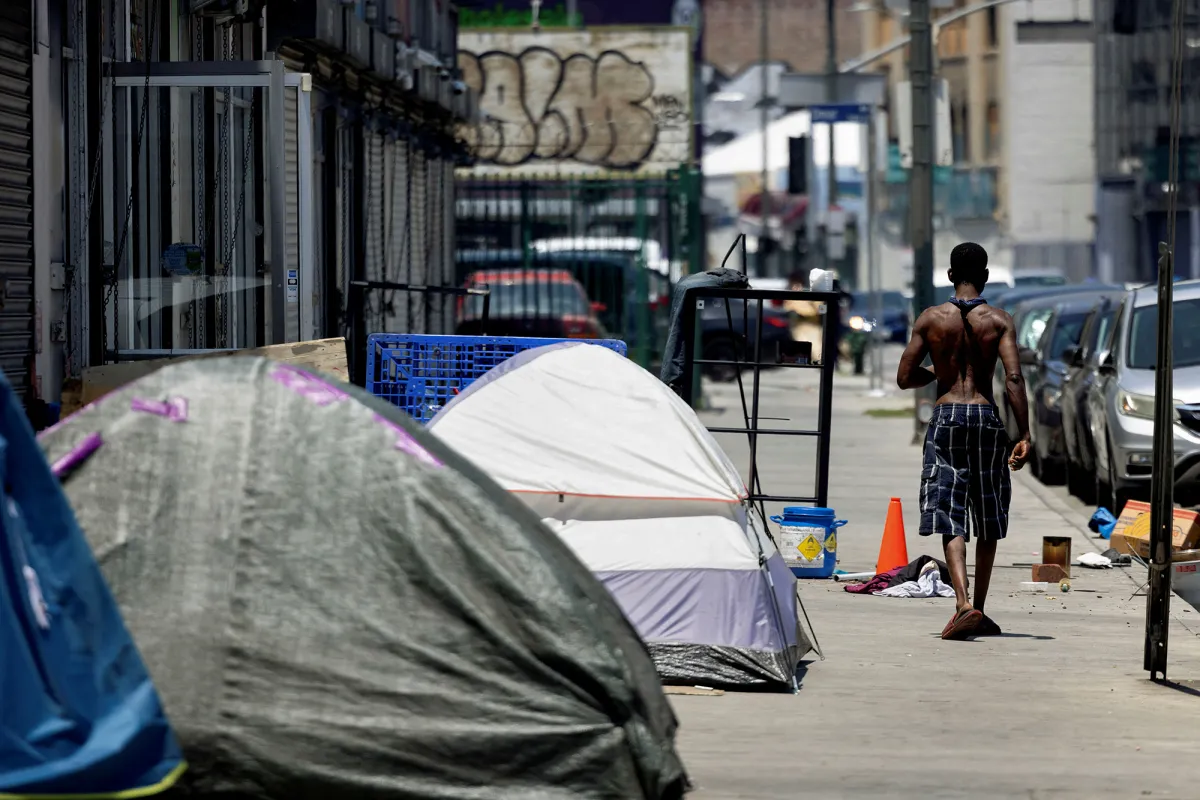
Alle believes Los Angeles must confront substance abuse and mental health challenges as central parts of its homelessness strategy.
Rather than focusing primarily on making life on the streets more manageable, he argued that the city should prioritize moving people into appropriate treatment and support facilities.
He maintains that without addressing these underlying issues, efforts to reduce encampments will produce limited results.
“Until those two issues are addressed, we’re not gonna solve homelessness,” he said.
He also urged Raman to reconsider the city’s approach to outreach services and called for an end to Los Angeles’ sanctuary city status.
Despite his criticism, Alle said he hopes the incoming mayor can deliver meaningful improvements.
“Of course, I want her to succeed,” he said. “If Nithya succeeds, we all succeed.”
Raman defeated Karen Bass in the midterm elections and is scheduled to take office in December. She will inherit responsibility for governing a city of approximately four million residents, with homelessness, public safety and economic confidence among the most pressing challenges.
With the 2028 Olympics approaching, her administration will face growing pressure to demonstrate that its promises can translate into measurable results. The central question is whether Los Angeles can achieve a lasting reduction in homelessness rather than simply changing the city’s appearance for the duration of a major international event.