

A major legal battle between President Donald Trump and the British Broadcasting Corporation has cleared another hurdle after a federal judge allowed Trump’s $10 billion defamation lawsuit to proceed.
The ruling marks a significant development in Trump’s fight over a controversial documentary that allegedly manipulated footage from his January 6, 2021, speech, presenting his remarks in a misleading context.
However, the court dismissed one part of Trump’s complaint, leaving the central defamation claim at the heart of the case.
Trump Celebrates Major Legal Development
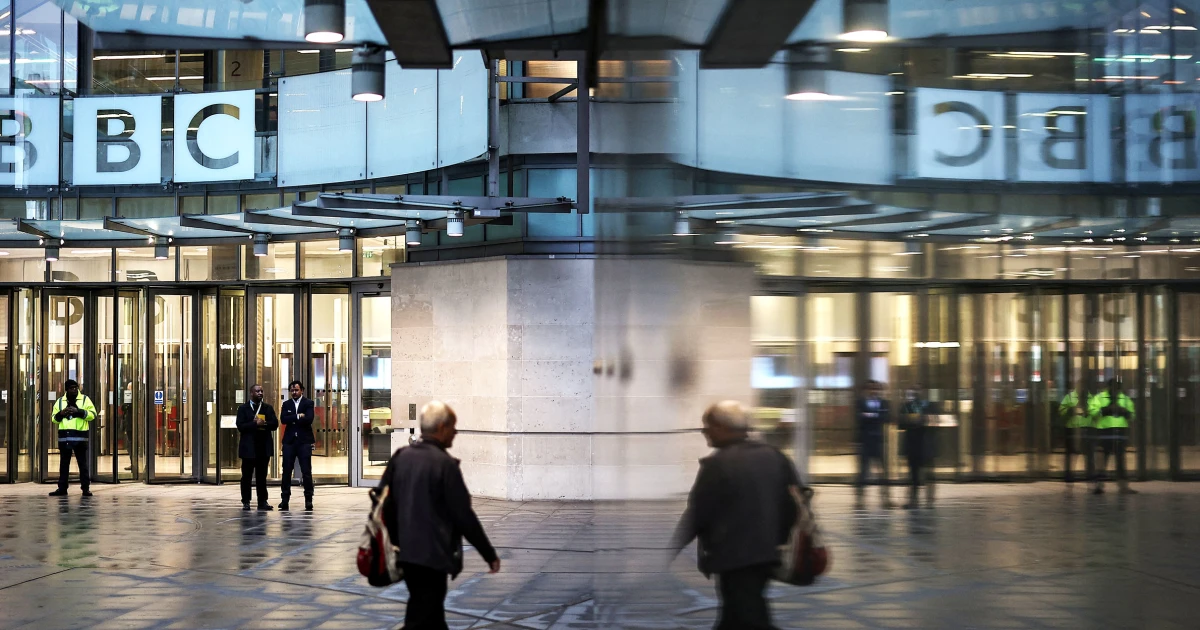
Trump welcomed Tuesday’s decision, describing it as a major victory against what he considers misleading media coverage.
“A Huge Victory against Fake News BBC, a terrible abuser of the truth, just handed down by highly respected District Court Judge, Jeffrey T. Kuntz, of the Southern District of Florida,” Trump wrote on Truth Social.
He then highlighted the judge’s criticism of the broadcaster’s handling of the footage.
“In his powerful ruling, Judge Kuntz wrote,’Here, the news entity created the story. BBC admitted as much by confirming it had edited a video to make it appear as though President Trump made a statement he never made.’ We will continue fighting against, and defeating, all of those who try to deceive the American People!”
The decision allows Trump’s defamation allegations to advance through the legal process, although it does not represent a final determination of liability.
Judge Questions BBC’s Documentary Editing
At the center of the dispute is the BBC’s 2024 documentary, “Panorama,” which featured edited portions of Trump’s January 6 address.
In his ruling, Judge Jeffrey T. Kuntz questioned the broadcaster’s editorial decisions and suggested that the BBC “knew or should have known that the segment they were creating would not and could not have been a truthful statement.”
The judge also emphasized that the broadcaster had access to the complete speech when preparing the documentary.
“This was not trimming around the edges but creating something different than what was stated in the speech. BBC also had the entire speech available to them for nearly three years by the time of the Documentary,” the filing read.
These observations provide an important foundation for Trump’s argument that the edited footage went beyond ordinary editorial decisions and created a false impression of his remarks.
Court Dismisses One Part of Trump’s Lawsuit
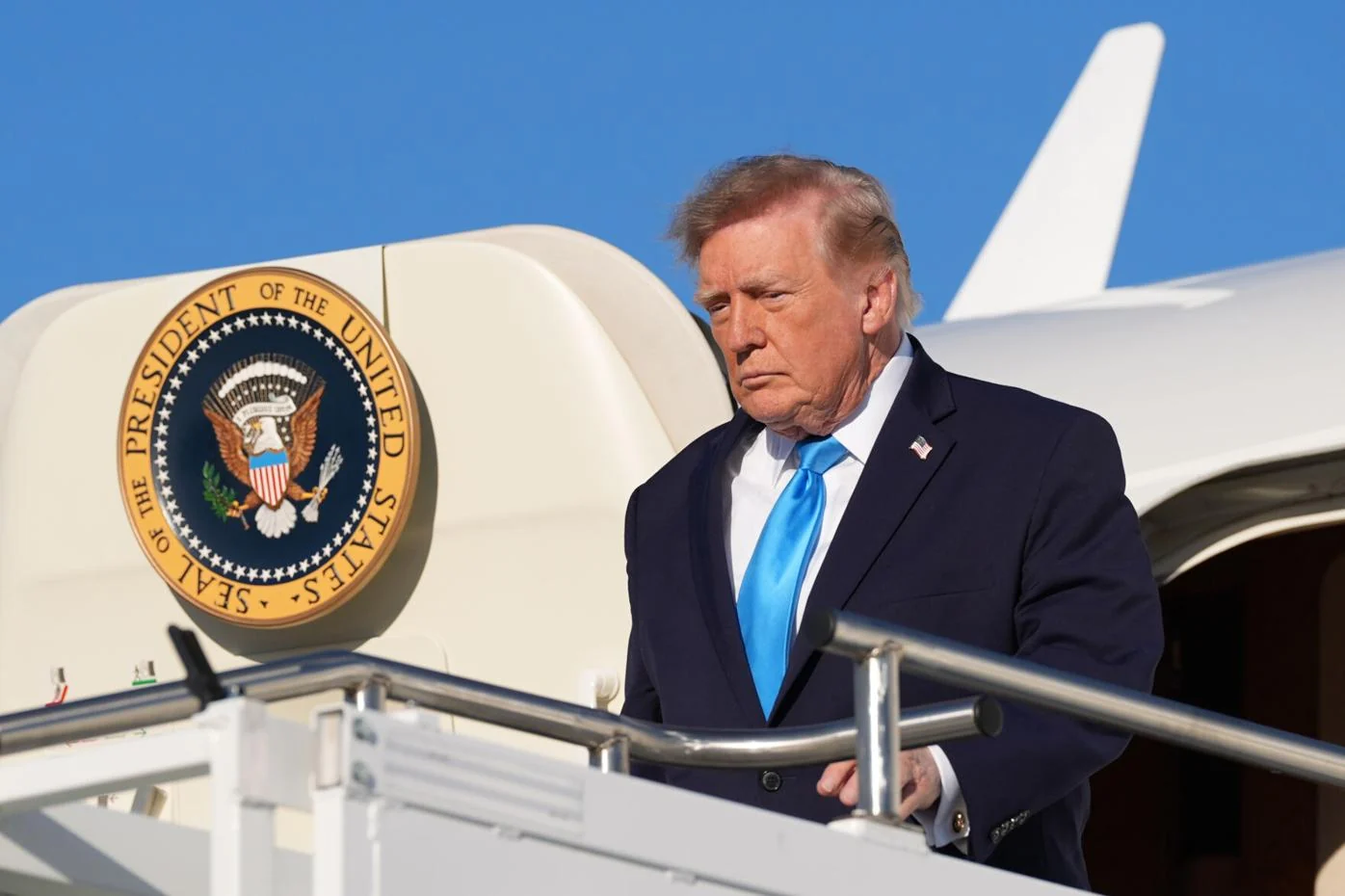
Despite allowing the defamation claim to move forward, the judge rejected Trump’s second allegation, which argued that the documentary violated Florida’s Deceptive and Unfair Trade Practices Act (FDUTPA).
The court concluded that the documentary did not fall under the category of “commercial speech” covered by the law.
Meanwhile, the BBC has been given until December 1 to formally respond to the remaining defamation allegations.
The broadcaster expressed surprise at the decision but said it would continue defending its position through the appropriate legal channels.
“We are surprised by this decision but respect the Court’s authority and note the case will now proceed to the next stage. We remain confident in our position and will continue to respond through the proper legal process. It would be inappropriate to comment further while proceedings are ongoing,” the BBC spokesperson said.
Controversial January 6 Footage Behind the $10 Billion Claim
Trump filed the $10 billion lawsuit late last year over the documentary’s presentation of his January 6, 2021, speech.
The controversy centers on the way separate portions of his address were combined, allegedly changing the meaning of what he told supporters.
The documentary showed Trump saying:
“We’re going to walk down to the Capitol. And I’ll be there with you. And we fight — we fight like hell,”
However, the complete speech contained additional remarks between the statements that appeared in the documentary.
Trump originally said:
“We’re going to walk down to the Capitol. And we’re going to cheer on our brave senators and congressmen and women, and we’re probably not going to be cheering so much for some of them, because you’ll never take back our country with weakness. You have to show strength, and you have to be strong.”
It was approximately 54 minutes later that Trump called on supporters to “fight like hell” in connection with election integrity.
Critics of the documentary argued that removing the intervening remarks created a misleading impression of Trump’s message and omitted his call for supporters to protest peacefully.
BBC Apologized as Senior Executives Resigned
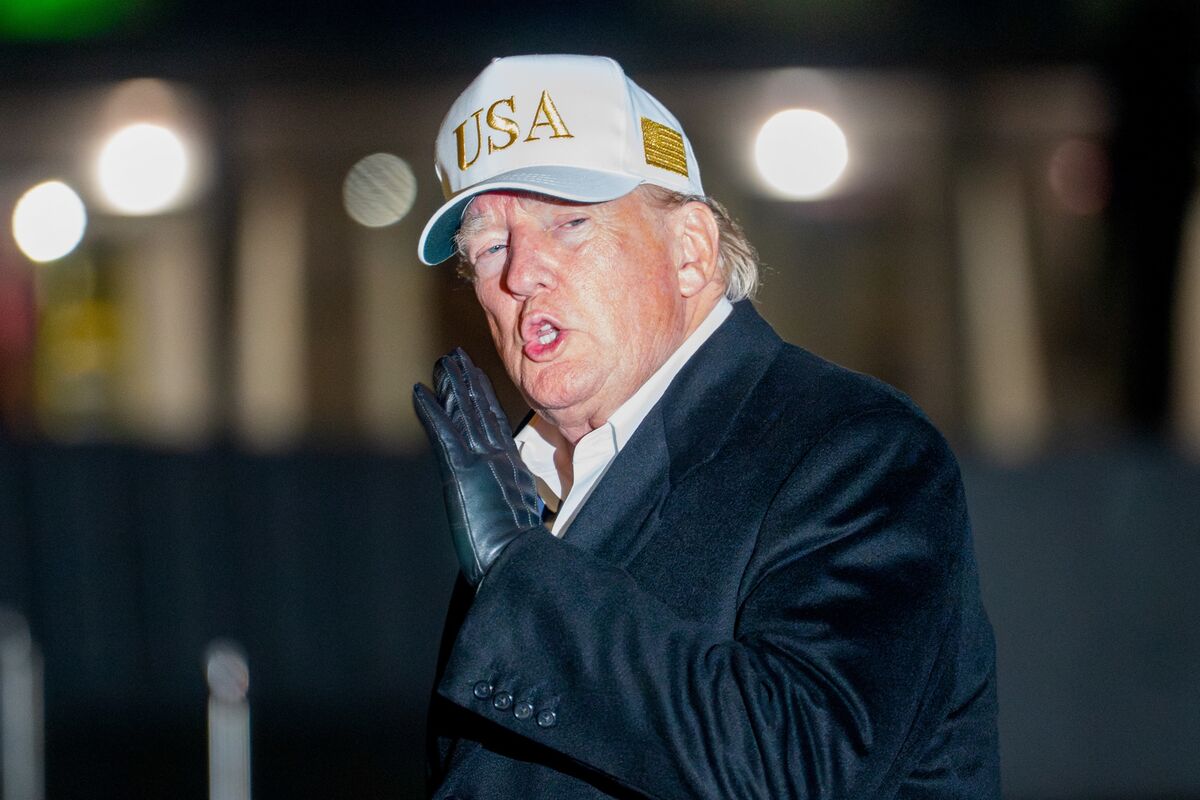
The broadcaster previously acknowledged the controversial editing and issued an apology. It also removed the documentary from its platforms.
Nevertheless, the BBC has consistently rejected Trump’s assertion that the editing amounted to defamation.
The controversy also triggered major leadership changes, resulting in the resignations of then-BBC News CEO Deborah Turness and then-BBC Director-General Tim Davie.
Although the apology addressed the editing controversy, it did not resolve the legal dispute between the broadcaster and the president.
Another Legal Challenge Awaits Trump
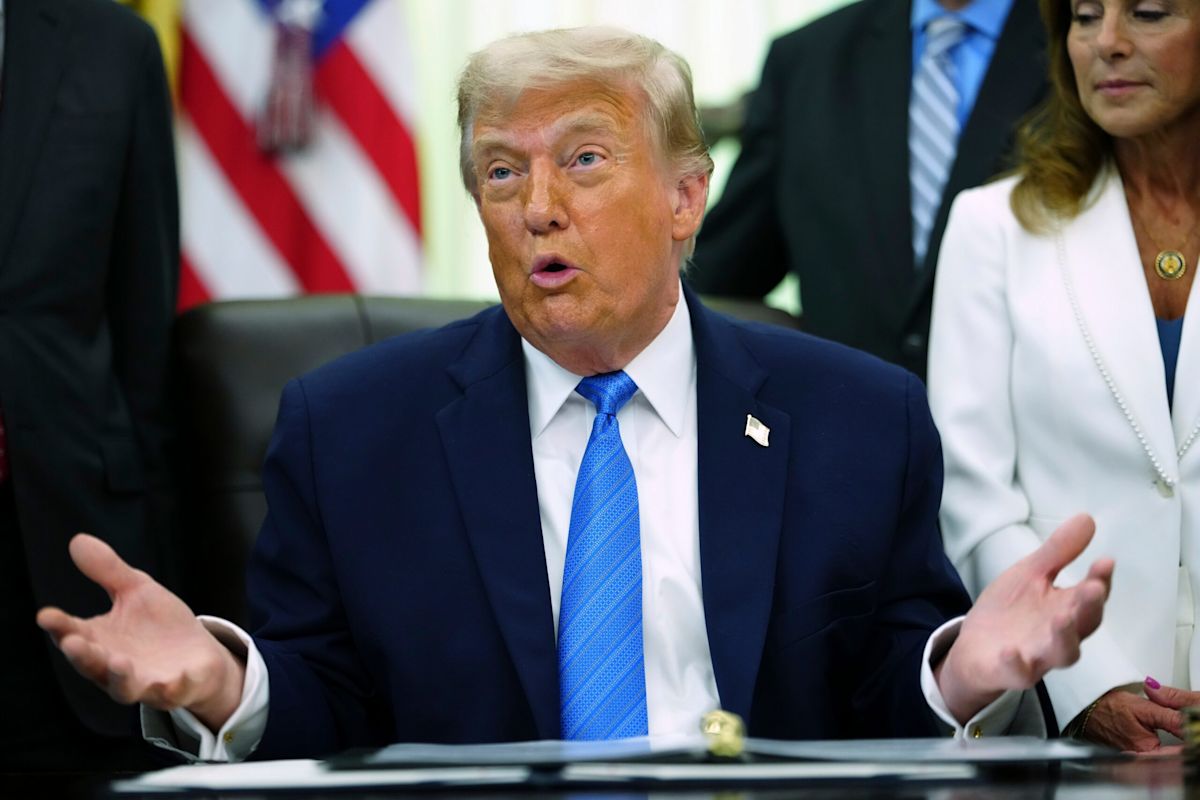
Tuesday’s ruling is not the first significant development in the case.
In October, a magistrate judge ruled in the BBC’s favor on a separate procedural issue, ordering Trump to sit for a deposition by December 11, unless the discovery deadline is extended beyond December 18.
The latest decision now allows the central defamation allegations to continue, setting up another important stage in the high-profile legal confrontation.
For Trump, the ruling represents an opportunity to pursue his claim over the documentary’s editing. For the BBC, the next challenge will be defending its editorial decisions as the proceedings move forward.
The ultimate outcome will depend on the evidence and legal arguments presented as the case continues.